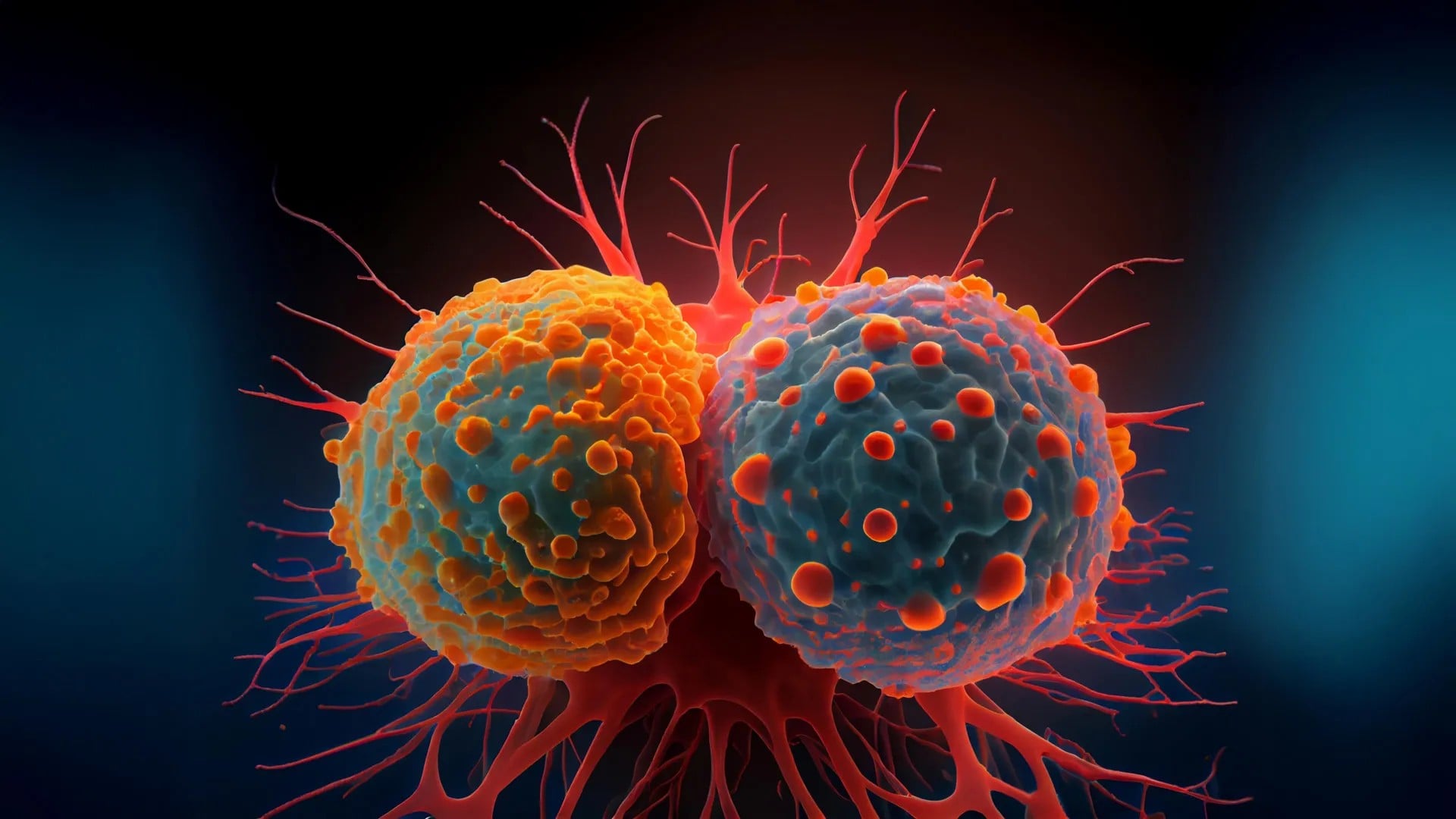
For decades, the relationship between vitamin A (retinol) and cancer has been a paradox. While lab tests suggest vitamin A can slow cancer growth, clinical trials have linked high intake to increased cancer risk and mortality. New research from the Ludwig Institute for Cancer Research at Princeton University now explains why: retinoic acid, a metabolite of vitamin A, actively suppresses the immune system’s ability to fight tumors. This discovery has led to the creation of the first experimental drugs designed to block this pathway, potentially revolutionizing cancer immunotherapy.
The Immune System’s Hidden Weakness
The study, published in Nature Immunology and iScience, reveals that retinoic acid produced by dendritic cells (DCs) – crucial immune cells responsible for activating defenses against cancer – reprograms these cells to tolerate tumors. Essentially, the body’s natural immune response is tricked into ignoring the threat. This significantly reduces the effectiveness of dendritic cell vaccines, a type of immunotherapy designed to train the immune system to recognize and attack cancer.
The researchers identified that when DCs are used in vaccine production, they begin producing high levels of retinoic acid. This suppresses their maturation and diminishes their ability to trigger an effective anti-tumor immune response. This explains why DC vaccines often underperform in clinical trials.
Breaking the Blockade: KyA33
To address this, the team developed a compound called KyA33 that blocks retinoic acid production in both cancer cells and DCs. In preclinical studies, KyA33 boosted the performance of DC vaccines in animal models and showed promise as a standalone cancer treatment.
The second study focused on creating drugs that entirely disable retinoid signaling, a pathway scientists have struggled to target for over a century. Combining computational modeling with large-scale drug screening, they finally succeeded in developing safe and selective inhibitors.
Why This Matters: A Long-Solved Puzzle
The retinoic acid pathway was the first nuclear receptor signaling pathway discovered, yet it remained stubbornly resistant to drug development until now. The researchers were able to explain why high vitamin A intake can increase cancer risk: tumors overexpress an enzyme (ALDH1a3) that generates retinoic acid, but become unresponsive to its potential anti-growth effects. Instead, the acid suppresses the immune environment around the tumor, protecting it from attack.
“Our study reveals the mechanistic basis for this paradox. We’ve shown that ALDH1a3 is overexpressed in diverse cancers to generate retinoic acid, but that cancer cells lose their responsiveness to retinoid receptor signaling, avoiding its potential anti-proliferative or differentiating effects.” – Mark Esposito
From Lab to Clinic: Kayothera
The findings have led to the launch of Kayothera, a biotechnology company founded by the study’s leaders, to advance these inhibitors into clinical testing. Their goal is to develop treatments for not only cancer, but also diseases influenced by retinoic acid, including diabetes and cardiovascular disease.
The research was supported by multiple foundations, including the Ludwig Institute for Cancer Research, the Susan Komen Foundation, and the American Cancer Society. This breakthrough offers a new approach to cancer immunotherapy by addressing a fundamental flaw in the body’s natural defenses.
In conclusion, vitamin A’s complex relationship with cancer is now clearer: while it may have some direct effects on cancer cells, its primary impact lies in manipulating the immune system. Blocking retinoic acid signaling could unlock a powerful new strategy for treating a wide range of diseases.