


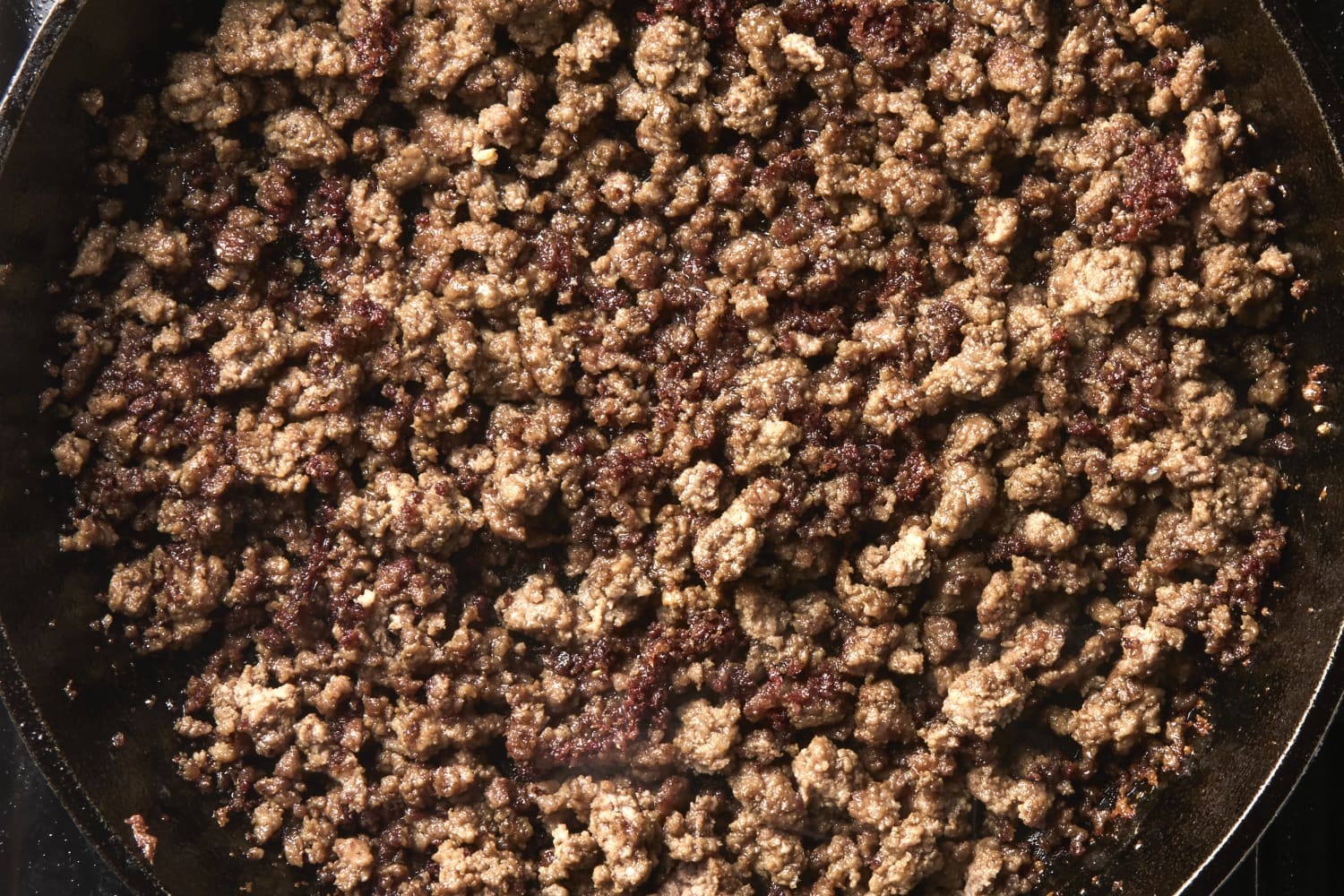
A professional butcher, Norm Nesby Jr. of the Good Meat Project, says only Whole Foods and Sprouts Farmers Market consistently sell ground beef worth buying. The key? Transparency, freshness, and knowledgeable staff.
Why Most Grocery Beef Falls Short
Nesby argues that the vast majority of supermarkets offer ground beef of questionable quality. Factory grinding, where the meat blend isn’t verifiable, is a major issue. Supermarkets often mix in cheaper, less flavorful cuts like leg meat instead of primarily using fatty chuck. This matters because fat content directly impacts taste and texture.
The problem isn’t just the cuts themselves: freshness is also critical. Ground beef degrades quickly, and factory grinding makes it harder to ensure recent packaging.
The Two Chains That Stand Out
Whole Foods and Sprouts distinguish themselves by hiring trained butchers who can answer questions about meat sourcing, grinding practices, and fat content. Customers should be able to ask:
- What ranches supply the beef? (Is it local?)
- Is the meat grass-fed or antibiotic-free?
- Is the grinding done in-house?
If the staff can’t answer these questions, Nesby warns it’s a “red flag.” Accountability is essential; without it, you’re left guessing.
Shopping Smarter at Any Store
For those without access to Whole Foods or Sprouts, Nesby recommends three rules:
- Always buy 80/20 ground beef. Higher fat content hides lower-quality cuts and delivers better flavor.
- Check the “packaged on” date. Recent dates indicate better freshness.
- Ask questions. Engage with the butcher, if one is available, to understand the product.
“If you can’t get answers, walk away.” – Norm Nesby Jr.
Ultimately, quality ground beef requires informed shopping. Knowing where the meat comes from, how it’s processed, and questioning the source are crucial steps.
In a world of mass-produced food, the butcher’s advice underscores the importance of transparency and accountability in the meat industry.


