


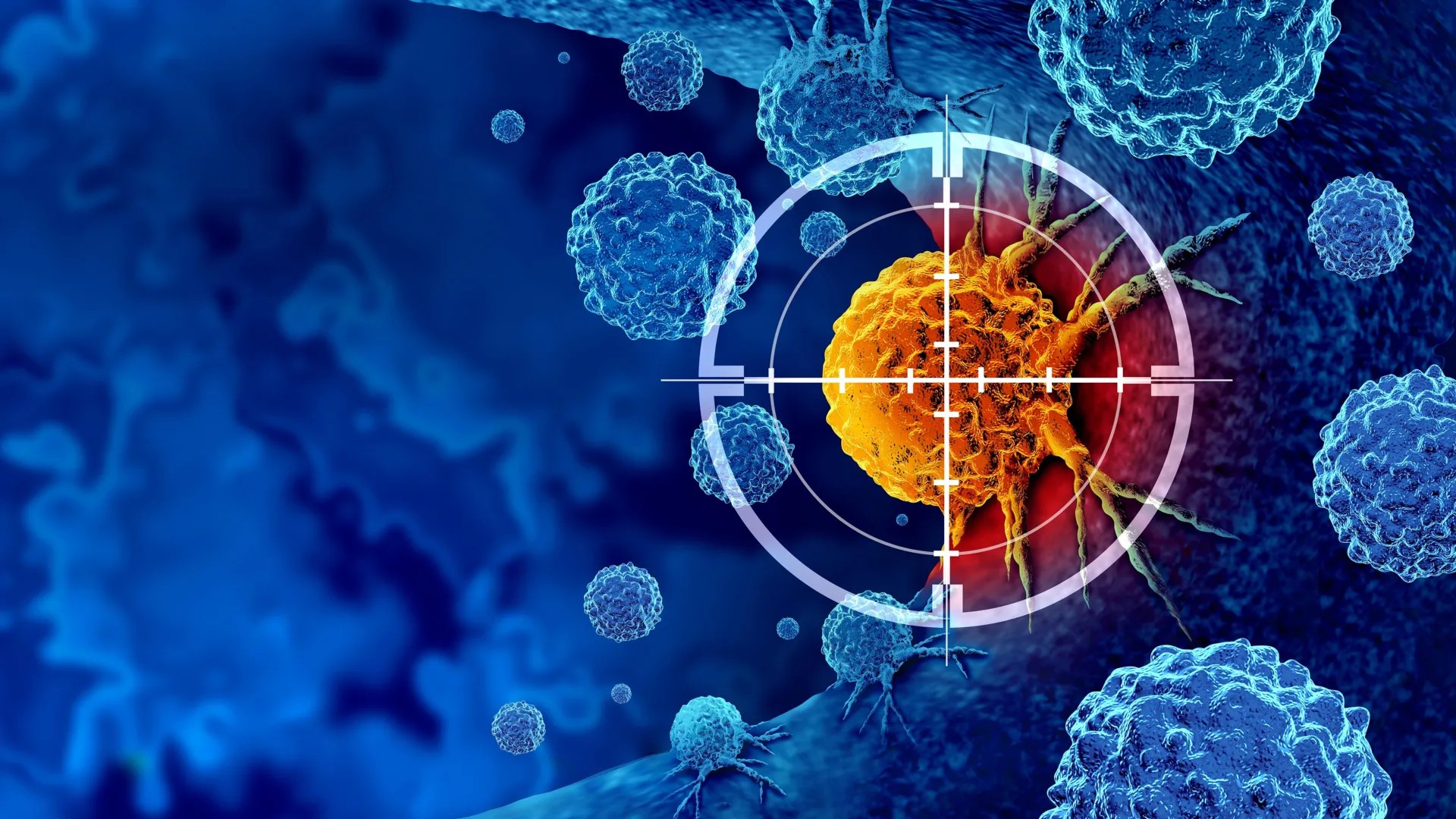
A new experimental antibody targeting the protein SFRP2 is showing encouraging results in preclinical studies against triple-negative breast cancer (TNBC), one of the most lethal forms of the disease. Researchers at MUSC Hollings Cancer Center have demonstrated that this antibody can slow tumor growth, reduce metastasis, and reactivate the immune system, even in cancers resistant to chemotherapy. The findings, published in Breast Cancer Research, suggest a potential new therapeutic avenue for patients with limited treatment options.
The Challenge of Triple-Negative Breast Cancer
TNBC is an aggressive subtype of breast cancer that lacks common receptors targeted by hormonal therapies, making it difficult to treat. It accounts for 10-20% of breast cancers but disproportionately affects younger women and carries a poorer prognosis. Current treatments often fail as tumors develop resistance, highlighting the urgent need for innovative strategies.
How the Antibody Works: Targeting SFRP2
The experimental antibody focuses on secreted frizzled-related protein 2 (SFRP2), a key protein that supports tumor growth in several ways. SFRP2 encourages blood vessel formation to feed tumors, prevents cancer cells from self-destructing, and suppresses the immune system’s ability to fight cancer. The antibody blocks SFRP2, effectively disrupting these survival mechanisms.
The research team, led by Dr. Nancy Klauber-DeMore, discovered SFRP2’s role in breast cancer nearly two decades ago, laying the groundwork for this breakthrough. Their work has revealed that SFRP2 is not only present in cancer cells but also on immune cells within the tumor microenvironment – particularly macrophages.
Reprogramming the Immune Response
Macrophages, immune cells that normally clear threats, can become corrupted in TNBC. The antibody treatment shifts macrophages from a tumor-supporting state (M2) to a cancer-fighting state (M1), releasing immune signals that stimulate a stronger anti-tumor response. This effect was observed even in advanced disease models, suggesting the antibody could restore immune function at later stages.
The antibody also reactivates exhausted T-cells, another crucial component of the immune system. TNBC often suppresses T-cell activity, but the antibody revived these cells, potentially improving the effectiveness of existing immunotherapies.
Precision Targeting and Overcoming Resistance
Unlike traditional chemotherapy, the antibody demonstrates high precision, accumulating in tumor tissue while sparing healthy cells. This targeted approach minimizes side effects, a significant advantage over conventional cancer treatments. Moreover, the antibody effectively killed cancer cells that had become resistant to doxorubicin, a common chemotherapy drug.
This ability to overcome resistance is particularly important because tumors often adapt and stop responding to existing treatments. The SFRP2 antibody may offer a solution for patients who have exhausted other options.
Next Steps: Clinical Trials and Beyond
The antibody has been licensed to Innova Therapeutics, a biotechnology company co-founded by Dr. Klauber-DeMore, which is actively seeking funding for human clinical trials. The FDA has also granted Rare Pediatric Disease and Orphan Disease designations, recognizing the potential of this therapy for osteosarcoma, another cancer linked to SFRP2.
These early results are promising, but further studies are critical. The antibody represents a new direction in cancer treatment, one that combines precision targeting with immune system reprogramming.
If successful in clinical trials, this therapy could offer patients with TNBC a much-needed new hope for more effective and less toxic treatment.


