
Ви берете до рук пінту ягід або пакет шпинату. Ви споліскує їх, але чи впевнені ви, що видалили все зайве з поверхні? Ми всі хочемо позбутися lingering пестицидів разом із садовою землею та випадковими комахами.
Соціальні мережі активно просувають певну тенденцію: ванни з харчовою содою, замочування у білому оцті, спеціальні спреї для миття фруктів та овочів. Чи це золотим стандартом? Чи ускладнюєте ви простий процес?
Ми спитали експертів. Їхні відповіді можуть вас здивувати.
Вам потрібна лише вода (і нічого більше)
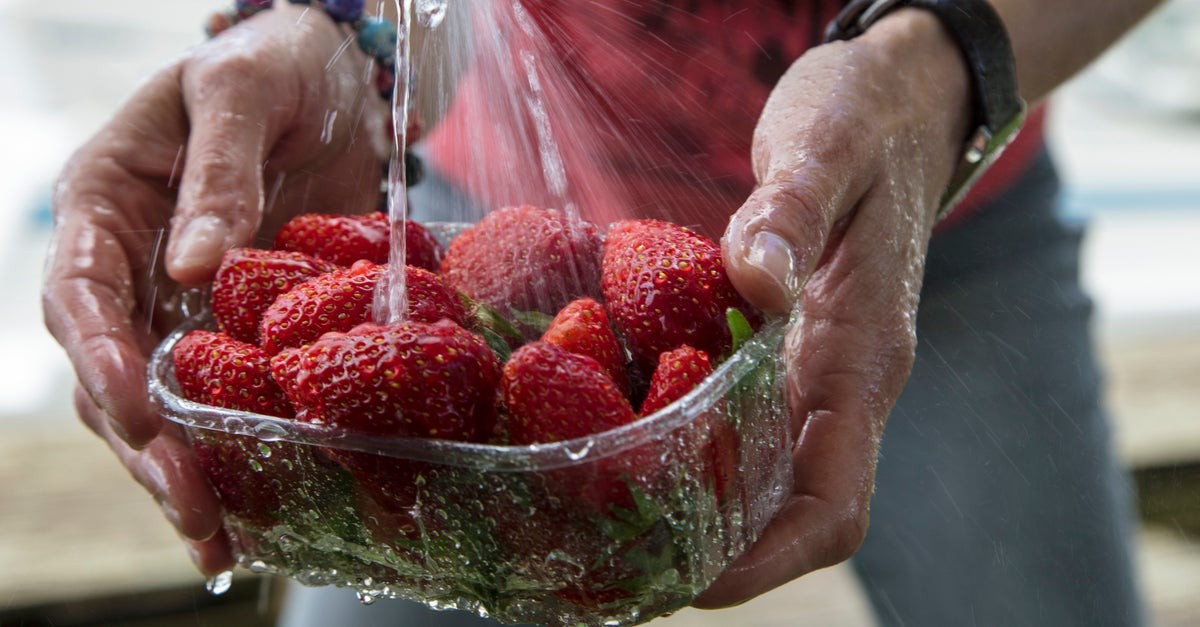
Ось гарна новина для вашого гаманця. Найефективніший спосіб очищення літніх фруктів та овочів також є найдешевшим. Звичайна проточна водопровідна вода.
Доктор Келлі Джонсон-Арбор, лікар-токсиколог із Національного центру з отруєнь, каже прямо: «Проста проточна водопровідна вода залишається найпростішим і найбезпечнішим методом».
Чому варто відмовитись від харчової соди? І CDC, і FDA рекомендують використовувати лише проточну воду. Вони застерігають від використання комерційних миючих засобів та оцту. Мета полягає у видаленні бактерій та слідів пестицидів, не вносячи нових змінних.
Чому варто перестати мити продукти милом
Це видається нелогічним. Мило чистить, правда?
Ні. Щодо продуктів харчування.
“Оскільки продукти харчування пористі, мило та миючі засоби можуть вбиратися”, – говорить Емма Лейнг, директор з дієтології в Університеті Го. Навіть при ретельному ополіскуванні ви в результаті ковтаєте засіб для миття. Це може спричинити хворобу.
FDA заявляє, що мило, миючі засоби та комерційні розчини не рекомендуються. Їхня безпека не була належним чином перевірена. Не ризикуйте, покладаючись на швидкість поглинання. Просто використовуйте воду.
Пастка замочування
Здається, що глибоке занурення овочів у таз із водою забезпечує найкраще чищення. Утримайтеся від цього бажання.
Замочування може фактично сприяти поширенню бактерій. Вода стає переносником. Забруднення переходить із одного предмета в інший. Джонсон-Арбор попереджає, що це метод призводить до вищого рівня забруднення, а чи не меншого.
І ваша раковина? Вона брудніша, ніж ви думаєте. Якщо дозволити митим продуктам торкатися чаші раковини, ви просто переміщаєте бруд із місця на місце. Не робіть цього.
Скраббінг змінює правила гри
Сама собою вода працює. Але тертя працює краще.
Кріс Янг, автор книг з садівництва та садівника з Каліфорнії, пропонує просте поліпшення. Купуйте чисту щітку для миття продуктів.
«Більшість людей пропускають етап тертя», — каже Янг. «Тертя, створюване тертям… допомагає видалити бруд, бактерії та деякі залишки пестицидів».
Вам потрібна щітка для найскладніших завдань. Дині. Цвітна капуста. Все, що має шорстку поверхню або глибокі складки. Тертя видаляє те, що не може змити воду.
Хоча тримайте цю щітку чистою. Брудна щітка є переносником бактерій та залишків забруднень. Часто обполіскуйте її.
Що щодо жорсткої шкірки?
Ми схильні ігнорувати кірку. Кавун. Диня. Кавун. Ми завжди зчищаємо її перед їжею.
Перегляньте свою думку.
«Навіть якщо ви не плануєте їсти шкірку певних продуктів, миття важливе», — пояснює Лейнг. Коли ви розрізаєте шкірку, ви переносите поверхневі бактерії та бруд у м’якоть. Неважливо, чи їсте ви шкірку чи ні. Ніж переміщає все усередину. Мийте продукт перед тим, як його нарізати.
Як поводитися з делікатними продуктами
Ягоди крихкі. Листова зелень потребує акуратності. Їм потрібний легший підхід.
Для ягід Янг радить ніжне ополіскування. Інтенсивне миття перетворює їх на кашу.
Для листової зелені поділяйте листя. Ополіскуйте кожен аркуш окремо. Переконайтеся, що кожний бік оброблено. Потрібно дістатися до тих місць під листям, де ховається бруд.
Обсушити їх. Використовуйте чисту паперову серветку. Волога зелень псується швидше та утримує більше бактерій. Сухість має значення.
Питання органічних продуктів
Якщо бюджет і доступність не є проблемою, органічні продукти — це прямий спосіб уникнути синтетичних пестицидів.
Річард ЛаМаріта, шеф-кухар та викладач Інституту кулінарного мистецтва, погоджується: «З органікою ви можете бути впевнені, що на ваших продуктах немає штучних пестицидів».
Керівництво USDA дозволяє використовувати тільки природно occurring або рослинні пестициди для сертифікованих органічних продуктів. Винятки становлять лише деякі випадки.
Але навіть органічні продукти слід мити. Вони не захищені від бруду та природних бактерій з ферми. Мийте та чистіть щіткою свої органічні покупки так само ретельно. Йдеться не лише про уникнення хімікатів, а й про загальну гігієну.
Підсумок
Вам не потрібні складні суміші. Вам не потрібна харчова сода.
Проточна вода + тертя + відмінна гігієна.
Все.
Ризики, пов’язані з пестицидами, є реальними. Неврологічні ушкодження. Хронічні захворювання. Порушення роботи ендокринної системи. Дози часто бувають малесенькими, але довгострокові ефекти можуть бути невідомі. Уникати їх — здоровий глузд.
Але не дозволяйте страху змусити вас використовувати небезпечні засоби для чищення. Дотримуйтесь основ. Мийте руки. Очищайте раковину. Тріть дині.
Чи достатньо водопровідної води? Для більшості людей – так.
Для інших лише органіка — єдиний спосіб відчувати себе у безпеці. Це також нормально. Купуйте те, що можете собі дозволити. Їжте продукти. Але завжди мийте їх перед цим. Бруд реальний. Хімікати можуть ховатися. Щітка коштує недорого, а користь здоров’ю безцінна.
Ідіть і купіть трохи шпинату. Потріть його. З’їжте.