Shrimp are America’s favorite seafood. We eat about six pounds of them per person annually, according to the National Fisheries Institute. You can sear them with garlic, poach them gently, or deep-fry them into crispy bites. But the seafood counter is a maze. The labels are confusing. “Large”? “Jumbo”? “Colossal”? And then there are the numbers. 26/30. U/12.
Why does this matter? Because size dictates texture. It dictates cooking time. Buy small shrimp for scampi, and you get overcooked rubber curls. Buy huge shrimp for shrimp salad, and the dish is unbalanced.
The trick to buying the right size shrimp every time is ignoring the words and reading the numbers.
Why Numbers Trump Adjectives in Shrimp Sizing
Shrimp packaging uses relative adjectives. A “Jumbo” shrimp in the Gulf states might be 10 to 15 count per pound. On the West Coast, that same count is “Extra-Large.” In some international markets, local grading systems apply. These terms are unregulated. They vary by region, by retailer, and by mood.
Maricel Gentile, a chef and owner in East Brunswick, NJ, calls count per pound the most reliable guide. Ian MacGregor, CEO of The Lobster Place in NYC, is blunt: A retailer may call a 16/20 “Jumbo” just because it’s the biggest item on the shelf. Everything is relative.
Ignore the marketing. Look at the count.
How to Decode Shrimp Size Labels
The industry standard is simple. It’s the number of pieces in one pound.
High numbers mean small shrimp.
Low numbers mean big shrimp.
A bag marked 51/60 has 51 to 60 shrimp in a pound. Each is a few bites. Go to 61/70 or 71+, and you are in the extra-small range. These are tiny.
When you see a “U” on the bag, it means “under.”
A package marked U/15 contains fewer than 15 shrimp per pound. That is a large, meaty shrimp.
This system works because it is math. Not marketing. Professional chefs use counts to predict texture. Words fail. Numbers do not.
Shrimp Size Breakdown by Count Per Pound
Extra-Small and Small: 41/50 to 61/70+
These shrimp have the highest counts. They are the smallest bodies. They are best when shrimp isn’t the star. Use them in fillings. Salads. Omelets. Dumplings.
Nick Grosenbach, regional chef at Ocean Prime, says these work well where shrimp is one component among many. You’ll often see these in popcorn shrimp baskets. Or poached and marinated as bite-sized flavor boosters.
They cook lightning-fast. Do not overcook them or they turn rubbery.
Stick to stir-fries, brief poaching, or quick frying.
Medium: 36/40 to 41/50
The medium size is fuzzy. Some stores call 41/50 small. Others call it medium. Grosenbach thinks they lean smaller. But they are practical. A pound of 36/40 serves four people. That is 10 shrimp each.
Good for shrimp cocktail. Spicy pasta sauces. Fried rice. They soak up flavor quickly.
Think of medium shrimp as workhorses. Small enough to batch-cook. Meaty enough to stand alone.
High heat keeps them juicy. Marinate them. Pickle them. Toss them in a wok.
Large: 26/30 to 31/35
Drop below 35 count. You enter the “large” zone. Some stores stretch this to include 16/20 shrimp. At this size, the meat handles higher heat. It tolerates longer cooking without turning tough.
Ideal for kebabs. Pasta dishes. Stir-fries. Grosenbach notes they cook quickly. For grilling, plan on five or six per person as the main protein.
Large shrimp are the reliable, all-purpose choice. Adaptable. Satisfying.
They have a meaty bite. They handle sautéing. They stand up to the grill.
Jumbo: 16/20 to 21/25
Here, shrimp become indulgent. You’ll see “jumbo,” “extra-large,” “colossal” on the label. The count matters. For four people, a 21/30 bag gives about four to five shrimp each. A 16/20 bag gives three or four. But those three or four are big.
Grosenbach says restaurants use these for shrimp cocktail. Poached gently, they stay plump. The texture is nearly lobster-like. They hold up to high-heat cooking.
Toss 16/20 shrimp in a screaming-hot skillet.
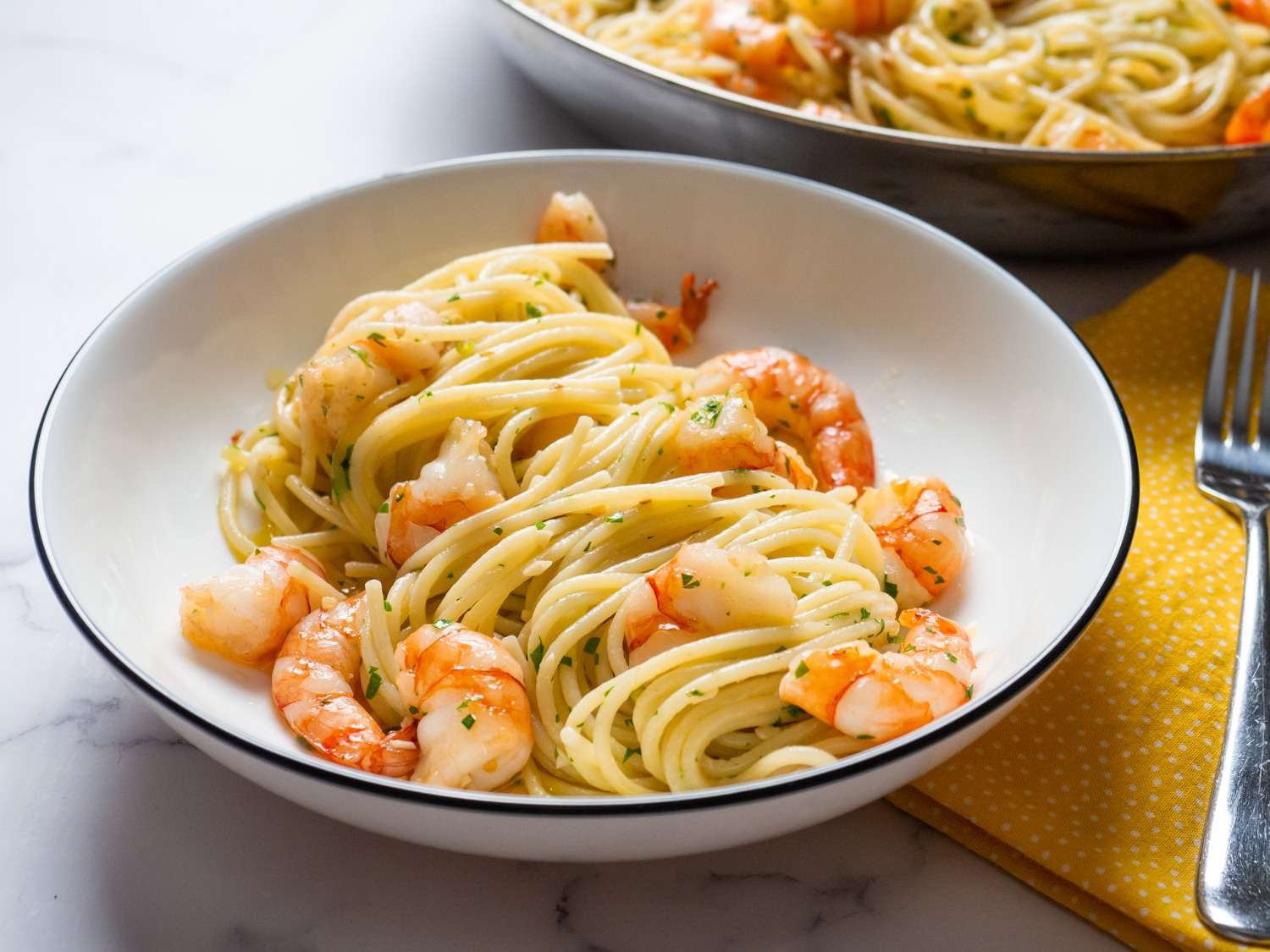
Garlic and butter. A caramelized crust forms. The interior stays juicy. Good for skewers. Scampi. Open-flame grilling.
Colossal: U/10, U/12 to U/15
At the top of the spectrum, shrimp blur into lobster tails. Colossal means “under.” U/15 is fewer than 15 per pound. U/10 is fewer than 10.
If you buy a pound of U/12 shrimp for four people, you get two or three per person. Each weighs two ounces or more.
These are showpieces. Treat them like a centerpiece. Split and stuff them. Butterfly and broil. Grill whole for drama. They withstand intense heat. The texture is steak-like.
Colossal shrimp are a statement piece. Closer to lobster than to popcorn shrimp.
Beyond Size: Farm, Wild, and Freshness
Size isn’t everything. Other factors change the game.
Farmed vs. Wild
Farmed shrimp dominate US markets. They are uniform in size. Wild shrimp vary more. Ian MacGregor says the really big ones tend to be wild-caused. Wild shrimp often have a nuttier, meatier flavor. Some people pay more for Gulf wild shrimp. They say it is worth it.
Fresh vs. Frozen
Most shrimp labeled “fresh” in US stores are not fresh. They were frozen at sea or near the farm. Then thawed for display. Wild-caught shrimp are usually frozen at sea immediately after harvest. Farmed shrimp are frozen close to processing.
Frozen bags are often better. They were frozen right after harvest. The “fresh” shrimp in the deli case may have been thawed for days. Ask for the count per pound if buying from the counter. It might not be listed on frozen bags.
Species Matters
White, pink, brown, tiger, rock. These are common US species. Brown, rock, and pink are smaller. White and tiger grow larger. MacGregor explains that farm-raised white shrimp are rarely larger than U/15. Farm-raised black tiger shrimp reach U/12. Economics get harder as they grow. The really big shrimp are wild-caught.
Sustainability
Look for labels. Marine Stewardship Council (MSC). Aquaculture Stewardship Council (ASC). Naturland. Many grocers require some standard. Check it. Sustainability applies to both farmed and wild.
The Bottom Line
Words like jumbo are ill-defined. They don’t help you predict cooking. Count per pound does.
High numbers (41/50 to 71+) mean small shrimp. Good for fillings. Fast cooking.
Medium numbers (36/40) are versatile.
Large numbers (26/35) handle heat.
Low numbers (16/25) are indulgent.
U-numbers (U/10 to U/15) are massive. Showpieces.
Ignore the adjectives. Learn the counts. Match the size to your method. You’ll stop eating rubber. You’ll start eating real shrimp.
It’s not magic. It’s just math. And a little bit of knowing when to let the shrimp take center stage versus when they should just be part of the chorus. Maybe you’ll try a colossal shrimp next time. Grilled. Buttered. Sitting heavy on the plate. Or maybe you’ll stick to the 51/60s for a quick stir-fry. Either way, check the label. The answer is there.