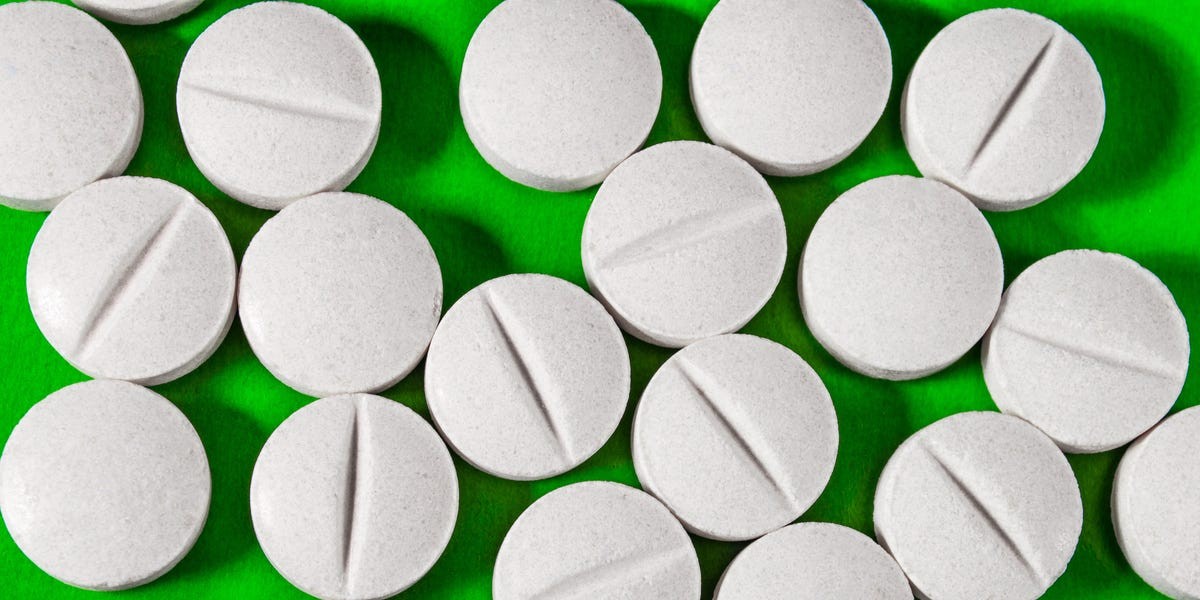
For decades, the “baby aspirin” was a staple in the medicine cabinets of millions of older adults. The logic was simple: low-dose aspirin makes blood platelets less sticky, theoretically preventing the arterial blockages that trigger heart attacks and strokes.
However, recent data reveals a massive shift in medical practice. According to research from Epic Research, the use of low-dose aspirin for cardiovascular prevention has plummeted by approximately 57% since 2018, dropping from a usage rate of 7.2% to just 3.2%.
The Data Behind the Decline
The shift is not merely anecdotal; it is backed by a massive analysis of electronic health records. Researchers examined 279 million primary care visits occurring between 2015 and 2025 among adults aged 40 and older.
To ensure the data focused specifically on preventative use, the study excluded patients who were already prescribed aspirin for existing conditions, such as:
– Prior strokes
– Established coronary artery disease
– Peripheral artery disease
The findings showed a steady, significant decline in aspirin prescriptions for primary prevention, signaling a fundamental change in how doctors and patients approach heart health.
Why the Medical Consensus Changed
The decline in aspirin use is the direct result of evolving clinical guidelines. Medical organizations have moved away from universal recommendations because the “risk-to-reward” ratio has been re-evaluated.
1. The Risk of Bleeding
While aspirin can prevent clots, it also thins the blood, which significantly increases the risk of internal bleeding and gastrointestinal issues. Recent studies suggested that for many people, the danger of bleeding outweighed the potential heart-protective benefits.
2. Weakening Evidence
As Dr. Jim Liu of The Ohio State University Wexner Medical Center notes, previous studies showing a benefit from aspirin were often inconsistent or lacked sufficient strength. This led to a series of downgrades in official guidance:
* 2019: The American College of Cardiology (ACC) and the American Heart Association (AHA) advised against using aspirin for primary prevention (preventing a first event), suggesting it only for specific high-risk adults aged 40–70.
* 2022: The U.S. Preventive Services Task Force (USPSTF) went further, recommending that adults aged 60 and older avoid starting a daily aspirin regimen altogether.
3. Better Alternatives Exist
Modern medicine has become much more effective at managing the actual root causes of heart disease. Dr. Corey Bradley of New York-Presbyterian/Columbia University Irving Medical Center points out that advances in treating high cholesterol and high blood pressure have proven to be both more effective and safer than relying on aspirin.
Who Should Still Take Aspirin?
Despite the general decline, aspirin remains a vital tool for specific groups. Medical experts emphasize that “one size does not fit all.”
Current clinical consensus suggests aspirin is most beneficial for:
* Secondary Prevention: Individuals who have already experienced a heart attack, stroke, or have had a stent placed.
* High-Risk Profiles: Patients with moderate to severe atherosclerosis (the buildup of plaque in artery walls).
“It comes down to individual risk counseling,” says Dr. Kevin Shah of MemorialCare. Doctors must now weigh a patient’s specific cardiovascular risk against their personal risk of bleeding.
Conclusion
The era of routine, universal aspirin use is ending as medical science prioritizes more targeted, safer interventions like blood pressure and cholesterol management. Patients should not stop or start any medication based on general trends, but rather consult their healthcare provider to determine their specific risk profile.