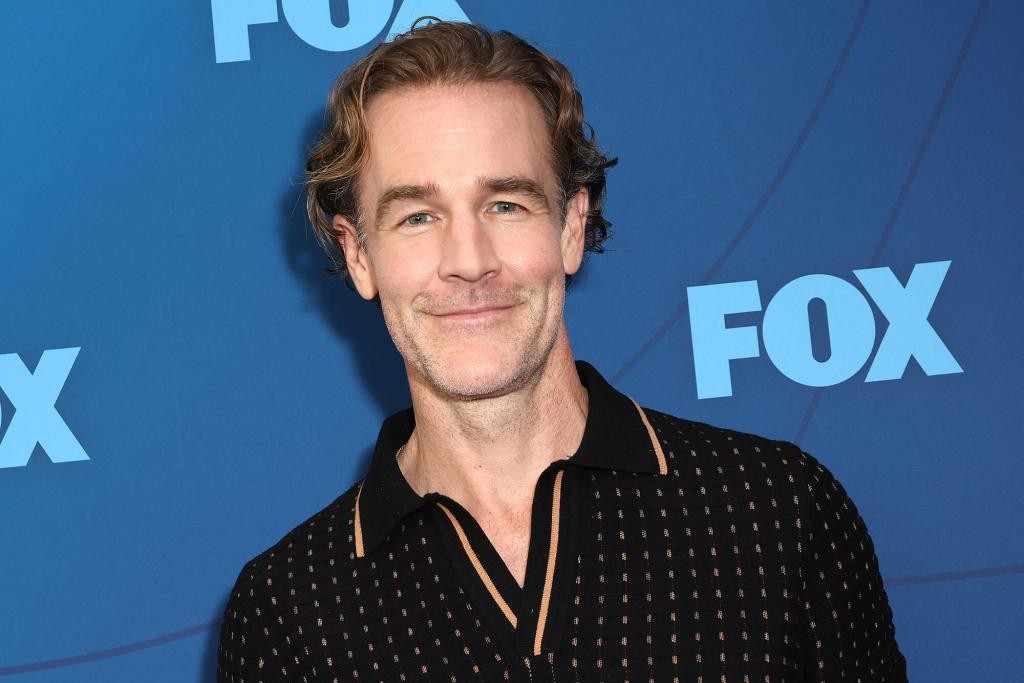
James Van Der Beek, the actor best known for his role in Dawson’s Creek, faced significant financial difficulties years before his death from colorectal cancer in February 2024. While his career appeared stable, tax records reveal a substantial six-figure debt that lingered from 2017 until early 2022.
Mounting Tax Debt
According to legal documents obtained by TMZ, Van Der Beek and his wife, Kimberly, accumulated $269,328.62 in unpaid federal taxes. The debt stemmed from filings in 2017 ($95,438.31) and 2019 ($173,890.31), leading to a tax lien placed against them in November 2021. The lien was eventually lifted in April 2022 after the full amount was paid. This situation highlights the precarious financial position many actors face, even those with recognizable names.
Career Trajectory and Financial Realities
Van Der Beek’s career had varied success after his breakthrough role in Dawson’s Creek. While he worked steadily in television (CSI: Cyber ) and voice acting (Vampirina ), his later roles did not achieve the same level of financial stability as his early work. The actor’s participation in Dancing With the Stars in 2023 was likely driven by financial need, offering a lucrative opportunity when other steady income streams were scarce.
Posthumous Support and Ongoing Costs
Following Van Der Beek’s death, his family launched a GoFundMe campaign to support Kimberly and their six children. As of February 17, the campaign has raised over $2.679 million, and friends also provided the down payment on the family’s $4.76 million Austin ranch. However, the substantial medical debt incurred during his cancer treatment remains a significant burden. The actor had previously sold off memorabilia from Dawson’s Creek and Varsity Blues in December 2025 to offset treatment costs.
Contractual Limitations
Van Der Beek himself acknowledged in a 2012 interview with Today that his initial contract with Dawson’s Creek did not provide long-term financial security. He stated, “There was no residual money… I was 20. It was a bad contract. I saw almost nothing from that.” This early contractual misstep illustrates how even successful roles can fail to translate into lasting financial stability for performers.
The combination of tax issues, fluctuating career income, and high medical costs underscores the economic vulnerabilities faced by actors and entertainers. Despite public recognition, Van Der Beek’s financial struggles reveal that career success does not always guarantee long-term financial security.