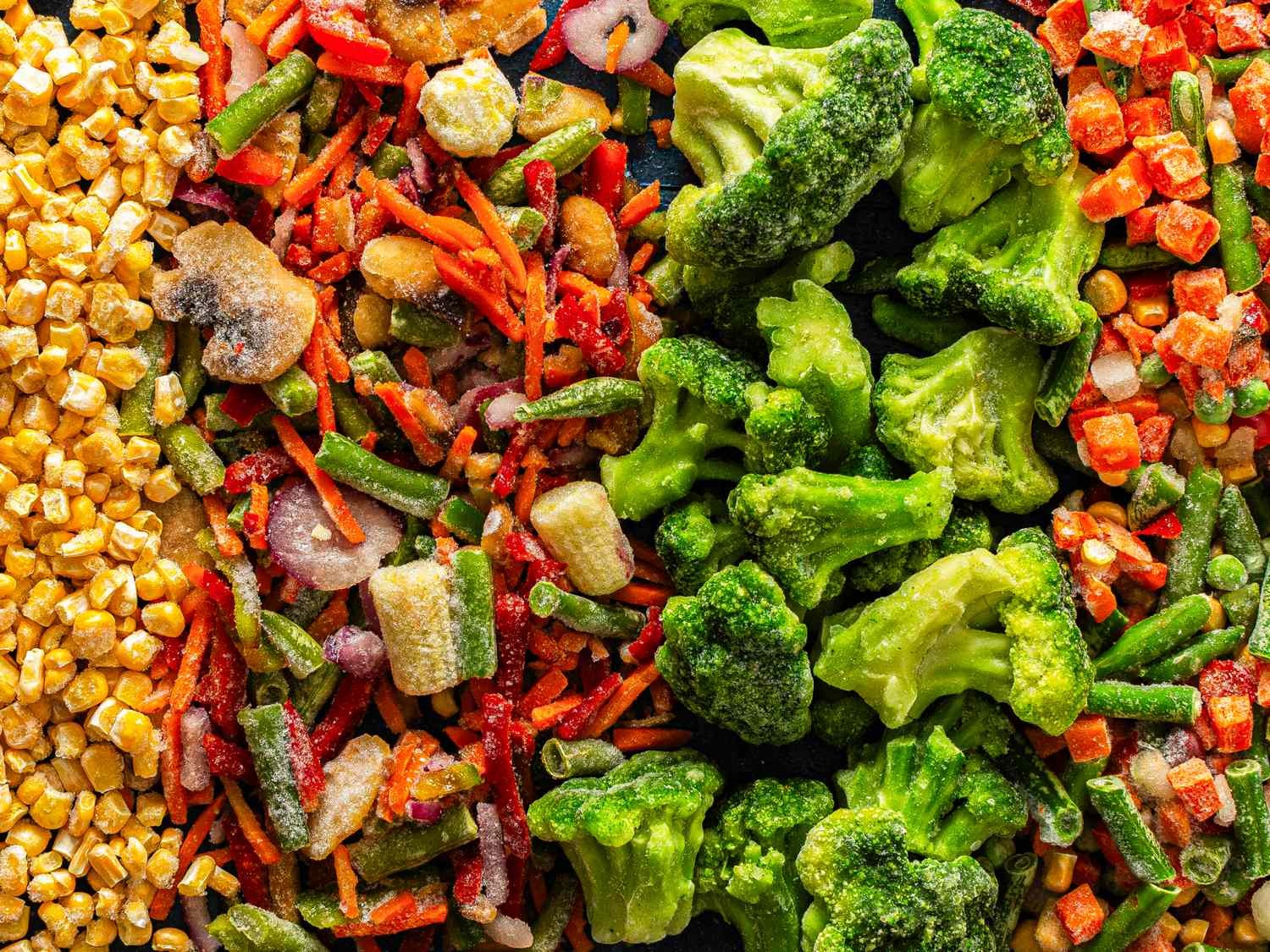
Many shoppers assume fresh produce is always superior. However, for certain vegetables, frozen is not just as good—it’s often better . The key lies in how quickly produce degrades after harvest and how freezing preserves peak flavor. This is especially true for vegetables like peas and corn, where sweetness is fleeting.
The Science of Sweetness: Why Freezing Works
Once picked, vegetables like peas and corn rapidly convert sugars into starches. This means a day-old pea is already less sweet and a bit tougher than one harvested just hours before. The modern frozen food industry capitalizes on this by flash-freezing vegetables at peak ripeness.
The process involves blanching (briefly boiling) to reduce surface microorganisms, then rapidly freezing to lock in sugars and prevent starch conversion. Unlike slow home freezing, industrial freezers create tiny ice crystals that minimize cell damage—resulting in a more tender, flavorful product when thawed. Slow freezing leads to larger crystals that rupture cell walls, resulting in mushy, waterlogged vegetables.
Which Vegetables Benefit Most From Freezing?
Not all produce is created equal. Some frozen options rival fresh in taste and convenience:
- Peas: Fresh peas have a tiny season, are tedious to shell, and lose sweetness quickly. Frozen peas are picked at their peak, shelled for you, and retain more flavor than out-of-season fresh peas.
- Corn: Fresh corn is unbeatable in summer, but frozen corn is a reliable, sweet alternative when fresh is subpar. It also saves the hassle of shucking.
- Spinach, Broccoli, and Green Beans: These can save you from wilted, browning produce at the back of your fridge. Frozen versions work well in stir-fries, soups, and dips.
The Right Way to Cook Frozen Vegetables
The biggest mistake? Thawing. Frozen vegetables have already been damaged by ice crystals, and thawing releases all that liquid at once, making them mushy. Cook them directly from frozen; whether steamed, sautéed, or added to soups, the result is better texture and more concentrated flavor.
“The myth that fresh is always best doesn’t hold up for many vegetables. Frozen can be superior when you consider peak ripeness, proper freezing techniques, and convenience.”
In short, don’t dismiss frozen produce. It’s not just a fallback—it’s often the smarter choice for maximizing flavor and minimizing waste.