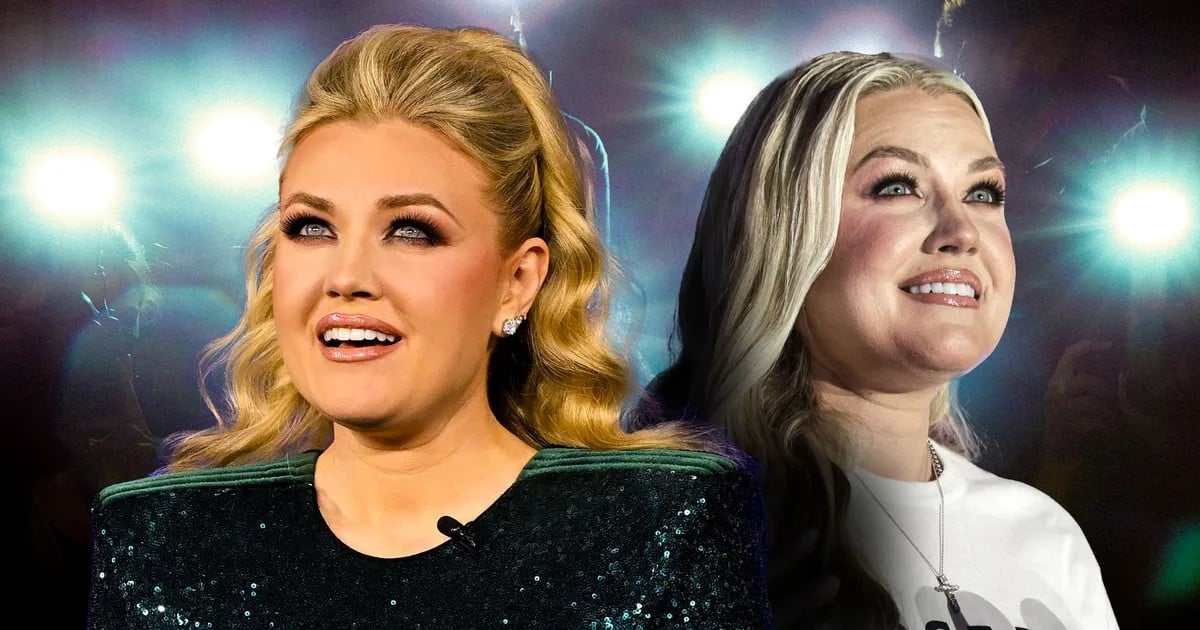
The sudden death of Turning Point USA founder Charlie Kirk left a void, with his wife, Erika Kirk, stepping into the CEO role. While some predicted she would galvanize young conservative women, experts and data suggest this is unlikely. The core issue: her messaging sharply clashes with Gen Z women’s priorities, particularly regarding career, marriage, and financial independence.
The Misguided Assumption
After Charlie Kirk’s death, Turning Point USA’s COO, Tyler Bowyer, boldly claimed Erika Kirk would “convert the young women” just as her husband did with young men. This prediction gained traction, with some media outlets speculating that she could bridge the gender gap within the conservative movement. However, this assumption overlooks fundamental differences in what drives Gen Z women politically and personally.
Generational Priorities: A Stark Divide
Data reveals a growing political gender divide among young voters. In the 2024 election, women ages 18-29 overwhelmingly favored Kamala Harris over Trump by an 18-point margin, while young men swung heavily in Trump’s direction by 14 points. This disparity highlights how differently the two groups perceive political issues.
What matters to Gen Z women is not what worked for their male counterparts. Charlie Kirk’s appeal rested on “shock appeal” – a blunt, unfiltered approach that resonated with young men seeking validation. But Gen Z women prioritize financial stability, independence, and career fulfillment, ranking marriage and children lower on their list of successes.
The Reality of Gen Z Women’s Values
Recent surveys show that only 13% of Gen Z women want to marry to avoid loneliness, compared to 23% of men. A staggering 56% of women who don’t want to marry cite a desire for independence, while 24% oppose combining finances.
Even within Turning Point’s target demographic, priorities differ dramatically. Gen Z men who voted for Trump ranked having children as their top success metric, while women ranked it sixth out of thirteen options. Financial independence was the top priority for female Trump voters, contrasting with men’s focus on marriage and family.
Erika Kirk’s Out-of-Touch Messaging
Erika Kirk’s pronouncements reinforce outdated gender roles. She has openly advocated for women to be “helpmates” to their husbands, prioritizing domesticity over career ambitions. This clashes with Gen Z women who seek financial freedom and self-reliance.
Her recent confusion over the election of New York Mayor-elect Zohran Mamdani, a Democrat who ran on affordability, further illustrates her disconnect. She questioned why young women would seek government support instead of relying on a husband, revealing her belief in traditional patriarchal structures.
Authenticity and Hypocrisy
Gen Z places immense value on authenticity. Erika Kirk’s past lectures on women being “helpmates” juxtaposed with her own career as a businesswoman, podcast host, and entrepreneur create a glaring hypocrisy. She married at 32, despite advising against marriage after 30.
Experts argue that Gen Z wants leaders who can speak to their experiences and understand their priorities. Erika Kirk’s messaging fails to resonate because it ignores the realities of young women’s lives and aspirations.
The Bottom Line
Erika Kirk’s leadership at Turning Point USA is unlikely to bring a massive shift in young women’s political engagement. Her outdated views on marriage, careers, and financial independence clash with Gen Z’s values. Authenticity matters to this generation, and her hypocrisy undermines her credibility. The idea that she will “convert” young women is a misguided assumption that ignores the fundamental differences in what drives them politically and personally.