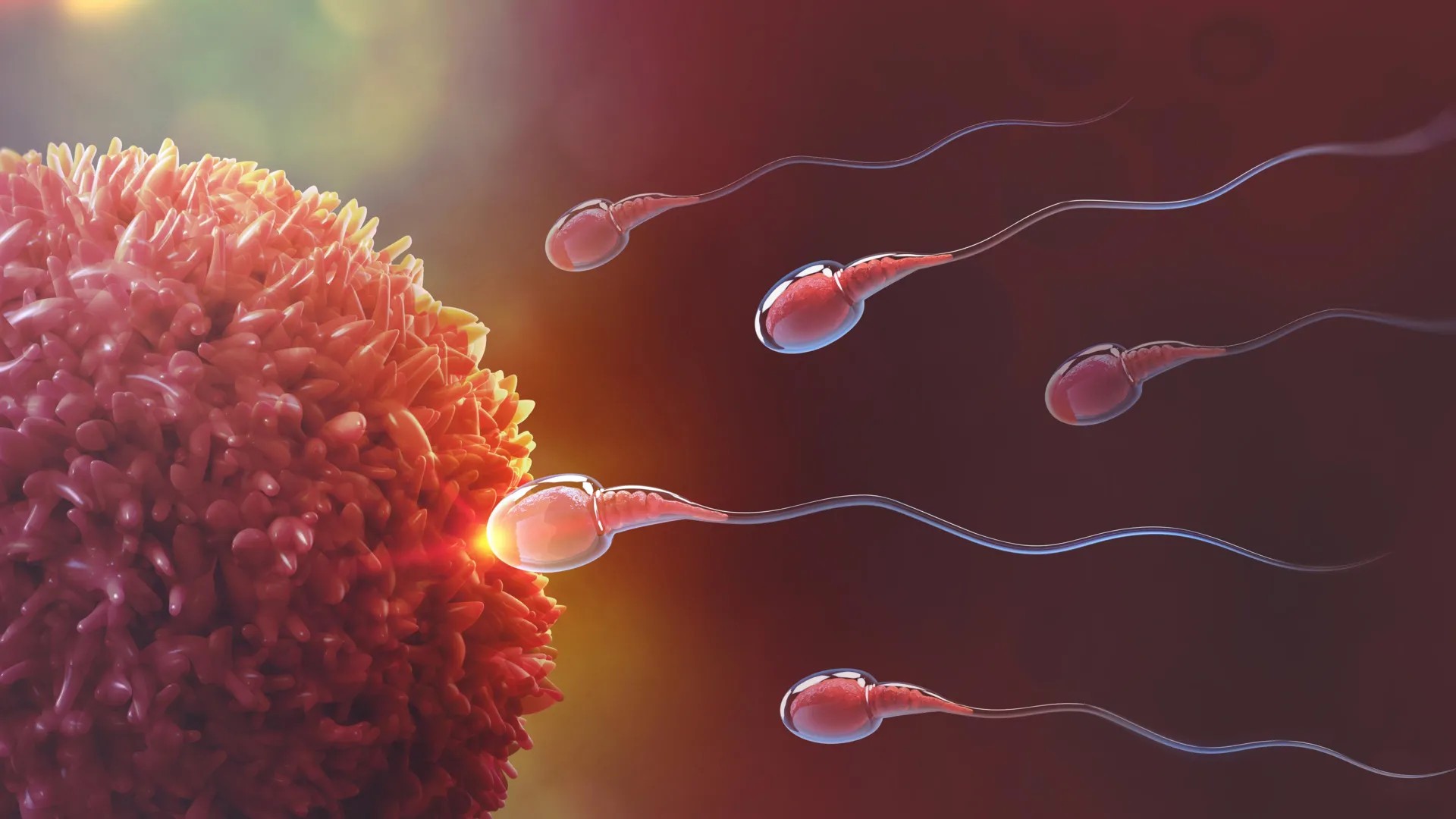
New research has identified the precise metabolic processes sperm use to surge into action, potentially opening doors to a revolutionary approach to male contraception. For decades, the development of effective male birth control has lagged behind female options. Most existing strategies focus on suppressing sperm production, which has drawbacks – it isn’t on-demand, and hormonal approaches carry side effects. This study suggests a different path: temporarily disabling sperm function without hormonal intervention.
How Sperm Fuel Fertilization
Sperm cells exist in a low-energy state until the moment of ejaculation. Once released, they undergo a rapid transformation, boosting energy production to swim forcefully and penetrate the egg. Scientists have long known that this happens, but how remained unclear. Melanie Balbach, lead researcher at Michigan State University, and her team have now mapped the metabolic pathways sperm use to process glucose – the sugar they absorb as fuel.
“Sperm metabolism is special since it’s only focused on generating more energy to achieve a single goal: fertilization,” Balbach explained.
The team developed a method to track glucose inside sperm cells, revealing critical differences between inactive and activated states. This approach allowed them to pinpoint the specific enzymes involved in converting glucose into usable energy, including the key role of aldolase. The process isn’t just about external fuel; sperm also rely on internal energy reserves when the journey begins.
The Potential for Nonhormonal Contraception
Balbach’s earlier work showed that blocking a specific sperm enzyme could induce temporary infertility in mice, hinting at a nonhormonal solution. Now, the new research identifies precise “traffic control” enzymes that regulate glucose flow through metabolic pathways. Targeting these enzymes with an inhibitor could temporarily disable sperm function on demand, offering a reversible and potentially side-effect-free contraceptive option.
This approach is particularly significant because:
- Current hormonal methods for men often cause side effects.
- Many pregnancies are unplanned. Providing men with additional control over their fertility could reduce this number.
- It could offer women an alternative to hormone-based birth control, which carries its own risks.
Beyond Contraception: Implications for Infertility
The study’s impact extends beyond contraception. Infertility affects roughly 1 in 6 people worldwide. A deeper understanding of sperm metabolism could lead to improved diagnostic tools and better assisted reproductive technologies. Balbach’s team is now exploring how sperm utilize different fuel sources, like glucose and fructose, to refine these findings.
The next step is to translate these discoveries to human sperm. This research, published in the Proceedings of the National Academy of Sciences, represents a major step toward a new era of reproductive health, offering both innovative contraceptive options and improved treatments for infertility.