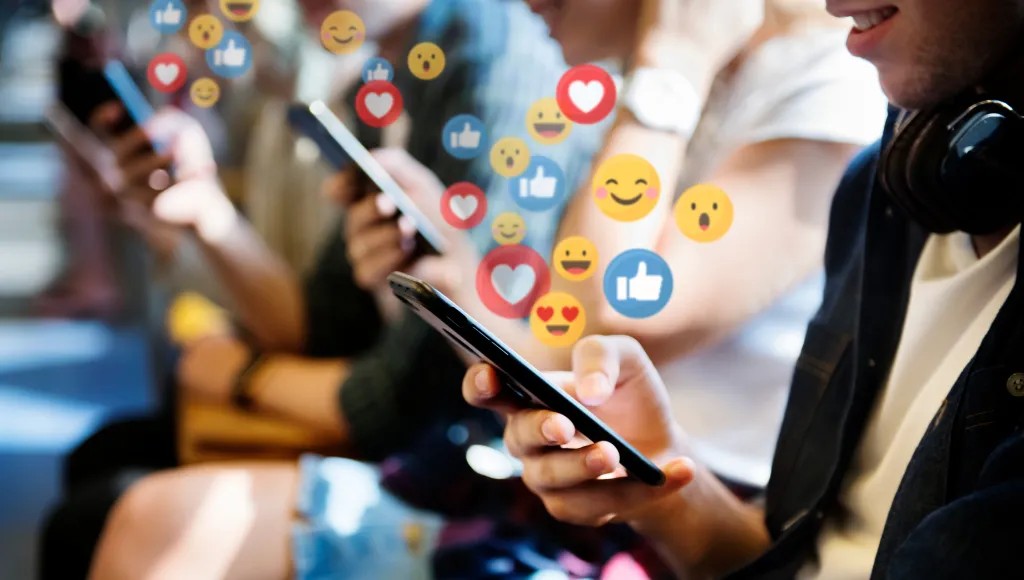
A growing number of countries are actively considering or implementing bans on social media for teenagers, while the United States remains largely on the sidelines despite mounting evidence of harm. The movement is gaining momentum as concerns rise over addiction, mental health impacts, and the exploitation of young users by tech giants.
International Action: From Bans to Regulations
Australia is currently the only nation with a full ban in effect, prohibiting social media access for anyone under 16. However, the trend extends far beyond this:
- Europe: The European Parliament has urged member states to establish minimum age requirements (under 16) for social media and AI chatbots, leaving implementation to individual countries.
- France: The National Assembly recently passed a bill that could ban social media for children under 15 if the Senate approves it.
- Spain & Greece: Both countries are proposing similar bans, targeting users under 16 (Spain) and 15 (Greece).
- Turkey, Germany, UK, India: These nations are also weighing restrictions, with India recently imposing strict three-hour deadlines for platforms to remove illegal content.
- Eastern Europe: Denmark, Norway, Slovenia, and even the Czech Republic have signaled support for bans on under-15s. Malaysia is also considering a ban for those under 16.
The US Approach: State-Level Patchwork
The United States stands out as a major outlier, lacking a federal ban. While several states – including Arkansas, Ohio, Florida, and Nebraska – have enacted their own restrictions, these laws are facing legal challenges. This fragmented approach contrasts sharply with the more decisive action being taken elsewhere.
The Science Behind the Bans
The growing pressure for bans is fueled by robust research linking adolescent social media use to declining mental health. A recent study from the University of California reinforces this connection, finding that problematic screen use (defined by uncontrollable behavior and withdrawal symptoms) has a stronger correlation with mental health issues than previously understood. This makes it clear why many governments are moving quickly to protect young people.
The absence of similar action in the US raises questions about whether political and economic interests are outweighing public health concerns. The ongoing legal battles against Meta and YouTube underscore the difficulty of holding tech companies accountable in the US system, while other nations are opting for more direct regulatory solutions.
Ultimately, the global trend suggests that social media’s impact on teen mental health is reaching a breaking point, forcing governments to choose between inaction and decisive intervention.