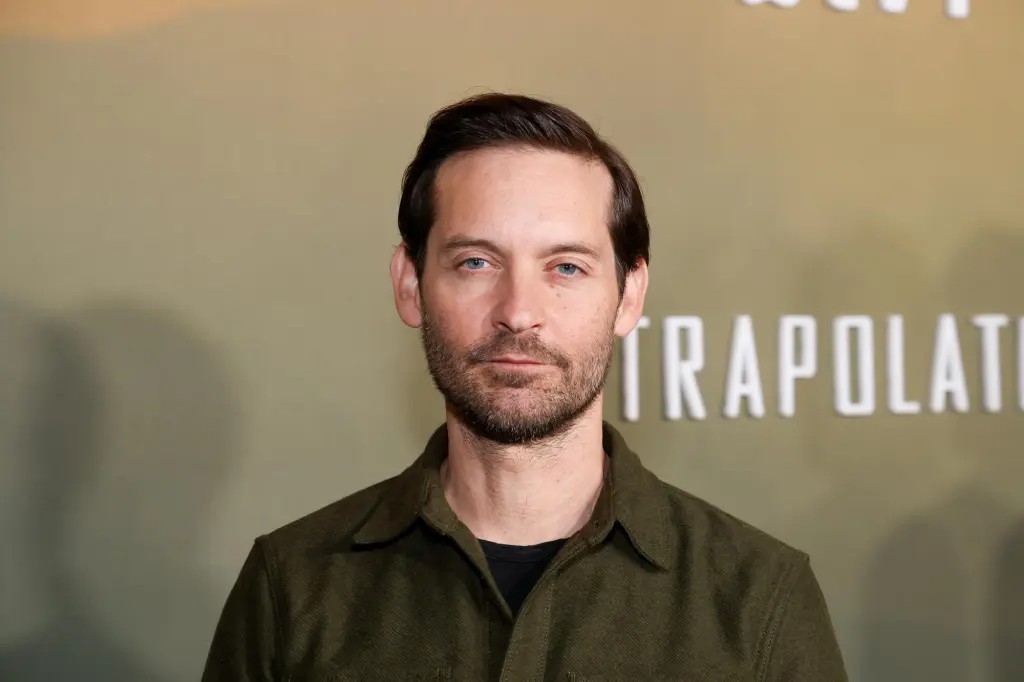
Hollywood is fascinated with celebrity romances, but a recurring trend raises questions: why do so many high-profile male actors consistently date women significantly younger than themselves? The phenomenon is not new, but the sheer repetition among stars like Tobey Maguire, Leonardo DiCaprio, Wilmer Valderrama, and others begs for scrutiny.
The Dynamics at Play
While age-gap relationships exist in all walks of life, the power imbalance and social dynamics become particularly visible when celebrities are involved. The “older man, younger woman” trope is a long-standing cultural cliché, suggesting that maturity and financial stability are attractive qualities. However, when this becomes a pattern—with men repeatedly choosing partners decades their junior—it raises concerns about motivations.
Some relationships do evolve into long-term commitments, as seen with George Clooney and Michael Douglas. Others, like those associated with Hugh Hefner, highlight the problematic side of extreme age differences. The core question remains: what common ground exists in such pairings, and what does this say about Hollywood’s standards?
Why It Matters
The prevalence of these relationships is not merely gossip fodder. It reflects a broader societal issue where age and power dynamics influence attraction. The entertainment industry reinforces this trend by glamorizing older men with younger partners, normalizing behavior that can be exploitative or simply unsustainable in the long run.
The constant repetition of this pattern—with celebrities like DiCaprio never dating women over 25—suggests that youth is valued over compatibility, emotional maturity, or shared life experiences. This trend reinforces the idea that men retain desirability as they age while women face societal pressure to remain young-looking.
The Bigger Picture
The fascination with celebrity age gaps speaks to deeper cultural anxieties about aging, power, and the commodification of youth. It is not about condemning individual choices but examining the systemic factors that encourage this behavior.
This pattern is unlikely to change anytime soon, as long as Hollywood continues to reward youth and status over genuine connection. The reality is that these dynamics are just another facet of the industry’s often-skewed values.