Summer. Heat. Water.
It sounds simple, maybe even safe, but you’re probably doing several things that make doctors cringe while you lounge on a striped towel.
It isn’t just about hygiene, really, though that’s part of it, it is about basic safety logic that everyone ignores because “I’ll be fine” is the most dangerous sentence in the English language.
We talked to clinicians, people who deal with the aftermath of poor choices, to find out what you should stop doing right now.
Skip the shower? A mistake
You don’t feel dirty.
The water looks clear, right? Wrong. Your skin carries sweat, lotion, sunscreen, oil, bacteria, hair products. When those hit chlorinated water, a chemical reaction occurs that destroys chlorine’s ability to kill gerbs, creates toxic byproducts, stings eyes, irritates skin, clogs filters, makes the whole ecosystem grosser.
The CDC wants a one minute rinse, just thirty seconds to a full minute, under the spray to wash the surface filth before you enter the main pool, essentially protecting the collective swimming environment.
“Sand and dirt shouldn’t contaminate the water, and sure, it clogs up filtration systems.” – Dr. Chris Bunick
It sounds annoying.
It isn’t.
It’s hygiene, basic communal respect.
No glass, nowhere near
Bring a drink? Fine. Bring it in plastic or metal, definitely not in something shatterable, because glass on a wet deck or submerged is invisible death waiting to happen, literally underfoot where no one checks for sharp edges.
Dr. Steven Valassis, who chairs an emergency department, hates glass near water. Why?
You’re barefoot, likely moving, slipping, stepping. One slip means laceration, some five percent of which are deep enough for hospital admission and surgery. Tiny shards go down drains, hide under liners, ruin pools entirely sometimes requiring a full drain, costly cleanup, total loss of the day, ruined mood, angry property managers, medical bills.
Just switch materials.
Use cans, use tumblers, use anything that doesn’t turn into shrapnel if knocked over.
Is it hard? No. It takes five seconds to change.
Watching kids
You think drowning makes noise.
You are wrong, most of the time, drowning is fast and silent, not the splashing movie drama but a sudden underwater panic that goes unnoticed because parents believe they will hear it, forty-eight percent believe it according to surveys, tragically falsely, while children disappear in seconds, requiring constant focused eyes on the child, not the phone, not the snack, just watching them every moment without distraction, even if they can swim well.
Lessons help.
They don’t make kids immune, the American Academy of Pediatrics is clear on that, skills reduce risk, supervision eliminates accidents, one cannot substitute for the other, drowning takes seconds, attention is everything, don’t blink.
Sick stays dry
You want to swim while fighting a stomach virus?
Please don’t, because activity might cause nausea and vomiting in the pool or near it, increasing dehydration, making you feel worse, while simultaneously spreading germs to others through chlorine lag, that time gap where infectious agents survive before chemicals neutralize them.
Dr. Bunick points out the reality of water treatment delays. Chlorine doesn’t kill pathogens instantly. There’s a window. Your sick self enters the window, other swimmers follow, everyone catches something.
Stay home. Let your gut heal, save the fun for later when you’re healthy enough to swim without risk of contamination, selfish or not, it affects others.
Open wounds
Cut your finger? Keep it out, unless it’s tiny.
Deep cuts, scrapes, fresh incisions, surgical wounds. Don’t dip them, because chemicals damage exposed tissue, cause breakdown, invite inflammation, create infection risks, especially dangerous if not just in pools but even more so in natural waters like lakes, rivers, oceans where bacteria thrive unchecked, making a bad cut much worse.
Small nicks? Okay. Cover them well with ointment and waterproof bandage before entering, then watch closely afterward. Redness or swelling means trouble, see a doctor, don’t ignore signs of infection that start in chlorinated environments but worsen outside.
Healing matters, protection is cheaper than antibiotics, really.
Diving hazards
Think it only happens in movies.
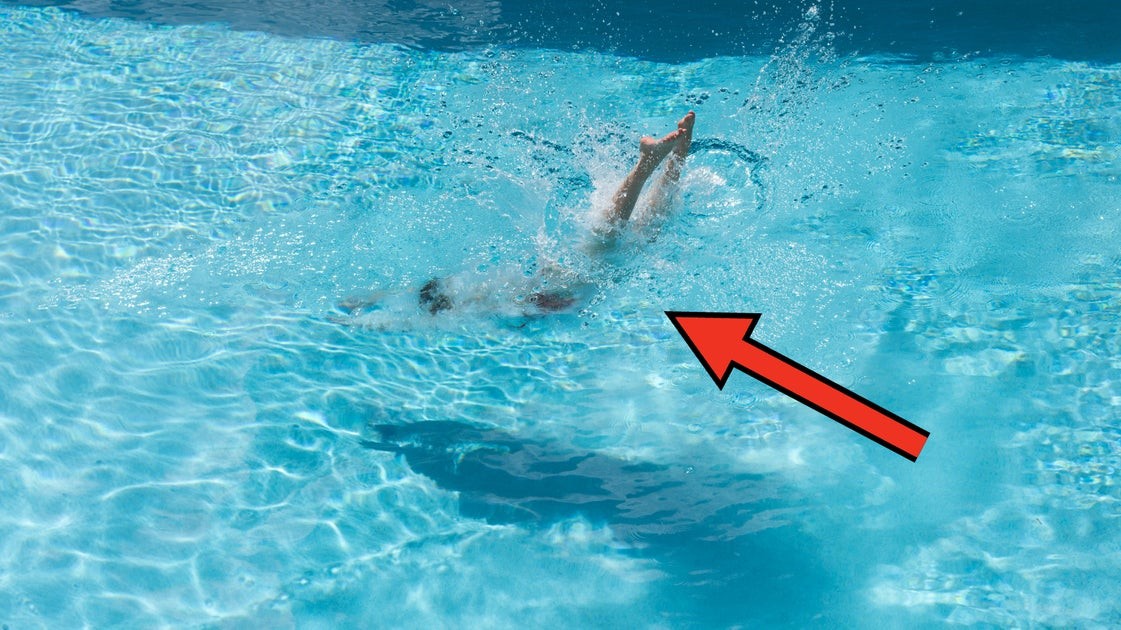
Kids do it. At home pools, most often, diving heads into shallow water, hitting bottom, transferring force up spine, damaging neck vertebrae, potentially paralyzing victims, sometimes stopping breathing completely, life changing injuries over pride, boredom, or stupidity.
The Red Cross suggests entering unknown water feet first, always. Public pools have lifeguards, home ones rarely do. Parents assume control. Reality says accidents strike unguarded moments, requiring basic caution, awareness, and simple rules that prevent catastrophe before it starts.
Be smart, enjoy summer, leave stupidity on deck, water is fun until it isn’t. 🏊♂️