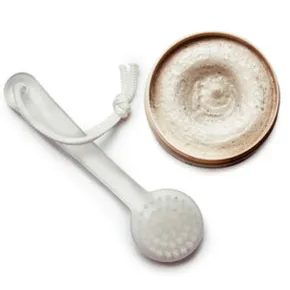
If you have ever felt like your face was screaming after a wash, you aren’t imagining things. Traditional soap is tough on skin. It strips away the good along with the bad. That’s where soapless skin cleansers step in. Often called synthetic detergents or syndets, these gentle alternatives are designed for the millions of people whose skin rebels against standard bars.
We wash to remove dirt, oil, and bacteria. But harsh soaps take a toll. They dry you out. They irritate. Soapless cleansers work differently. They contain less acid. They pack more moisturizing ingredients. This allows them to lift dirt away without leaving your skin feeling tight or stripped.
Who Needs Soapless Cleansers?
About 40 to 50 percent of the population has sensitive skin. More women than men report this issue. You might have sensitive skin if weather changes trigger rashes. Blotchy skin. Itching. Stinging. People with rosacea, eczema, or acne often find that traditional soap makes these conditions worse. Doctors usually recommend a mild cleanser for a reason.
Soapless cleansers do the same job as soap. They just skip the harsh ingredients. Here is the science behind why they work better for your skin barrier.
The Chemistry Behind the Clean
Even though the ingredients differ, soapless cleansers clean similarly to traditional soap. To remove dirt and oil, a cleanser must attract both water and fat. Its molecules need two parts. An oil-loving component. A water-loving component. This combination is called a surfactant.
A surfactant lowers water’s surface tension. It lets water wash away oil and dirt. The lipophilic part captures the grime. The hydrophilic part rinses it away. In traditional soap, the lipophilic part often relies on fatty acids. In soapless cleansers, it usually uses chemicals derived from petroleum and other oils. These are less damaging to skin.
“Soapless cleansers essentially do the same job as soap — but without the harsh ingredients some traditional bar soap may contain.”
Traditional bar soaps can also harm sensitive skin due to their high pH. This disrupts the stratum corneum. That’s the outermost layer of your skin. It protects inner layers. When harsh soap hits it, the skin dries out. This makes the stratum corneum more permeable. Chemicals and pollutants get in easier. Soapless cleansers avoid this spike in pH.
Humectants and Hydration
Many soapless cleansers help moisturize skin. They contain more humectants than standard soap. Humectants are ingredients that absorb water from the air and retain it in your skin. Look for urea, glycerin, or alpha hydroxy acids. These are common in moisturizers and soapless formulas.
Benefits for Every Skin Type
Because they moisturize and strengthen the stratum corneum, these cleansers are ideal for sensitive skin. They help people with dry or oily skin, too.
If you have oily skin, choose a soapless cleanser with a low pH. It cleans without over-drying. Removing too much oil can cause oil glands to go into overdrive. For dry skin, the added moisturizers help retain water. Bar soap often does the opposite.
These cleansers also leave less residue. Hard water has high calcium. Soap meets hard water and creates soap scum. That residue stays on your skin. Soapless cleansers don’t play that game. They have a longer shelf life too. Bar soap deteriorates when wet. Soapless formulas can last for years.
One of the best benefits is moisture retention. You can help your body keep that moisture by changing how you shower. Take warm showers. Keep them short. Hot, lengthy baths dry out skin. Apply a moisturizer within three minutes of bathing. This locks in what the water and cleanser added.
Choosing the Right Products
If your skin is sensitive, keep it simple. Use products with the fewest ingredients. Avoid cleansers that mix fragrances, vitamins, antioxidants, retinoids, and alpha hydroxy acids all at once. That’s a recipe for irritation.
Your skin barrier is precious. It takes care of you. Give it a cleanser that doesn’t fight back.
Where to Dig Deeper
You’ve got the basics down. Now you’re probably wondering about the nitty-gritty details. The fine print. That’s where most of the confusion lives.
If you’re still scratching your head, here are a few places that go further than a quick glance.
- Is a daily shower too much for your skin? It’s the classic debate. The answer isn’t a hard yes or no. It depends on what else is in that shower.
- Is the sodium lauryl sulfate in my shampoo killing me? No. It’s not a toxin. It’s just a strong cleaner. If your hair feels stripped, you might want to look elsewhere.
- Top 5 Tips for Choosing a Daily Facial Cleanser Face care is tricky. One size fits no one.
- Top 5 Tips for Choosing a Daily Body Cleanser Body skin is tougher. It can handle a little more.
The Sources Behind the Science
This isn’t just opinion. It’s dermatology. Here is where the data comes from. You can check these if you want to verify the claims yourself.
- American Academy of Dermatology covers dry skin and keratosis pilaris. They have resources on how dry skin actually behaves.
- Collette Bouchez wrote about oily skin solutions. Her point is simple. Oily skin needs care at any age.
- Karen Bruno discussed women’s skin care for a soft body. Moisturizer and toning creams play a big role here.
- Zoe Diana Draelos wrote about skin and hair cleansers. She looks at the chemistry of what goes on your skin.
- Peter M. Elias talks about the stratum corneum. This is the outer layer of skin. Its function is key to a good regimen.
- The FDA clarifies what is a cosmetic, a drug, or soap. The distinction matters for regulations.
- Dee Anna Glaser wrote about cleansing and moisturizing regimens. She looks at patient management.
- MayoClinic has entries on acne, dry skin, and moisturizers. They provide the lifestyle and home remedy advice.
- New Zealand Dermatological Society discusses soaps and cleansers. Their perspective is global.
- Julia Scirrotto wrote about soothing solutions for sensitive skin.
- WebMD has guides on eczema and the sensitive skin myth. They debunk a lot of common fears.
The Bottom Line
Skin care is not one-size-fits-all. What works for your friend might not work for you. The sources above give you the framework.
Use them.
Test. Adjust. Ignore the noise.