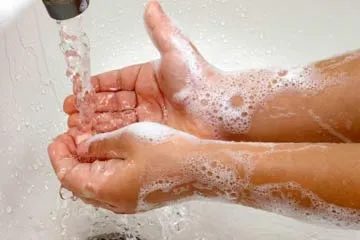
Hand washing is not just a polite suggestion. It is the most effective tool at our disposal to nip infections and diseases in the bud. Keep your hands clean. Your body will thank you.
Still, the data is ugly. Research has revealed a shocking gap between what we should do and what we actually do. Only 77 percent of people wash their hands after using a public toilet. This means that a quarter of the population is still carrying the germs on their skin.
The numbers get even worse when daily illness is taken into account. Only 34 percent of people wash their hands after coughing or sneezing. Think about it. One-third. They cover their mouths. They go about their day. Pathogens remain on their fingers, waiting for them to enter the next door handle or the shared office kitchen.
It’s not about being grossed out. It’s about basic biology. Bacteria don’t care if you’re polite. They care about warmth and moisture. Hands offer both.
We have to change the habit. Not because someone is watching. But because the invisible stuff on your hands is real. And it’s contagious.
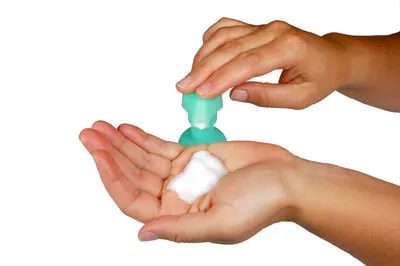
Antibacterial soap myths
You’ve probably seen soaps on the shelves that promise to kill 99.9% of bacteria. Seems like common sense when it comes to hygiene, right? But the Centers for Disease Control and Prevention (CDC) says that’s not the case. You don’t actually need to use antibacterial soap every day.
The truth is that washing your hands thoroughly with regular soap and warm water is one of the most effective ways to prevent infection. Instead of chemical additives, mechanical scrubbing and rinsing does the heavy lifting.
And don’t forget your face. It gets touched more than you think.
Do you want more practical hygiene tips? See next page.

The truth about blackheads and why washing is important
Washing your face twice a day is not just a habit; It is a practical step to loosen Blackheads and clean pores. But here’s where most people get it wrong: dark stuff isn’t dirt.
It is a mixture of sebum and dead skin cells that oxidizes in the air.
Cleansing the skin helps fight these buildups. But if you want to keep them from coming back, you need to go beyond just scrubbing. Prevention is the real game.
“Blackheads are not caused by dirt. They are oxidized oil and skin cells.”
Next, let’s talk about how you can actually prevent acne before it starts.

Why scrubbing won’t fix your acne (but hygiene will)
First, let’s clear up the biggest myth in dermatology. Lack of hygiene does not cause blemishes. You didn’t get a pimple on the back because you missed the shower on Tuesday. Acne is a complex disease caused by hormones, genetics, and bacteria, not a moral failing or a sign of “dirt.”
But here’s a nuance that most people miss. Dirt is not the cause, but good hygiene can help prevent acne. Especially with body acne, where sweat, oil and dead skin cells stick to the fabric all day, the right routine acts as a protective shield.
Think of it this way: If you don’t remove the residue, your pores will clog. Clogged pores are a breeding ground for C. acnes bacteria. It’s not about shame. It’s all about maintenance.
How to keep pores clear without scrubbing them raw
- Cleaning the skin daily is not negotiable. It removes sweat and sebum left on the surface. Use a gentle, unscented cleanser. Harsh soaps destroy the skin barrier and trigger more oil production. This is a trap.
- Weekly exfoliation helps. Not every day. Not with a rough sponge. Once or twice a week, a chemical exfoliant (like salicylic acid) dissolves the glue that holds dead skin cells together. This prevents the pores from clogging deeper.
Physical exfoliation often does more harm than good. It causes microtears and inflammation, which can make the inflammation worse. Chemical exfoliation is smoother, deeper and more effective in preventing stubborn body spots.
Shower strategy against body acne
So how do you do this without spending an hour in the shower?
- In the shower right after sweating. Don’t let the sweat dry on your skin. It mixes with bacteria and oils.
- Use a clean towel. Your towel has bacteria on it. Wash it weekly.
- Exfoliate gently. Let the product do its work. No aggressive scrubbing.
- Moisturize. Oily skin also needs moisture. Use a non-comedogenic cream.
“Acne is a disease. Hygiene is a preventive measure. They are related, but they are not the same thing.”
This approach is not about achieving perfect skin. It’s about reducing the factors you can control. Hormones? Out of your hands. Genetics? Same. But clogged pores? This is manageable.
Start small. Choose a change. Maybe switch to a salicylic acid wash. Maybe you wash your post-workout clothes right after you take them off. Small shifts add up.
The goal is not to scrub off every blemish. The idea is to create a skin environment where they are unlikely to take root.
Soap vs. Shower Gel: Which Cleanser Really Helps You Reduce Stress?
There is a special relief you feel as soon as the warm water hits your skin. It’s not just about cleaning. It’s about washing away the friction of the day. A hot shower or long bath lowers your cortisol levels. It relaxes the muscles. It also makes an important contribution to your hygiene by keeping odors away and reducing the risk of bacterial growth on your skin.
But here’s the catch. You are tired. Your brain is foggy. You stand in front of the shower shelf and stare at two almost identical bottles.
Soap.
Body wash.
Which one really helps to unwind? Which one leaves your skin feeling like silk rather than a chalkboard?
Texture difference
Soap has been the standard for decades. They are solid. They are simple. But they can dry out. Many traditional bars have a high pH level, which strips the skin of its natural oils. If you suffer from eczema or just naturally dry skin, a bar of soap can cause tightness and itching within minutes.
Body washes, on the other hand, are liquid. They usually contain more moisturizing active ingredients such as glycerin or oils. They foam easily, even with less water. The ritual of pumping a bottle feels a little more luxurious than rubbing a slippery bar. For many women, this small gesture of self-care is important. It shows that this time is for you and not just for hygiene.
Hygiene discussion
Let’s talk about the elephant in the bathroom. Bars of soap are lying in a puddle. They are moist. Bacteria love a moist, warm environment. Some research suggests that while you won’t get dangerous infections from sharing a bar of soap (skin is a huge barrier), the bar itself can harbor bacteria. It will be disgusting. Quickly.
Shower gel bottles are closed. You pump. The product does not remain in water. It stays clean longer. If you share a bathroom with family, body wash is a safer choice. Less surface bacteria. Less arguing about who touched the last dirt.
Fragrance factor
You want to reduce stress. You want to smell like lavender, vanilla or sandalwood, not ordinary laundry detergent. Body washes often have more complex, longer-lasting scents. They are designed to adhere to the skin after rinsing. bar of soap? They wash off quickly. They may smell clean, but not fragrant.
If aromatherapy is your thing, body wash wins. The smell remains. It will take you into the evening. It makes you feel put together even if you’re wearing pajamas.
Judgment
If you have sensitive skin or hate the feeling of tightness after washing, switch to a moisturizing body wash. Look for terms like “moisturizing,” “cream,” or “oily.” Avoid bars with strong sulfates.
If you’re on a budget or want to reduce plastic waste, a good-quality bar of glycerin soap is still good. Just keep it dry. Use a draining soap dish. Let it breathe.
But is relaxation the goal? Is the goal to pamper yourself after a long day?
Go with the body wash. Extra foam. The
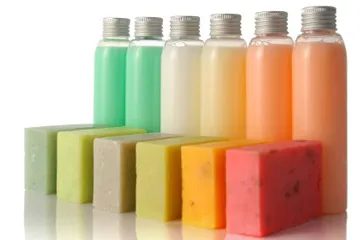
Why shower gel might not be enough for oily skin
Body wash is often called a gentle option, and for good reason. They rely heavily on petroleum jelly, a thick, moisturizing ingredient that leaves your skin supple and hydrated. This makes them a good choice if you suffer from dryness or have sensitive skin that reacts poorly to vigorous exfoliation.
But there is a trade-off. The same creamy formula that soothes can also leave a film. It doesn’t remove oil, dirt or bacteria that cause body odor as effectively as other cleaning products. If your main concern is excess oil or a lingering odor, liquid soap can only delay the problem rather than solve it.
For people with naturally oily skin, switching to deodorant or antibacterial bar soap is often a wiser decision. These harsher formulations penetrate oil without relying on the heavy emollients of creams and gels. You get a more thorough cleanse that actually removes sebum build-up instead of just covering it up.
Verdict: Gentle is not always effective. Match your cleanser to your skin type, not just your scent preference.
Of course, the way you use the soap is just as important as the contents of the bottle. A bar of soap may be enough, but without the right tools you will still miss out on thorough cleaning. Let’s see how washing mechanics can change the outcome.
Why exfoliation is important (and how often you really need it)
Exfoliation is not just a buzzword. This is a physical process to remove dead skin cells attached to the surface. Without this step, your skincare routine is basically just applying products to the dirt layer. For many, it is an undeniable part of daily care.
Most dermatologists recommend using it twice a week as a base. This is a sweet spot for the average person. But averages don’t take every life into account. If you are over 50, you may need more often. With age, skin renewal slows down. More dead cells accumulate. You have to sweep them away more often to reveal the fresh skin underneath.
The climate also plays a role. When you live in a hot, humid environment, your skin produces more sweat and oil. This mixes with the dead cells and forms a sludge that clogs the pores. In these cases, twice a week is not enough. You may need to exfoliate three or four times a week. Watch your skin. If it feels tight or red, pull it back. If it looks dull, step it up.
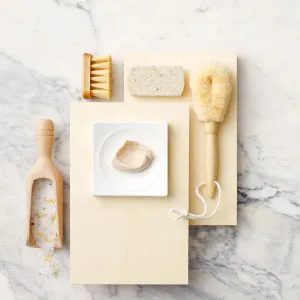
Tools of the Trade
You don’t need expensive equipment to achieve this. Simple tools work well.
– Washcloth: Cheap, reusable and effective for gentle physical exfoliation.
– Body scrub: Sugar or salt-based scrubs give a granular effect. They also moisturize when they contain oils.
– Luffas: Natural or synthetic fibers create foam and exfoliate at the same time.
Choose one. Stay with it. Don’t overcomplicate it.
Hidden danger: Dirty loofahs
This is where most people mess up. You use the tool, but you forget the tool itself. A sponge or washcloth that stays wet in the shower is a petri dish. Bacteria love moisture. Fungi thrive in darkness. If you don’t clean your tools, you won’t clean your skin. You’re spreading germs.
“A dirty loofah can bring bacteria back into your pores and lead to breakouts and infections.”
Rinse tools thoroughly after each use. Squeeze out the excess water. Hang them to dry completely. Change them regularly. A loofah that smells of something other than soap must go. Washcloths should be washed often. Scrubs in jars? Use a clean spoon or wash your hands before scooping. Cross contamination is real.
On the next page, we’ll go into more detail about the specific risks of neglecting your exfoliation tools. But for now, remember: if your tools are dirty, your skin will suffer.

Change your bath supplies before they become toxic
You have to throw away the bath sponges and loofahs. Regularly. If you ignore this, your skin will pay the price for unnecessary irritation. The culprit is simple: bacteria.
A special study has shown how quickly things go wrong. Bacterial populations of fungi were found to grow exponentially in just 24 hours. This is not a slow build. This is a fast, warm, moist breeding ground. You are scrubbing dirt into pores that are already full of microbes.
Change them. Often.
How often should you wash your hair?
Once your bathing tools is sorted, you need to figure out the rhythm of your head. How often should you wash your hair?
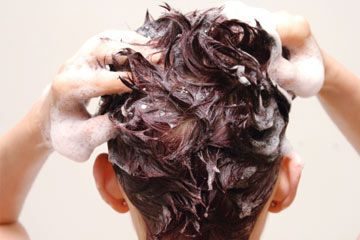
The washing cycle paradox
You strip the scalp, and it screams back.
It’s a biological feedback loop that feels like a losing game. You wash your hair daily in a desperate attempt to remove the oil, and your body interprets this dryness as an emergency. It overcompensates. Sebaceous glands work at full speed, pumping out even more oil to protect the skin. So wash yourself again. The cycle repeats itself.
It feels negative. It’s like you’re waging a war against your own biology and you’re losing.
But here’s the thing: daily washing isn’t a biological necessity. It’s a habit.
In the 1950s, it was common practice for most women to wash their hair once a week. They didn’t have dry shampoo. They didn’t have volumizing sprays or clarifying shampoos on the market that would solve the problem of daily washing. They washed less. And they got along well. Their hair adjusted. Their scalp settled. Oil production stabilized because it was not constantly attacked by surfactants.
If you’re stuck in a vicious cycle of greasy hair despite repeated washing, the problem may be the frequency itself.
However, if dandruff is the real culprit—flaking, itching, the persistent white specks—the solution isn’t just how often you wash, but what you use and how you apply it. The approach changes completely when the scalp is irritated and not just oily.
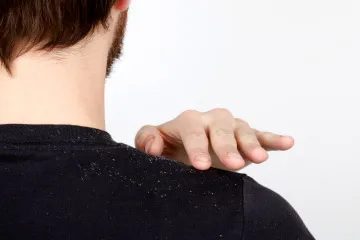
The clock starts now
If you struggle with dandruff, the standard medical advice is not to skimp on frequency. Use an anti-dandruff shampoo daily. But the real trick – which most people miss – is the wait time. You need to let the product sit on your scalp for five minutes before rinsing it off.
Think about it. Five minutes.
It feels like forever in a steamy shower, but that contact time is non-negotiable. The active ingredients need this window to break down fungus or soothe inflammation that causes dandruff. If you flush too soon, you’re flushing money down the drain.
Of course, this only works if you use the right shampoo. Not all dandruff is the same. If you don’t know what triggers your scalp problems, you may be fighting the wrong battle. Is it dry skin? Seborrheic dermatitis? Reaction to styling products? Identify the cause so you can choose a treatment that really targets it.
After five minutes, rinse thoroughly. But this is where most people mess up the rest of the routine. Do not stay in the shower after washing.
Exposure to humid, steamy air can hydrate the scalp in a way that promotes fungal growth or slows the drying process, which can worsen the condition. Get out. Dry. Allow the treatment to work in the dry environment for which it was designed.

Stop stealing your skin’s natural moisture
Long, burning showers feel good in the moment, but they’re actively working against you. The heat and duration strip your skin of its natural oils, leaving you dehydrated and vulnerable. If you feel redness or itching after showering, this is your body’s early warning system. Your skin is getting dry and needs help.
Moisturizing is not just a cosmetic step; it is a repair mechanism. But timing and product selection are important. This is how you maintain hydration before the damage starts.
The right way to moisturize after a hot shower
You don’t need a complicated routine to fix shower dryness. You need speed and the right ingredients.
- Apply within three minutes: Pat your skin dry, leave it slightly damp, then apply lotion immediately. This traps water in the skin before it evaporates.
- Choose thick creams instead of emulsions: Lotions have more water and less oil. If you have dry, flaky skin, opt for creams or ointments that contain ceramides, hyaluronic acid, or shea butter.
- Focus on problem areas: Elbows, knees and hands lose moisture the fastest. Apply a thicker layer there.
- Avoid strong fragrances: Irritated skin reacts poorly to synthetic fragrances. Choose fragrance-free or mildly scented options.
Why hot water is the enemy of healthy skin
Hot water dissolves sebum, your skin’s natural protective oil. The longer you stay under the bar, the more you remove this barrier. Without it, moisture escapes and irritating substances penetrate. This results in red, itchy skin, which many women mistake as normal aging or weather changes. It’s not normal. It is a reaction to habituation.
“Your skin is not a sponge. It’s a barrier. Treat it like one.”
Quick solutions for dry, itchy skin
If your skin is already irritated, avoid scrubbing and harsh soaps. Use a gentle, moisturizing cleanser. Apply a moisturizer with niacinamide to calm redness. Drink water, but remember that hydration starts from the outside as your barrier weakens.
The temperature of the shower is important. Turn down the heat. Shorten the time. Your skin will thank you with less itching, less redness and more elasticity.
What else are you doing that could be drying out your skin? Check the detergent. Your skin touches your clothes all day long. Fragrance-free and dye-free options can make a difference. Small shifts. Great results.
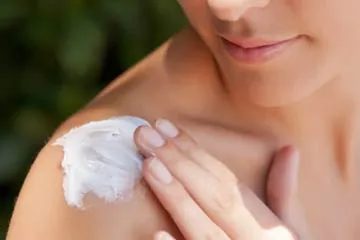
Lock in moisture before it evaporates
Consider a good quality moisturizer as a temporary protection for your skin. Its job is not just to feel good; It strengthens the skin’s protection when it is most sensitive. If you want this protection to really work, timing is more important than you think.
Wait until you get out of the shower and gently pat your skin dry with a towel. Apply the cream while your skin is still slightly damp. The trapped water is absorbed into the skin and increases hydration much more effectively than a lotion on a completely dry surface.
Sunscreen strengthens the equation. A moisturizer that acts as a sunscreen fulfills two needs at once. Don’t forget your lips either. They have thinner skin than the rest of your face and lose moisture faster. Also keep them covered.

Lip sunscreen
We all know the art of applying sunscreen. This is not negotiable. But what about your lips? They have been forgotten. This is wrong. The lips lack the protective melanin that the skin produces in other parts of the face. Without this, UV damage can be more severe and faster. You find yourself at increased risk of dehydration, aging and more serious problems.
The fix is easy. Choose a lip balm with an SPF of 15 or higher. Moisturizing is also necessary. Dry and chapped lips. UV rays get straight in. Reapply before eating or drinking. Keep it in your bag. Wear it like armor.
When lips are protected and moisturized, they look clean. The next step is to keep the feeling fresh. You want to be active all day, but you don’t want to look like you’re trying too hard. How do you keep your energy up when the hours get longer? This topic will be discussed next.
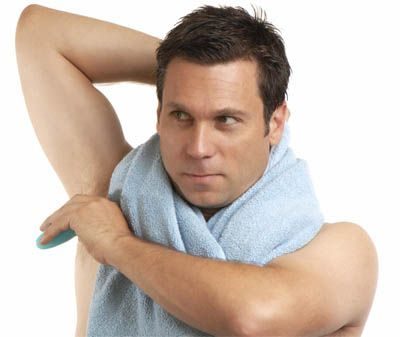
Sweat itself is actually odorless. The distinct, pungent smell you notice after a hard workout or stressful day isn’t sweat. It’s bacteria. Especially those microbes that enjoy your sweat. They break it down and that process releases the smell.
Most of us use antiperspirants as our first line of defense. Target? Stop sweating. No sweat means no food for bacteria. No bacteria feast means less smell. It’s a logical chain. But stopping the flow isn’t your only option.
There are other ways to approach the problem. Some products do not block the channels at all. They attack bacteria directly. Or they mask the smell and let your body do its job. Think about it. Do you really want to stop your body’s natural cooling system? Or do you just want to deal with the consequences?
“Most people use antiperspirant to prevent sweat and odor.”
Next, check another odor blocker.

Natural deodorants for odor control
If your main goal is to combat body odor rather than stop sweating altogether, a natural deodorant may be the right solution. These products typically avoid harsh chemicals such as aluminum, parabens, synthetic fragrances and triclosan. This is a simpler approach for those who want to minimize exposure to chemicals and stay fresh.
And it’s not just body odor. Bad breath can also be a problem. Let’s see how we can approach this next.

Why three minutes actually matters for your smile
You’ve heard the lesson about cleaning your teeth to prevent cavities, gum disease, plaque, and constant bad breath. But how do you do it? This is where most people make a mistake. It shouldn’t be a rushed, two-minute hop-scotch routine. It should take at least three minutes. Yes, three. You have time for that.
And don’t skip the tongue. Or the roof of your mouth. These are not just random places; They are a hiding place for bacteria that no amount of minty fresh rinse can fully mask. If you don’t cleaning them, you’re not really cleaning your teeth.
Toothpaste and floss are not optional luxuries. They are daily non-negotiables. If you Skip one, you leave a significant part of your oral hygiene up to chance. The goal is not just a shiny veneer for a photo. It’s all about keeping your gums from receding and your breath from betraying you before lunch.
“Oral hygiene isn’t a routine. It’s a defense system.”
We often think of flossing as a punishment. It shouldn’t be. This is the only way to get between those tight spaces that brush bristles can’t reach. Use fresh string. Take your time. If three minutes seems like a long time, think about the dentist chair instead. It’s a much less pleasant use of your afternoon.
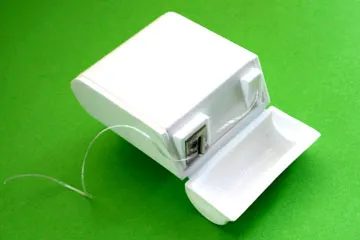
We have a love-hate relationship with flossing. We know we should. We know it’s important. But often the thin nylon thread ends up in the trash or, worse, never leaves the box.
It’s time to stop treating it as an optional task. Floss is the most important protection against periodontitis. It does the heavy lifting that your toothbrush just can’t do.
Plaque problem
Your toothbrush cleans the bare surfaces of your teeth. It misses the tight spaces between them. And in these gaps? Bacteria thrive.
Plaque forms. If you don’t remove it, it hardens into tartar. This triggers inflammation. Result? Inflammation of the gums. It is also the main cause of bad breath. You can brush twice a day and still smell off because the real problem is between your molars.
Flossing removes this bacterial film. It stops the cascade before it starts.
How often should you floss?
The old advice was unclear. “Do it daily.” Good. But what does this mean in your real life?
Ideally, you should floss after every meal. Think about it. Food gets stuck. Bacteria eat the leftovers. If you can rinse and floss after lunch, you’re already ahead of the competition.
If three times a day seems impossible – and let’s face it, it probably is – then aim for once a day. You must floss at least once every 24 hours. This is the basis for keeping periodontitis at bay.
Select your tool
Not all dental floss is the same.
- Waxed floss slides more easily on tight contacts.
- Unwaxed dental floss can stick to rough edges, but cleans more aggressively.
- Floss Picks are great if you have limited dexterity or travel frequently.
- Flossing devices are a game-changer for braces or implants, although for some dentists they do not completely replace traditional dental floss.
Choose what you really want to use. Consistency beats perfection.
Conclusion
Gum disease remains silent until it progresses. By then, the damage may be irreversible. Dental floss is cheap. It takes two minutes. It prevents pain, expensive dental procedures and embarrassment caused by bad breath.
So pick up the thread. Push it between your teeth. Bend it into a C shape to the side of the tooth. Go up and down.
It’s not just about clean teeth. It’s about keeping the gums intact. Your future self will thank you. At least he won’t pay for a gum transplant.
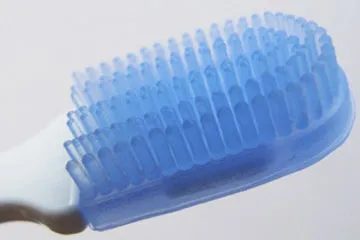
Gentle techniques for healthy gums
You can also use a gum brush to keep your mouth extra clean and gently stimulate your gums to keep them healthy. Another option is to use your fingers. However, be very careful with toothbrushes, as excessive brushing is the main cause of gum recession and injuries. On the next page you will find the last tip for a fresh mouth.

Rethink your mouthwash routine
The American Dental Association actually does not list mouthwash as a mandatory step in daily care. But let’s be honest. Sometimes you just want that minty clean feeling. If freshening your breath is your only goal, use a basic formula with little or no alcohol. High alcohol content can cause a feeling of dryness in the mouth.
Dry mouth is a problem. It creates an environment where other dental problems can creep in. If you want to fight gum disease or prevent plaque build-up, look for an antibacterial mouthwash instead. It does the heavy lifting. But don’t overdo it. Excessive rinsing can strip the mouth of its natural moisture. Balance is key.
We’ve gone head to toe on cleaning. Now is the time to change gears. Basic grooming is next.

The war that made shaving mainstream
Before the 1940s, facial hair wasn’t just a style choice. It was often a prerequisite for masculinity. Then came World War II. The Army changed the game overnight. American soldiers had to close shave completely. Why? Gas masks. Beards broke the seal. Without a tight seal, the mask was useless. Survival depended on smooth skin.
Gillette saw an opportunity. Around the same time, they introduced the first “safety razor”. It was easier to use than traditional razors. Men could cut and close shave at home without a barber. A combination of military mandate and better technology changed the trend. Shaving became the norm.
It wasn’t just about hygiene. It was about adapting. It was about following orders. But it also opened up new markets. Men needed tools. They needed tips. They had to learn how to do it right.
“Gas masks require a perfect seal. Beards made that impossible.”
The war ended. But the custom remained. Shaving remained in fashion. For millions it became a daily ritual. The close shaver made it accessible. The military made it necessary. Result? A cultural change that lasted decades.
Modern shaving essentials
You don’t need a gas mask today. But maybe you still want to close shave. Or at least a clean line. Not much has changed in the basics. But the details are important.
- Prepare your skin. Warm water softens the hair. It opens the pores. This will reduce irritation.
- Use a good razor. Dull blades cause nicks. Sharp blades cut cleanly. Change them often.
- Shaving with the grain. Shaving against the grain makes the close shave closer. But ingrown hairs also occur. Start with the grain. Then move if necessary.
- Moisturize afterwards. Afterclose shave scrub. It also removes oils. Use a balm. No alcohol-based splashes. Alcohol burns. The balm is soothing.
These steps are suitable for all beard styles. Even if you grow one. Cutting is still part of the process. Keep it neat. Keep it intentional.
Why It Still Matters
People ask why shaving is important today. It’s not about gas masks. It’s all about presentation. It’s about control. How you groom yourself says something. It means you’re paying attention. It says you care about details.
This logic also applies to women. Whether it’s hair removal or skincare. The principles are the same. Preparation. Technique. Aftercare. It’s not just about removing hair. It’s all about taking care of the skin underneath.
Trends are changing. But the basics remain. Cleanse the skin. Healthy hair. A routine that works for you. Not against you.
What’s your current routine? Does it work? Or does it cause more problems than it solves? Sometimes the answer is simpler than we think. Less product. More care. Or maybe just a better razor.
The history of shaving is related to war and technology. But on the personal side, it’s all about confidence. It’s about feeling ready. For the day. For the meeting. For the date. Or just for yourself.
There is no one right way. Only what feels right to you.
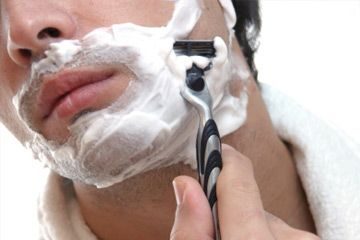
The right time and the right tool for a gentle shave
Timing is more important than you think. Waiting until the end of the shower is the right step. Let the steam do the heavy lifting, softening the hair and opening the pores so the blade glides without tugging. Would you skip a shower? A hot towel that you press on your face for three to five minutes works just as well. It wakes up the skin.
Next, you remove the thin foams that disappear in seconds. Choose a thick, moisturizing shaving gel. It should cushion the blade, not just wet the hair. You want barrier that protects while it cuts. This small change in product choice often results in less shaving irritation and less angry red patches the next day.
The goal is simplicity. Soften first. Lubricate heavily. Shave with the grain if you can handle the speed; shave against if you need a particularly tight finish and your skin can handle it. But never rush. Let the heat and gel do their magic.
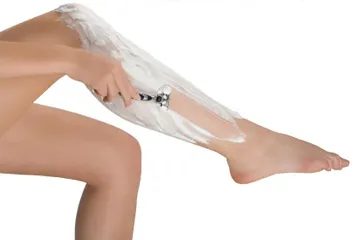
Smooth legs: How to shave without redness
Shaving your legs shouldn’t feel like a struggle. If you’re struggling with irritation, it’s usually because you’re fighting your skin instead of working with it. The solution is simpler than most people think.
Avoid harsh foams. Look for a moisturizing gel or cream. Especially choose alcohol-free. Alcohol removes natural oils. This makes the skin tense and susceptible to inflammation. A hydrating base allows the blade to glide.
The blade is just as important. A dull razor drags. It pulls the hair instead of cutting it. This leads to the formation of microtears and ingrown hairs. Use a clean, sharp blade. Change it regularly. A rusty or used blade can cause infections and rashes.
Then there is direction. For a more precise shave, most women shave against the grain. This feels smooth at first. It also causes razor burn. Shave in the same direction as the hair grows. It might not be that close right away. But the skin remains intact.
“Shaving with the grain reduces irritation and keeps the skin barrier healthy.”
This method requires a little more patience. It requires a steady hand. But the result is cleaner skin. No red bumps. No itching. Just smooth legs.
Some prefer other methods. Waxing. Sugaring. Laser. These are valid options. They last longer. They have their own learning curves. But for a quick solution at home, the right cream and motion make all the difference.
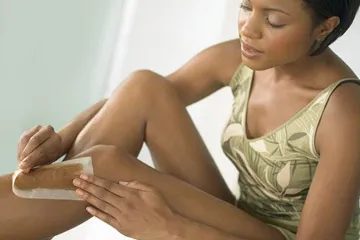
For many women looking for instant, glassy smoothness, waxing is still the best option. Results last longer than shaving, which is a handy benefit if you’re trying to avoid daily grooming. But let’s be honest about the pain factor. For people with sensitive skin, regular strips can feel less like a beauty treatment and more like a little torture.
If you’re leaning toward waxing despite the discomfort, there’s a smarter way to deal with it. Skip traditional formulas that contain lots of chemicals. Look for a soy-based wax instead. It attaches to the hair instead of the skin and pulls the strands out with significantly less damage to the follicle. The difference in sting is noticeable. It’s a small switch that makes a big difference when you’re trying to keep redness and irritation at bay.
Of course, hair removal is only one piece of the hygiene puzzle. Taking care of your hands and feet is not vanity. It’s about health. Cracked heels or dry cuticles can harbor bacteria. A little routine care – exfoliation, moisturizer, maybe a clip here and there – will help keep you in shape without trying too hard.
Choosing soy-based wax reduces skin damage compared to traditional chemical alternatives.
We’ll dive deeper into those hand and foot routines next.
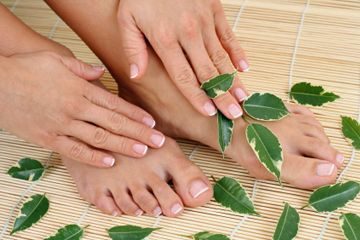
Beyond the hands: Why foot care is just as important
Manicure is not just for women. Men also appreciate clean and well-kept nails. Strong, shiny nails are a sign. They say you are healthy. Take care of yourself. But hands are only half the story.
We stare at our phones all day. We write. We gesture. Our hands attract attention. You get cream. You will receive a file.
But your leg? They carry you. Everywhere.
Keep them clean. Trim regularly. Moisturize daily. Clean under the nails. Sounds easy. It is.
And thank you. Stop biting your nails. It looks chaotic. It attracts infections.
You might think that legs are an afterthought. They are not. Healthy feet mean mobility. Mobility means life.
Treat them with the same respect you give your hand. Because you go for it. Every blessed day.
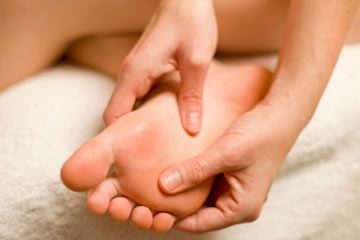
Why diabetic foot care cannot be negotiated
You probably know that healthy skin is important. It’s an barrier. But for diabetics, this barrier is everything. Bad foot care doesn’t just mean dry skin. It could mean a serious infection. Or even worse. You need to treat your feet differently. Not perfect. Simply consistent.
Wash them every day. Warm water, not hot. Check the temperature on your elbow if you have neuropathy. You may not feel if the water is burning you. Dry them carefully. Especially between the toes. Moisture is a breeding ground for fungi. This is how small problems become big.
Lotion and nail routine
Apply cream after drying. Rub it in. This does two things. It keeps the skin soft and supple. It also stimulates blood circulation. Blood circulation supports tissue healing. Stagnation hurts. Use heavy cream. Avoid putting the cream between the toes. You want them to dry out. Keep the rest of the foot moist.
Now look at your nails. Cut them crosswise. Never bend them at corners. Curved nails penetrate. They cause ingrown toenails. These are painful and difficult to treat if you are diabetic. If you have thick nails or poor eyesight, let a professional do it. Don’t guess. Don’t rush. Take your time.
Beyond the basics
It’s not just about looking good. It’s about moving. It’s about avoiding hospital visits. You can get more detailed hygiene tips from our daily skin care articles. They break down the routine step by step.
But remember. You are the first line of defense. Check your feet daily. Look for cuts. Redness. Swelling. You don’t need a microscope. Just good light and a few minutes. Catching something early makes all the difference. Ignoring it doesn’t.
So wash. Dry. Moisturize. Cut straight. Repeat. It’s simple. It’s boring. It’s also the difference between walking and being in bed. What do you prefer?