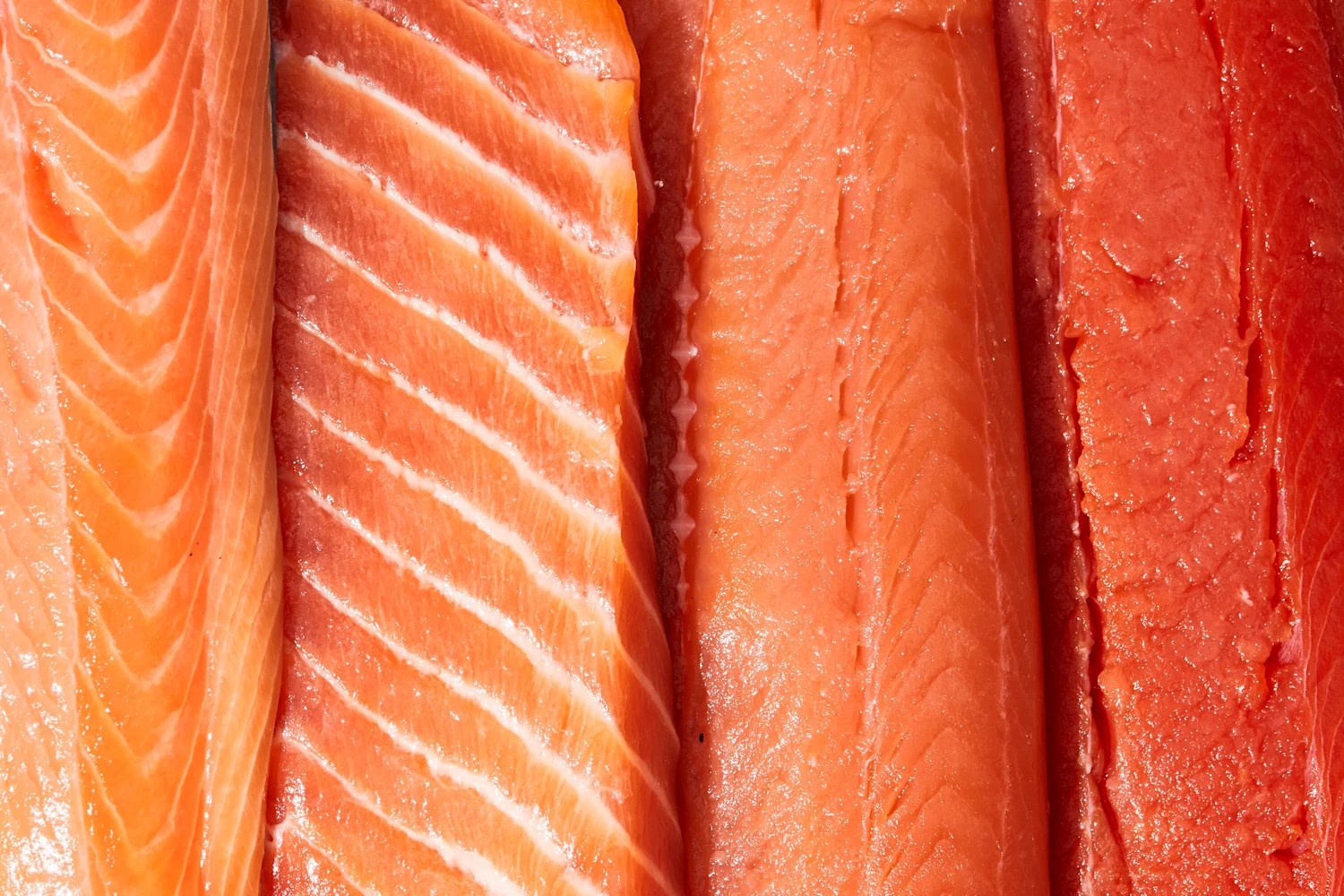
It’s a label that stops me mid-aisle. “Sushi-grade.” You see it slapped on salmon at almost every major grocery chain. It promises safety. It promises quality. But here’s the uncomfortable truth: that label means nothing legally.
I used to trust it blindly. I wasn’t alone in that. Most shoppers do. It sounds official, doesn’t it? Like a seal of approval from some high council of marine life. But that council doesn’t exist.
To cut through the marketing noise, I talked to the pros. The fishmongers. The chefs who actually cut the flesh for their livelihood. Their verdict? Don’t panic. But do pay attention.
The Marketing Myth
Nobu Yamanashi runs Yama Seafood in New Jersey. His company deals in premium Japanese ingredients. He’s blunt.
“Yes, sushi-grade is really just a Marketing term in the States,” Yamanashi told me.
There is no federal regulation. No government agency stamps fish as “safe for raw consumption” with a specific “sushi-grade” cert. It’s a catch-all phrase retailers use to tell you: Hey, this guy is good to eat raw. Probably.
But “probably” isn’t a strategy.
The real standards come from the FDA, not a label. If you’re going to eat it raw, the fish must be frozen to kill parasites. Specifically, the FDA requires salmon to be frozen at -4°F (-20°C) or below for 7 days. Alternatively, it can go down to -31°F (-35°C) for 15 hours.
There are exceptions for farmed salmon. If a producer can document that the fish were raised under strict, controlled conditions—clean feed, managed aquaculture—they might skip the freezing. But even then, the supply chain matters.
The Freezing Question
So, is frozen salmon bad for sushi?
No.
If a fancy restaurant serves you raw salmon, it is likely frozen. It’s standard industry practice to meet safety guidelines. Don’t freak out. When done correctly, this deep-freeze process has minimal impact on the texture or flavor profile you expect from high-end sashimi.
However, texture isn’t the only factor.
Raymon Agno is the executive chef at Jade Rabbit in New York. He serves raw fish regularly. He agrees that “sushi-grade” is just a loose term. But he takes it further. He applies a salt cure before serving.
Why?
It firms up the fish. It draws out excess moisture. It kills lingering bacteria that freezing might have missed or that handling introduced later. It’s an extra layer of control. Something your local supermarket fish counter probably isn’t doing.
How to Buy Safe Seafood
So, back to the grocery store. The fish is labeled. You’re tempted. Do you buy it?
Here is the better approach.
Ignore the label. Look at the source. Ask the person behind the counter.
Agno emphasizes this point. Always buy fish specifically intended for raw consumption. But more importantly, buy it from a reputable source. A fishmonger who can tell you exactly where the fish came from. Who can speak to how it was handled from the moment it hit the water.
Proper handling is just as vital as the freezing. Keeping it chilled. Working with clean hands. If the counter looks like a war zone, walk away.
There is no shortcut to safety. And there is no magic word that makes questionable fish safe.
Next time you’re in the seafood aisle, take a second look at that “sushi-grade” tag. Then talk to the person cutting the blocks. Ask where it went. Ask how it stayed cold. If they can’t answer, they can’t guarantee your dinner won’t make you sick.
The fish doesn’t lie. Sometimes, the people selling it do.