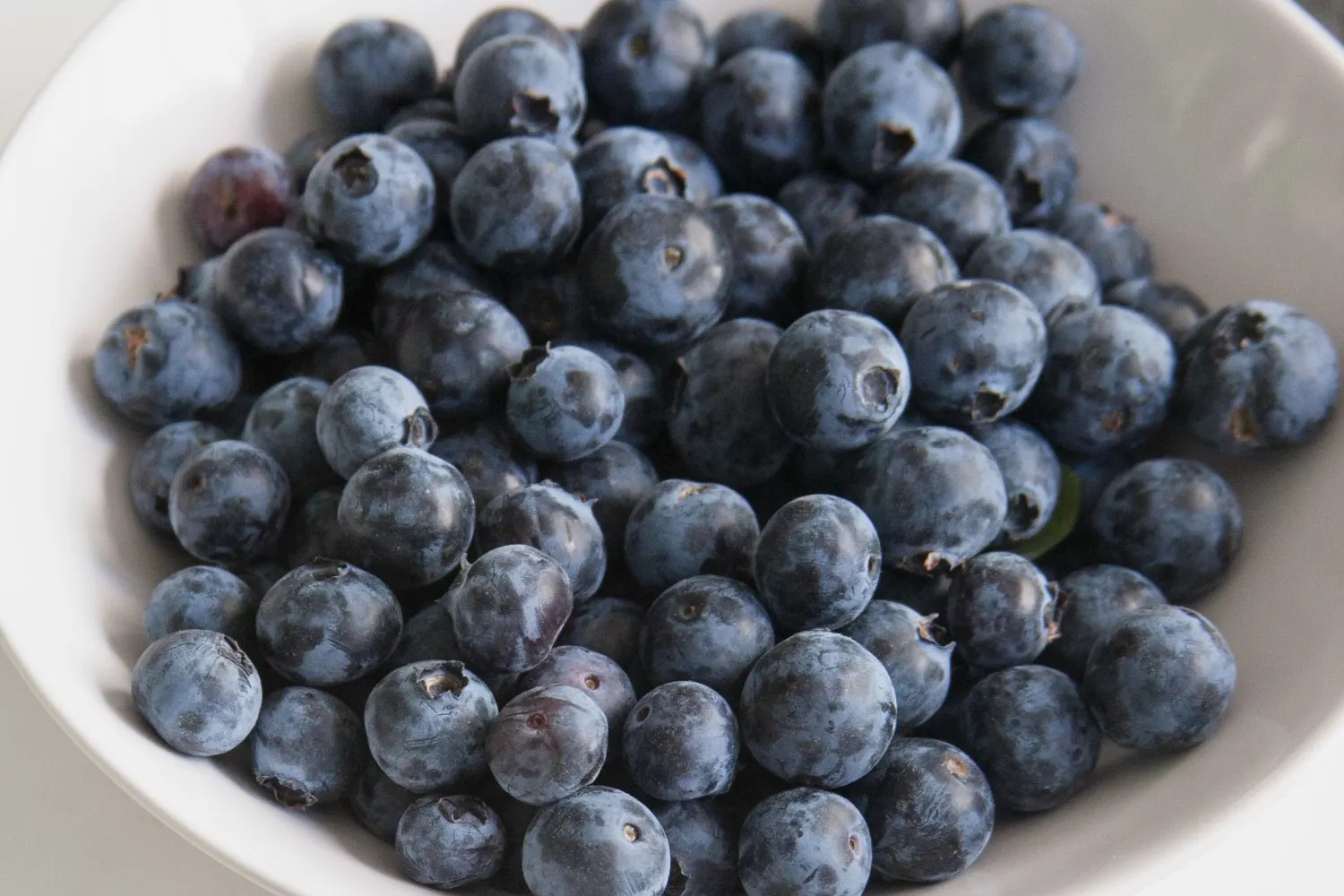
For years, many shoppers have instinctively reached for fresh blueberries, believing them to be superior in taste and nutrition. But a growing body of evidence – and personal experience – suggests that frozen blueberries are not just a convenient alternative, but often a better choice altogether. This isn’t just about cost savings; it’s about maximizing flavor, nutrient content, and year-round availability.
The Myth of Freshness
The preference for fresh blueberries is rooted in the assumption that produce straight from the farm or grocery aisle is inherently superior. However, the reality is that fresh blueberries often travel long distances and sit in storage, diminishing their nutritional value over time. Frozen blueberries, by contrast, are typically picked at peak ripeness and flash-frozen within hours, preserving their nutrients and flavor.
Science Backs It Up
A 2015 study highlighted in The New York Times found that frozen blueberries can contain higher levels of vitamin C and vitamin E – two vital antioxidants – than their fresh counterparts. This is because the freezing process locks in these nutrients, preventing their degradation during transportation and storage. While taste preference is subjective, many chefs and home cooks find frozen blueberries perform just as well, if not better, in baking and smoothies.
The Cost Factor
Beyond nutrition, frozen blueberries present a significant economic advantage. A typical small container of fresh blueberries can cost $3 or more, while a large 3-pound bag of frozen blueberries can be purchased for under $10 at stores like Costco. This translates to substantial savings for frequent consumers, especially those who use blueberries in daily smoothies, muffins, or other recipes. The convenience of a readily available, long-lasting supply further enhances their appeal.
A Shift in Perspective
The consumer landscape is changing. More people are discovering the benefits of frozen produce, driven by factors like convenience, cost, and now, scientific validation. The notion that “fresh is always best” is being challenged, and in the case of blueberries, frozen may actually reign supreme. For those looking to optimize their grocery budget and nutritional intake, the freezer aisle has become a surprising ally.
In conclusion, the evidence is clear: frozen blueberries offer a compelling combination of convenience, nutrition, and affordability. Consumers who have long favored fresh blueberries may want to reconsider their habits and embrace the superior value of their frozen counterparts.