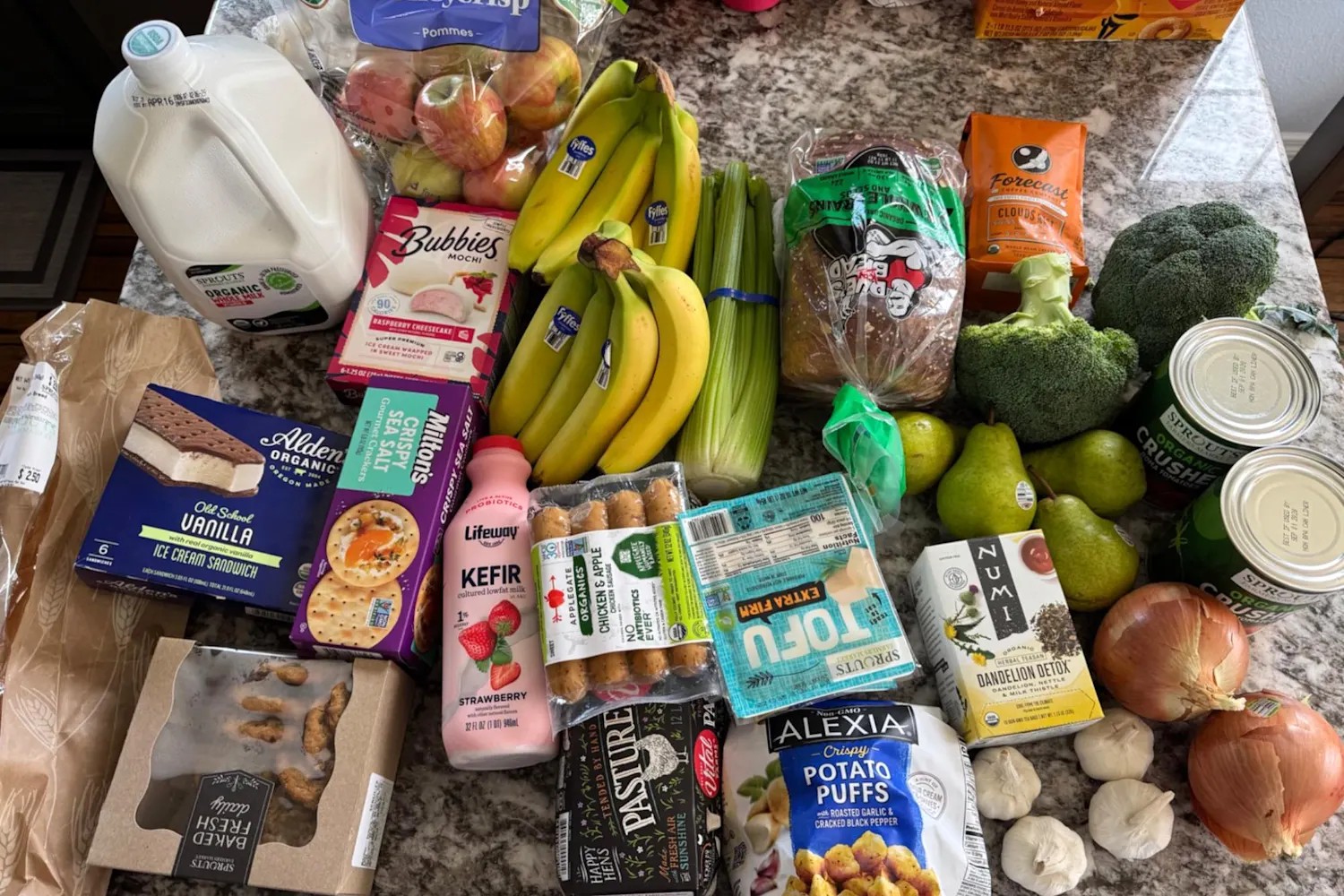
A San Diego family of four, including two adults and two children, recently detailed their weekly grocery spending, totaling $201.50. This breakdown offers a realistic look at food costs in a high-cost-of-living area, factoring in both strategic shopping and occasional splurges. The family’s income is $250,000, but their approach to groceries emphasizes value without strict budgeting.
Strategic Shopping in San Diego
The family primarily shops at Sprouts Farmers Market and Trader Joe’s, with occasional Costco trips for bulk items. This mix allows them to balance quality ingredients with affordability. The monthly grocery budget is $1,500, with a weekly target of around $250. This strategy aligns with USDA Moderate-Cost Food Plans, which estimate a family of four spending roughly $1,209.50 per month on food.
The 80-10-10 framework guides their purchases: 80% for fresh produce, proteins, and dairy; 10% for enjoyable additions like chili crisp or ice cream; and another 10% for stocking up on sale items or planning for the next week’s meals. This approach ensures both nutritional needs are met and cooking remains engaging.
Meal Planning and Flexibility
Meal planning is a constant process, driven by cookbooks (The Kitchn, Defined Dish, Smitten Kitchen) and online resources. The key is to include something appealing in every meal, whether it’s flatbread with lentil soup or peanut sauce on tofu. The family also embraces leftovers for lunch and allows for flexibility: sometimes the kids refuse shrimp, and sometimes the husband assembles random fridge scraps into a meal.
The mother admits that she prioritizes what she wants to cook, and everyone else adapts. This pragmatic approach acknowledges the realities of feeding a family while maintaining some personal culinary preferences.
Detailed Spending Breakdown
Here’s a breakdown of the family’s grocery purchases:
Sprouts Farmers Market ($133.22)
- Pears: $3.64
- Broccoli: $6.09
- Garlic: $2.67
- Honeycrisp Apples: $7.99
- Yellow Onions: $2.86
- Bananas: $3.28
- Canned Tomatoes: $7.00
- Tea: $5.99
- Sea Salt Crackers: $3.00
- Tofu: $4.00
- Eggs: $7.99
- Kefir: $5.99
- Milk: $7.49
- Coffee Beans: $18.99
- Chicken Sausages: $9.49
- French Bread: $2.50
- Cookies: $5.99
- Sandwich Bread: $8.79
- Mochi: $6.99
- Ice Cream Sandwiches: $7.49
- Potato Puffs: $4.99
Trader Joe’s ($68.28)
- Rosemary Crisps: $3.99
- Jelly Beans: $5.58
- Strawberry Yogurt Drinks: $4.49
- Smoked Salami: $3.99
- Brie: $4.84
- Blue Cheese: $4.00
- Salmon Fillet: $10.26
- Edamame: $2.29
- Chocolate Caramels: $5.49
- Brookie Clusters: $3.99
- Half-and-Half: $2.49
- Green Beans: $3.29
- Arugula: $2.29
- Opal Apples: $3.49
- Strawberry Licorice: $2.99
- Bananas: $2.32
The grand total comes to $201.50, supplemented by approximately $106.71 spent on dining out.
The Bottom Line
This detailed breakdown illustrates how a family in a high-cost-of-living area manages grocery spending without sacrificing quality or enjoyment. The combination of strategic shopping, flexible meal planning, and occasional splurges allows them to stay within their budget while maintaining a varied and appealing diet. Ultimately, this approach prioritizes practicality over rigid constraints, reflecting the realities of modern family life.