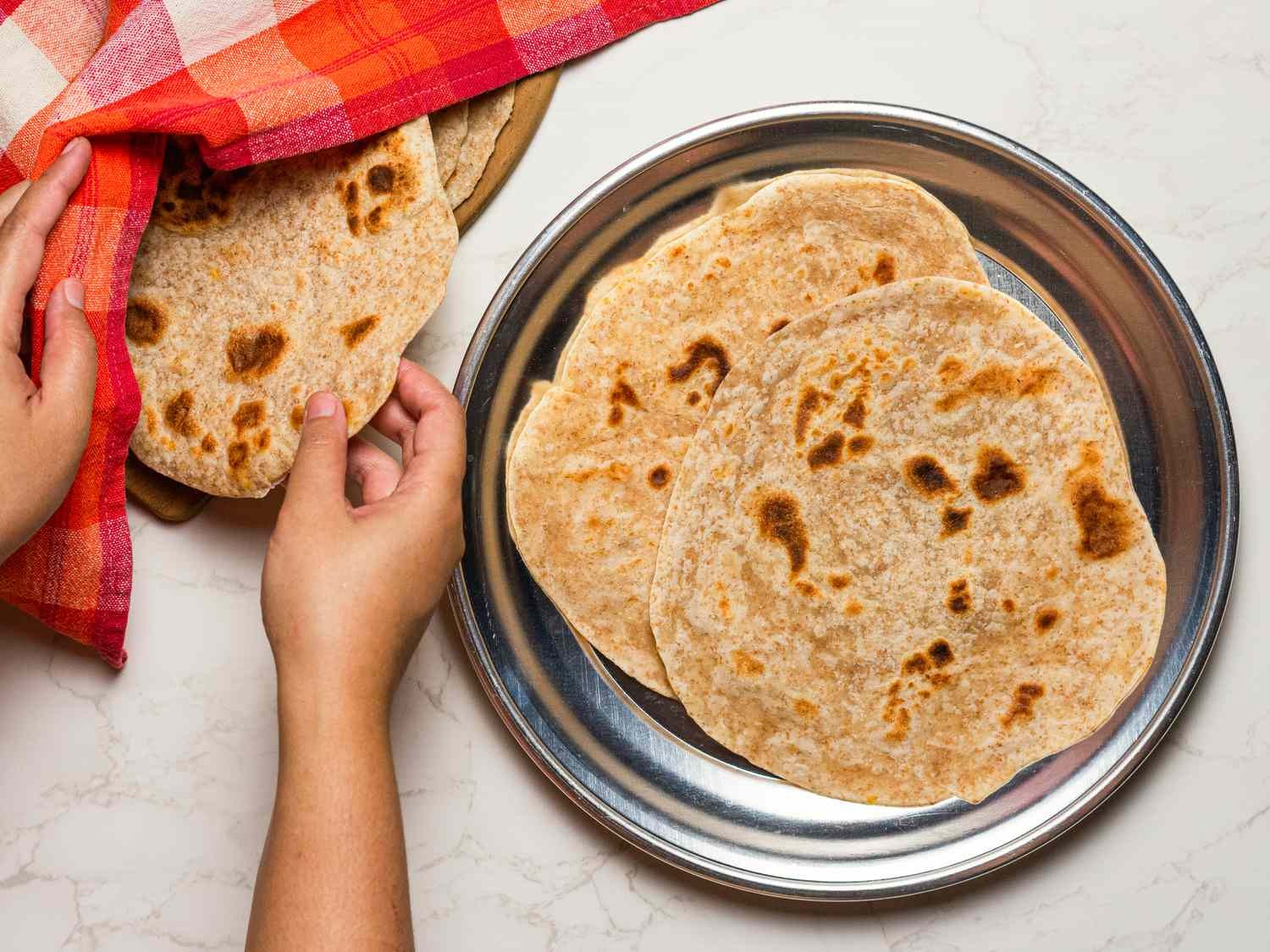
Kenyan chapati, the soft, savory flatbread beloved across East Africa, is more than just a side dish—it’s a culinary tradition. While the basic method seems simple—mix dough, rest, roll, cook—achieving the signature pillowy texture and flaky layers requires technique. This guide breaks down the process, drawing on generations of family expertise to deliver authentic results.
Kenyan vs. Indian Chapati: A Subtle but Important Difference
The name “chapati” stems from the historical Indian influence on Kenyan coastal cuisine, dating back to the late 19th-century influx of immigrants. However, Kenyan chapati differs from its Indian counterpart. It’s closer to a thinner paratha, featuring similar flaky layers but with less fat. This reduction ensures a tender, soft result rather than a crispy one.
The Keys to Flaky Layers
The hallmark of excellent Kenyan chapati is its delicate, layered texture. This is achieved through lamination —incorporating fat (lard, butter, or oil) into the dough to create distinct layers. While any of these fats work, neutral-flavored oil is preferred to showcase the flour’s natural taste.
“The goal isn’t just to make bread; it’s to replicate a feeling—the warmth of a family meal, the comfort of tradition.”
Choosing the Right Flour for Authentic Flavor
In Kenya, finely milled whole-wheat flour (Atta mark 1) is standard. Avoid “chapati flour” blends, which often include barley or chickpea flour. Since this flour is hard to find outside Kenya, a mix of all-purpose and whole-wheat works best: 3.5 parts all-purpose to one part whole-wheat. This ensures proper hydration and maintains that signature earthy flavor.
The Milk Secret: Tenderizing the Dough
Many Kenyan families, including those of Maasai heritage, add milk to the dough alongside water. The fat, sugar, and proteins in milk reduce gluten development, resulting in a softer texture. A 2:3 ratio of water to milk strikes the right balance.
Hydration is Critical: Kneading for Success
Proper hydration is crucial. If the dough seems dry after adding liquid, knead in one tablespoon of water at a time until no flour remains. Under-hydrated dough leads to toughness.
Cooking Like a Pro: Pan and Oil Selection
Traditionally, a jua kali pan (a flat skillet) is used for cooking, allowing cooks to flip the chapati confidently by hand. A large, seasoned cast-iron skillet is a great alternative. Use just a thin film of oil to prevent sticking—too much will fry the edges instead of keeping them soft.
A Communal Affair: Sharing the Tradition
Kenyan cooking is often a social event. Chapati-making can become a collaborative effort, with family members each taking on a role. Whether rolling, cooking, or washing dishes, the process is best enjoyed together.
The final result? Soft, flaky, and irresistibly delicious Kenyan chapati—a testament to simple ingredients and time-honored techniques. This isn’t just a recipe; it’s a connection to culture and family.