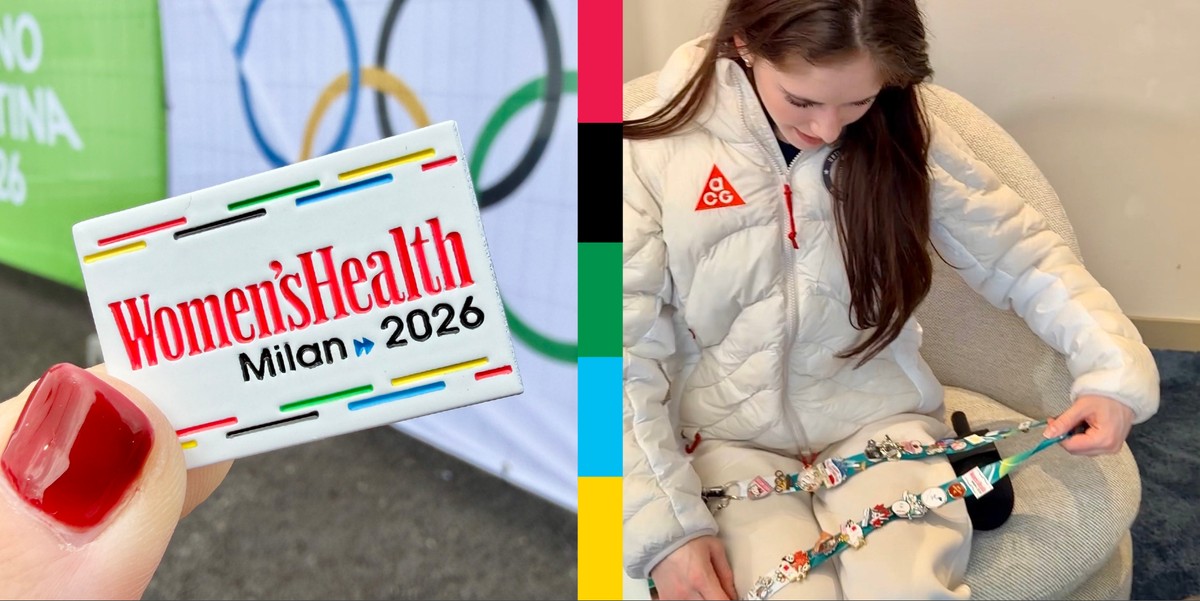
The Olympic Games are celebrated for athletic achievements, but a lesser-known tradition thrives alongside the competition: pin trading. What began as simple identification badges in the late 19th century has evolved into a beloved subculture, where athletes, staff, and fans exchange collectible pins as tokens of connection and friendship. At the 2026 Milano Cortina Games, this practice is more vibrant than ever, drawing enthusiasts and sparking a friendly, unofficial competition of its own.
The History of Olympic Pins
The earliest Olympic pins were functional rather than collectible, used to distinguish athletes, judges, and officials. The first country-specific pins appeared at the 1908 London Games, but it was the 1924 Paris Olympics where the exchange of pins as symbols of camaraderie truly took root. By the 1982 Lake Placid Games, dedicated collectors formalized the tradition by forming the Olympin Collectors Club, aiming to preserve this unique aspect of the Olympic spirit.
The Rules and Etiquette of Trading
Pin trading isn’t just about acquiring rare designs; it’s about interaction and respect. While there are no official regulations, a set of unspoken rules has emerged over decades. Collectors are expected to display pins clearly, engage politely, avoid monopolizing trades, and refrain from expressing excessive eagerness for specific pins. The core principle remains fostering connections, not simply completing collections.
Why Pin Trading Matters
Pin trading transcends mere collecting. For athletes, it’s a low-pressure icebreaker that transcends language barriers and cultural differences. It allows competitors to connect on a personal level, fostering friendships that may outlast their Olympic careers. For volunteers and spectators, it’s a social activity that encourages interaction and creates a sense of community.
As American luger Sophia Kirkby explains, she uses her handmade pins to share her identity as both an athlete and an artist. “I love getting to meet people for a quick moment… and giving them something I made with my own hands. It’s such a cool feeling to create something and watch it bring people joy.”
The Modern Era of Pin Trading
Technology is now integrated into the tradition. At the 2026 Milano Cortina Games, Alibaba introduced an AI-powered pin-trading robot, allowing athletes to exchange pins using voice commands or gestures. Samsung smartphones preloaded with a pin-trading game further enhance the digital aspect of this analog hobby. Despite these innovations, the core appeal remains the same: a tangible, human-driven exchange that fosters connection in an environment otherwise dominated by competition.
Pin trading is a microcosm of the Olympic spirit, where shared interests and mutual respect outweigh national boundaries. It serves as a reminder that beyond the pursuit of gold medals, the Games are ultimately about building bridges and celebrating unity.