The distinctive aroma and flavor in your morning coffee don’t come naturally; they develop during the roasting process, as sugars and amino acids combine to create hundreds of volatile compounds. Unfortunately, these compounds are unstable. Once roasted, coffee begins to lose its freshness immediately, especially after the bag is opened. While safe to consume for a long time, coffee’s quality degrades rapidly due to air, moisture, heat, and light.
Why Freshness Matters
Understanding how these elements affect your beans is key to storing them correctly. The goal isn’t just about preventing spoilage but maximizing the flavor profile that the roaster intended. This matters because coffee staling isn’t just a matter of preference; it impacts the entire sensory experience. Fresh coffee delivers a brighter, more nuanced taste, while stale coffee can taste flat or even bitter.
The Best Storage Practices
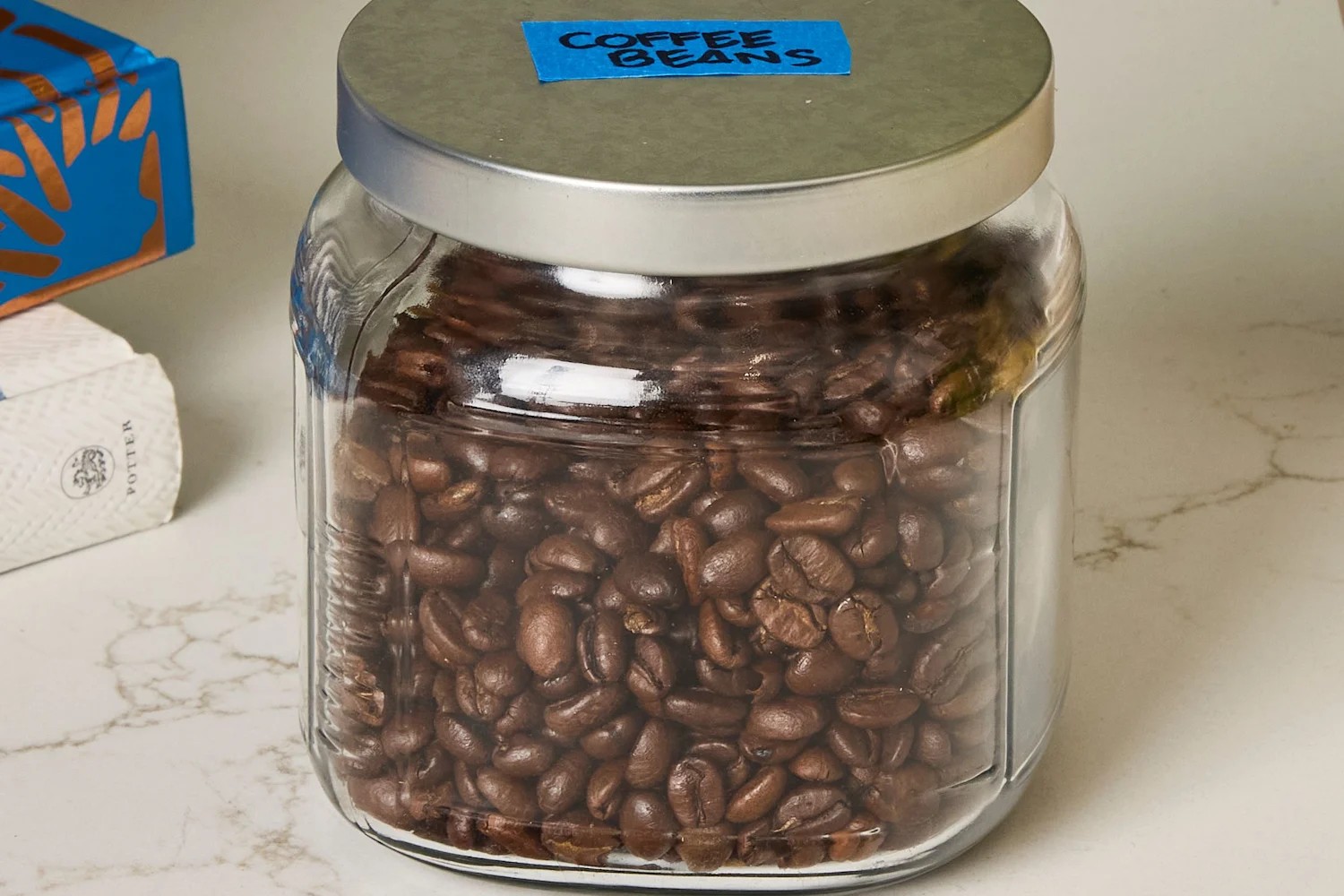
The ideal way to store coffee beans is simple: keep them airtight, cool, dark, and dry. Store them at room temperature in an opaque, airtight container with minimal extra space. If your coffee came in a bag with a one-way valve (allowing air to escape but not enter), you can use that, squeezing out excess air before sealing. Otherwise, transfer beans to an airtight container. Keep it away from heat sources like ovens and direct sunlight.
Freezing Coffee: Proceed With Caution
While freezing seems logical, it’s not ideal for daily use. Repeated temperature changes introduce condensation, and coffee beans are porous — meaning they can absorb off-flavors from the freezer. However, freezing can work for long-term storage (3–4 months). Divide beans into single-use or weekly portions, vacuum-seal them, and avoid thawing/refreezing.
Ground Coffee: Use It Quickly
Ground coffee stales much faster than whole beans because of increased surface area. Grind only what you need, and store leftovers in an airtight container for up to a week. The longer it sits, the quicker it loses its flavor.
Key Takeaways
- Coffee beans degrade primarily due to exposure to air, moisture, heat, and light.
- Whole beans stay fresh longer than ground coffee.
- Avoid storing coffee in the refrigerator or freezer for daily use.
- Use airtight containers and limit exposure to external elements to preserve peak flavor.
Following these simple guidelines will ensure that every cup tastes as fresh as possible. Coffee freshness isn’t just about taste; it’s about enjoying the full potential of your brew.