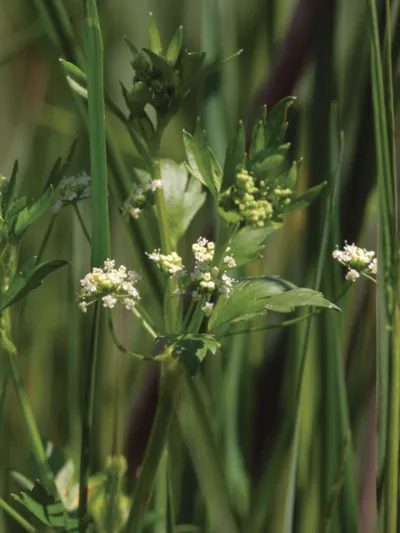
It smells intense. Sharp. Earthy. If you have ever brushed against a patch of wild herbs in a temperate zone, you likely know this scent. It is smallage (Apium graveolens ).
Often mistaken for common celery, this biennial herb belongs to the carrot family (Apiaceae). It thrives in damp, moist places across temperate regions. While we treat grocery store celery like background noise in our soups, smallage is different. It is strong. It is wild. And it has a history that goes far deeper than a salad bar.
Why Smallage Matters Beyond the Salad
You might wonder why a plant with such a pungent reputation deserves attention. The answer lies in its utility. For centuries, people have not just viewed it as flavoring but as a functional part of their daily lives.
The roots of smallage are traditionally used as a carminative. This means they help soothe the digestive tract. If you have ever felt bloated after a heavy meal, an ancestor might have reached for these roots to settle things down.
“Smallage roots serve as a carminative, while leaf stalks are brewed for soothing relief.”
The leaf stalks tell a different story. Instead of crunching them into a stir-fry, many cultures steep them in hot water. The result is a tea. It is gentle. It is calming. It bridges the gap between a kitchen ingredient and a medicinal staple.
How Smallage Differs from Store-Bought Celery
Is smallage the same as the celery you buy at the supermarket? Technically, yes. They are the same species. Practically, they are worlds apart.
Commercial celery (Apium graveolens var. dulce ) has been bred for years to be mild, crisp, and less bitter. It is water-heavy. Smallage is the wild ancestor. It is more aromatic. The flavor hits harder. It lingers longer.
When you use smallage as a flavoring similar to celery, you are getting a concentrated experience. A little goes a long way. It is not just a filler for texture. It is a statement.
Where to Find It
You will not likely find smallage in a standard supermarket produce section. It prefers moist places within temperate zones. Look near riverbanks, ditches, or wet meadows in Europe and other temperate climates. It grows erect. It stands out.
If you are foraging, be careful. The carrot family contains some deadly look-alikes. Hemlock is the most dangerous mimic. Always be 100% certain of your identification before consuming any wild plant.
The Practical Side for Modern Life
Why bring this up now? Because we are looking for real, grounded connections to what we eat. Not just convenience.
Using smallage connects you to a time when herbs were medicine. When flavor was a tool for health, not just pleasure. Whether you use the roots to aid digestion or the stalks to brew a calming tea, the effect is tangible.
It is about reclaiming potency. Reclaiming scent. Reclaiming the wildness that was bred out of our common vegetables.
Next time you see a patch of wild herbs by the water, pause. Smell it