Summer heat has a way of killing your appetite for heavy, hot meals. You crave freshness. You want something that feels good in your stomach but still tastes rich. That is exactly where olive oil dishes come in. They are the unsung heroes of the warm season.
These recipes are quick to prepare. They are also naturally aligned with healthy eating habits. You can serve them warm straight from the pot or let them cool down for a refreshing cold salad-style meal. The flavors are distinct and memorable.
Here are five special olive oil-based recipes to bring to your table. We are starting with a classic that never fails: olive oil green beans.
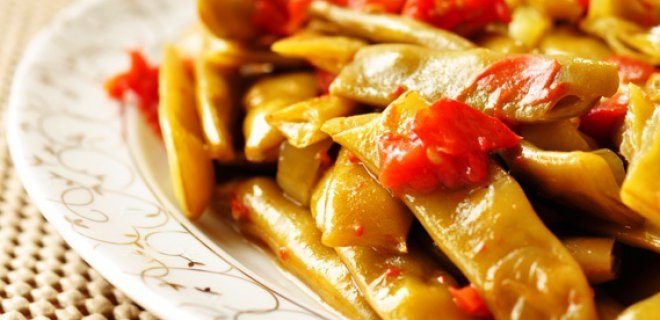
How to Make Olive Oil Green Beans
Fresh green beans are a staple on the dinner table. In the summer, you eat them often. Many of us remember our mothers preserving them in glass jars for the winter months. This tomato-based version is a favorite for that reason.
What you need:
- 1 kg of fresh green beans
- 2 dry onions
- 4 ripe tomatoes
- 1 tea glass of olive oil
- 1 glass of hot water
- Garlic
- 3 sugar cubes
- 1 teaspoon of salt
The ingredients list is short. This keeps things simple. But the technique matters.
The Step-by-Step Process
Start by heating your olive oil in a pot. It needs to be a good base.
Dice your onions finely. Add them to the oil and let them soften.
Wash your green beans and cut them in half. Layer them carefully. Put half of the beans over the onions.
Dice your tomatoes and spread them over the beans.
Now, layer again. Add more onions. Then, add the remaining green beans on top.
This layering method is key. It ensures every bean gets coated in flavor.
Add your sugar cubes, minced garlic, salt, olive oil, and hot water to the pot. Cover it.
Let it cook for 25 minutes. Do not rush this. The beans need to soften without falling apart.
Take the pot off the heat. Let the dish rest before serving. This resting period allows the flavors to meld together.
“Olive oil dishes are not just about the oil. They are about patience and layering flavors.”
Why do so many people prefer this method? Because it preserves the texture of the vegetable. You get a dish that is hearty enough for a main but light enough for a side.
This particular recipe works well for meal prep too. It tastes better the next day as the marinade settles. Have you tried layering your vegetables like this before? It changes the entire dynamic of the dish.
We will continue with the next four recipes in the coming days. Keep your pantry stocked. The summer is long.
How to Make Zeytinyagli Enginar Dolma for a Lighter Dinner
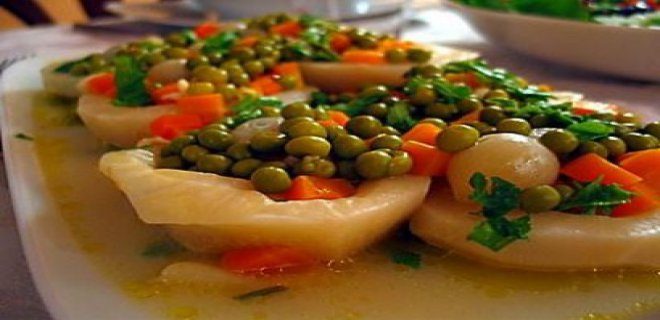
Enginar dolma isn’t just a side dish. It’s a comfort food staple in Turkish homes, and for good reason. The artichoke heart is tender, the filling is savory, and the olive oil binding everything together adds a richness that butter just can’t match. You don’t need a chef’s knife or a degree in culinary arts to nail this. You just need patience and the right ingredients.
Here is the no-nonsense guide to making zeytinyagli enginar dolma tarifi without the fuss.
Gathering Your Ingredients
Before you turn on the stove, lay everything out. Missing a step mid-cook is the fastest way to ruin the texture.
You will need:
* 6 artichokes – Look for ones that are tight, heavy for their size, and have green leaves. Squeezing them gently should make a slight cracking sound.
* 1 carrot
* 1 potato
* 1 cup of peas
* 1 onion
* 1 tablespoon of olive oil
* 1 lemon
* 1 teaspoon of salt
* 2 teaspoons of sugar
* 1 cup of water
The ratio here is simple. The sugar isn’t there to make it dessert; it balances the acidity of the lemon and the slight bitterness of the artichoke.
Prepping the Vegetables
Start with the hard stuff. The carrot takes longer to cook than the rest.
- Dice the carrot into small cubes.
- Throw them into a pot with enough water to cover.
- Let them boil for a few minutes.
- Add the diced potato.
- Once the potato is halfway soft, drop in the peas.
- Cook until everything is tender but not mushy. You want distinct pieces, not a puree.
- Drain the water completely. Set the vegetable mix aside.
This pre-cooking step ensures that when you stuff the artichokes, the filling isn’t raw in the middle. It also saves time during the final simmer.
Building the Flavor Base
Now, we build the sauce.
- Heat the tablespoon of olive oil in a clean pot.
- Dice the onion finely.
- Sauté the onions until they turn translucent, then slightly golden. This is where the flavor starts.
- Add the drained vegetable mix (carrot, potato, peas) back into the pot.
- Toss everything together for about 5 minutes. This melds the flavors.
- Remove the filling from the heat. Let it cool slightly so you don’t cook the artichokes prematurely when stuffing them.
Preparing the Artichokes
This is the part that scares people off. It’s not as hard as it looks.
- Snap off the tough outer leaves until you reach the tender, pale green inner ones.
- Cut off the top third of the artichoke.
- Trim the stem so the artichoke sits flat in the pot. If the stem is long
Why Port Orange Juice Changes the Game for Celery
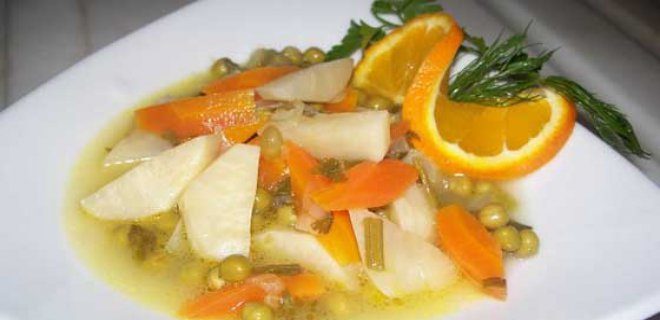
Most of us treat celery like background noise. It’s the crunch in a salad or the base for a soup, quiet and unassuming. But there is a Turkish dish that refuses to let celery hide in the shadows. It is zeytinyağlı portakallı kereviz. The magic happens when you introduce orange juice to the mix. The citrus cuts through the earthiness. It adds a brightness that regular water simply cannot achieve.
If you are looking for a dinner that feels light but tastes complex, this is your answer. The combination of olive oil and citrus transforms a humble vegetable into something memorable.
Here is what you need to get started. The ratio matters.
- 1 kg of celery
- 3 carrots
- 1 onion
- 1 potato
- 1 cup of orange juice
- 1 tea glass of olive oil
- 1 cup of water
- Salt
How to Build the Flavor Profile
Start with the pot. Add your olive oil and let it heat up gently. The goal here is not to fry aggressively but to release the aromatics.
Chop that onion. Small pieces. They need to soften completely before anything else hits the pan. Once they are translucent, add the vegetables. The carrots and potatoes should be diced, but do not go too small. You want them to hold their shape. They provide a creamy texture that contrasts with the celery’s snap.
Now, the celery. Wash it thoroughly. Slice it. Add it to the pot.
Here is where you deviate from the standard stew. Pour in the water and the orange juice. The acidity from the oranges will help tenderize the celery faster than just water would.
Add your salt. Some traditional recipes might suggest a pinch of sugar to balance the citrus, but start with just the salt. Let it simmer.
Twenty minutes is the sweet spot. You are not boiling this into mush. You are steaming it in its own juices and the citrus liquid. The celery should be tender but still have a bite.
Take it off the heat.
Do not rush this part. Let it rest. The flavors need time to marry. The oil, the citrus, the vegetables—they settle into a cohesive whole. When you serve it, it tastes like summer, even if it is cold outside.
Who knew celery could have so much personality?
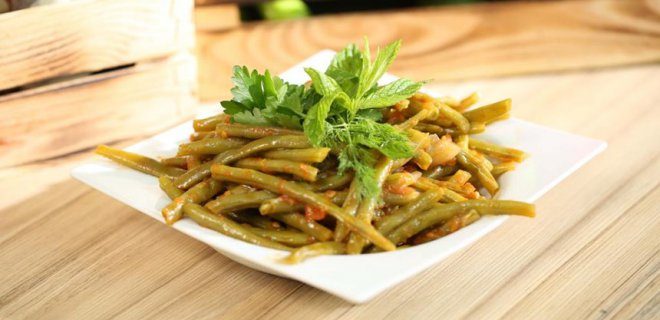
If you’ve ever wandered through the markets in Izmir or Bodrum, you know that börülce isn’t just a vegetable. It’s a cultural icon. But at home, making this dish can feel daunting. The beans look strange, almost alien, to the untrained eye. And if you don’t handle them right, they turn tough or bitter.
Here is how you make zeytinyağlı börülce tarifi (olive oil green beans) without the stress. This is the version that tastes like a Sunday afternoon in the Aegean. Quiet. Rich. Slightly tart.
The secret isn’t in complex techniques. It’s in the ratio of oil to vegetable, and the patience to let it rest.
what you actually need
You don’t need a fancy pantry. You need fresh ingredients that smell like the sea and the earth.
- 1 kg fresh börülce (green beans). If you can’t find them fresh, frozen might work, but the texture will suffer.
- 4 ripe tomatoes – the juicier, the better.
- 2 onions – yellow or red, your call.
- 2 cloves garlic – don’t skimp.
- 1 tea glass of olive oil – roughly 100-150ml. Use good stuff.
- Salt
- A pinch of sugar – this is the trick. It cuts the bitterness.
the process, broken down
Start by prepping the base. Chop your onions and garlic into small dice. You want them to disappear into the sauce, not stay chunky. Dice the tomatoes. Small cubes.
Heat the olive oil in a pot. Not high heat. Medium. When the oil shimmers, drop in the onions and garlic. Sauté until they are translucent. Sweet, not browned.
Now, the beans. Rinse them. Snap off the ends. Toss them into the pot. This is the kavurma step. You are toasting them slightly. It takes about five minutes. You want them to glisten with oil and lose that raw, grassy smell.
Add the tomatoes. Stir. Cover. Let the beans soften in their own steam and the tomato juices.
Add salt. Add the sugar. Add just enough water to cover the bottom of the pot, maybe half a cup. Not too much, or you’ll boil them into mush.
Cover and turn the heat down. Low and slow. Let it simmer for 20 minutes.
the waiting game
When the timer goes off, the beans should be tender but not falling apart. They should still hold their shape.
Here is where most people rush. They serve it hot.
Don’t.
Let it cool. Let it rest. The flavors meld when they are cold. The olive oil solidifies slightly, coating every bean in a silky film.
Before you plate it, drizzle a little more high-quality olive oil on top. Squeeze half a lemon over the whole pot. The acid cuts through the fat of the oil and the richness of the beans. It wakes up the dish.
why this matters
You might wonder why we spend time on something so simple.
It’s
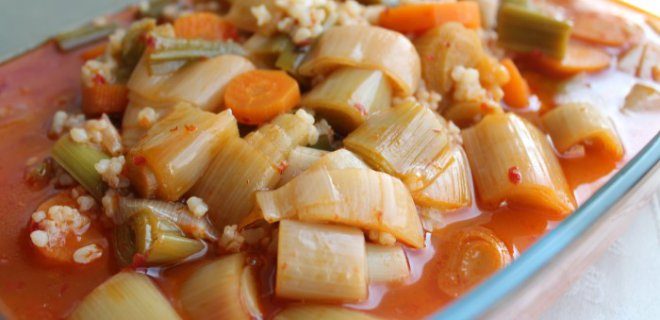
The Unsung Hero of Your Dinner Table: Why You Need Zeytinyağlı Pırasa on Repeat
Let’s be honest. Pırasa (leeks) often gets left behind in the produce aisle. Maybe it’s the prep work. Maybe it’s the memory of rubbery, overcooked greens from childhood. But that’s a mistake. If you haven’t tried zeytinyağlı pırasa, you are missing out on one of the most comforting, earthy, and genuinely healthy dishes in the Turkish pantry. It’s not just a side dish; it’s a mood stabilizer.
The beauty here isn’t in complexity. It’s in the interplay of textures and the clean finish of olive oil and lemon. Here is exactly how to make it without the stress.
The Exact Math for Flavor
You don’t need a complicated grocery list. Stick to these proportions for a perfect batch:
- 500g pırasa
- 2 carrots
- 1 tea glass of olive oil
- 1 tea glass of rice
- Half a lemon’s juice
- 1 teaspoon sugar
- 1 teaspoon salt
- 2 glasses of water
How to Prep Without the Hassle
Start with the washing. Leeks hold onto dirt like it’s their job. Slice them open, rinse thoroughly under cold water to get every grit out. Once clean, cut them into medium-sized pieces. Not too small, or they disappear. Not too large, or they stay raw in the middle.
Peel and halve your carrots. Yes, just halve them lengthwise. They add a subtle sweetness and a crunch that balances the softness of the leeks.
The Cooking Process: Patience Pays Off
Grab a pot. Pour in your olive oil. Let it get warm—don’t let it smoke. Toss in the carrots first. Sauté them for a minute or two until they start to soften and release their aroma. This is where the flavor foundation is built.
Now, add the leeks. Stir. Let them cook down slightly so they absorb that olive oil. It takes about two minutes. You want them to wilt, not brown.
Here is the trick for the perfect texture: Add the rice, the sugar, the salt, the lemon juice, and the water. Stir gently to combine everything. Cover the pot and let it simmer.
20 minutes. Do not peek. Do not stir. Just let the steam do the work.
The Finish: Rest and Refresh
When the timer goes off, turn off the heat. Do not serve it immediately. This is the step most people skip, but it’s the most important. Let the pot sit, covered, for about five to ten minutes. The rice finishes absorbing the last bit of moisture, and the flavors meld.
Uncover it. Give it a gentle fluff with a fork. Squeeze a little more fresh lemon juice over the top if you like it bright. Serve it warm or at room temperature.
Why This Works for Modern Women
There’s something satisfying about a dish that requires minimal effort but delivers maximum comfort. You’re not chopping endlessly. You’re not monitoring seven different pots. You’re making something that nourishes your body with fiber and healthy fats while feeding your soul with simple, clean ingredients.
The quiet power of a shared table
It isn’t just about the food. It’s about the space between bites. The pause where conversation dips and then picks back up, lighter. In Turkish culture, Afiyet Olsun is more than a phrase to say before or after eating. It’s a wish for health. A blessing that the nourishment you just consumed will sustain you.
This concept wraps around everything in a household. The way a mother-in-law might insist on adding extra olive oil to a salad. The way a partner learns to recognize the specific clink of a spoon against a ceramic bowl that signals the meal is done. These small rituals accumulate. They become the texture of daily life.
Beyond the recipe
You don’t need a complicated dish to create this atmosphere. A simple plate of yogurt and cucumber can feel luxurious if you’re seated without phones. If you’re actually looking at the person across from you. The focus shifts from consumption to connection.
When you invite someone to share a meal, you’re offering time. Real time. Not the fragmented minutes between scrolling and sleeping. You’re saying, I have this moment. And I want you in it. That’s a rare commodity these days.
How to start the practice
- Set the screen aside. Leave it in another room. The glow is distracting. The noise is unnecessary.
- Keep it simple. You don’t need to cook a feast. Leftovers work. Store-bought bread works. The effort isn’t the point.
- Say the words. Try Afiyet Olsun. Or just Enjoy. It sets a tone of gratitude. It reminds everyone that this is a break. A pause in the rush.
Why it lingers
There’s a reason this tradition survives. It anchors us. In a world that prioritizes speed and efficiency, slowing down to eat is an act of resistance. It’s a reminder that we are biological creatures who need fuel and community. Not just data and deadlines.
The memory of a meal fades faster than the feeling of being seen. Did you eat well? Yes. Did you feel heard? That’s what sticks.
So next time you sit down, look up. Take a breath. Say the words. Let the moment stretch.