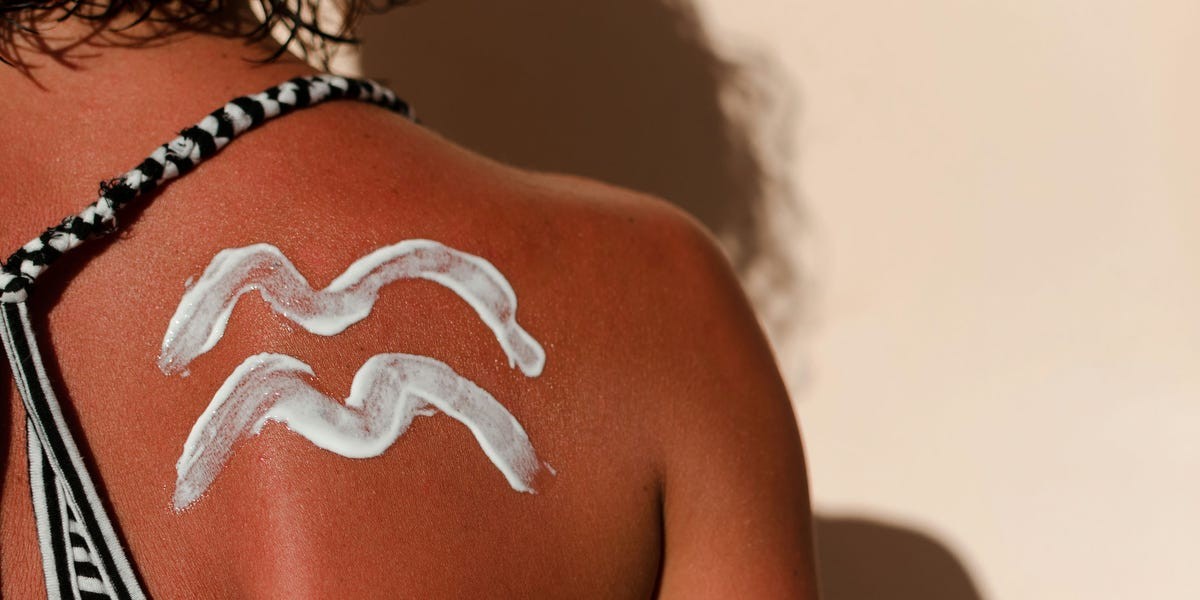
Summer is here. You go outside. You burn.
Social media turns this minor inconvenience into an existential crisis. The latest TikTok trend labels any sun-induced redness a “life-changing sunburn.” Viewers descend on comments sections like vengeful angels, urging strangers to rush to a dermatologist. They scream that casual pinkness is a one-way ticket to early death.
It is exhausting. It is inaccurate. It is fear-mongering.
Sure, sunlight is good. Vitamin D helps bones. Circadian rhythms love the morning light. But UV radiation is also a double-edged sword. Too much exposure without protection ages skin and increases cancer risk. Fifty-seven percent of Americans wear sunscreen, yet a third still got burned last year. The internet takes this statistic and twists it into a siren song of doom.
Let’s talk to the actual doctors. Dr. Ilana Wyles from Mayo Clinic and Dr. Axel Delgado in Puerto Rico have seen it all. Their message?
There is no such thing as a “safe” sunburn. Ever.
But labeling every blistering redness as “life-altering” creates unnecessary panic. Dr. Wyles puts it plainly. Conflating risk education with alarmist messaging helps no one. We need nuance, not noise.
What actually happens?
The term “life-changing sunburn” has no medical basis. It is not a diagnosis. It is just internet slang.
The scary part is the grain of truth mixed in. Five severe blistering sunburns in your teens can spike melanoma risk by eighty percent. Every burn accumulates DNA damage. It matters. Protecting skin is essential.
But does one burn rewrite your destiny? Dr. Delgado says no. If you manage it at home, you probably do not need an immediate appointment. Doctors categorize burns by severity, not by existential weight.
First-degree burns
This hits only the top layer of skin—the epidermis.
Signs are simple. Redness. Pinkness. Warmth. Mild swelling. No blisters. After a few days, the skin peels. It looks like dry paper flakes falling off a winter sidewalk.
Treatment is basic. Stay out of the sun. Cool down. Take a lukewarm shower to stop heat damage. Keep it moisturized with fragrance-free creams. Aloe vera helps. So does colloidal oatmeal. Drink water. Your body is dehydrated.
Pain means inflammation. Take ibuprofen. Maybe a thin layer of 1-percent hydrocortisone cream.
Do not use numbing agents with benzocaine. They irritate. They make things worse. Avoid them.
Second-degree burns
These reach deeper. Into the dermis.
They hurt. Significantly. You might see blisters. The skin can look shiny or wet. Healing takes three weeks. Scars can remain.
Treat these similarly to first-degree burns, with one critical exception. Do not pop the blisters. Dr. Wyles notes they exist for a reason. They protect underlying tissue from infection.
If a blister breaks naturally, wash it gently with soap and water. Apply petroleum jelly to seal moisture.
Seek professional help if blisters cover a large area. If they appear on the face, hands, genitals. Or if you simply feel overwhelmed. Go to the doctor.
Sun poisoning?
It is not a third degree. Not medically speaking.
Third-degree burns damage muscle and fat. Extremely rare for casual summer fun. What people call “sun poisoning” is usually a severe reaction to prolonged exposure. It comes with systemic symptoms.
Nausea. Vomiting. Fever. Chills. Dehydration. Confusion. Severe headache.
Certain medications make this more likely. Antibiotics. Antihistamines. Cholesterol drugs. The list is long. The FDA warns about it. If you experience these internal symptoms after sun exposure, treat it as a medical emergency. Go to urgent care. Go to the ER.
When should you actually worry?
Never ignore a burn. It means your protection failed. Evaluate your habits. Change them next time.
Panic is counterproductive. One burn does not mean you have cancer. But some people need extra vigilance.
High-risk groups include:
- People with personal or family histories of skin cancer.
- Those with many moles or changing lesions.
- People on immunosuppressant drugs.
- Former tanning bed users.
- Individuals with a history of multiple severe burns.
These individuals should see a dermatologist regularly. Once a year. Maybe every three months if the risk is higher. Self-exams are crucial once a month for past survivors.
For average folks, guidelines are murkier. The USPSTF says there is not enough evidence to mandate annual screenings for low-risk adults. Dr. Delgado disagrees with the passivity. He suggests an annual visit anyway. The skin is your largest organ. Check it. Just like your heart. Just like your blood pressure.
Better defense than sunscreen
Most people apply half the needed sunscreen. This defeats the purpose.
Apply enough. Two fingers’ width for the face. A shot glass full for the body. Four ounces last eight hours of proper reapplication. Use it up. Buy more.
Shade works. Avoid peak hours. 10 AM to 2 PM are dangerous. Hats help.
Wear UPF clothing. Fabric with a rating of 50 blocks ninety-eight percent of UV rays. It does not need reapplication. It is passive protection. Wear it.
The bottom line
TikTok wants you scared. It wants you to believe that slight shoulder redness is a death sentence. It is not.
A blister on the back and a pink neck are not equivalent catastrophes. Treating them as such creates noise.
But pay attention. A burn is a signal. It says you were exposed too long. It asks you to try harder next time.
Balance is hard to find in the algorithmic feed. Dr. Delgado sums it up nicely. Public health needs to educate without causing alarm. That is the goal.
Can you achieve perfect protection? Probably not. But you can try. 🌞