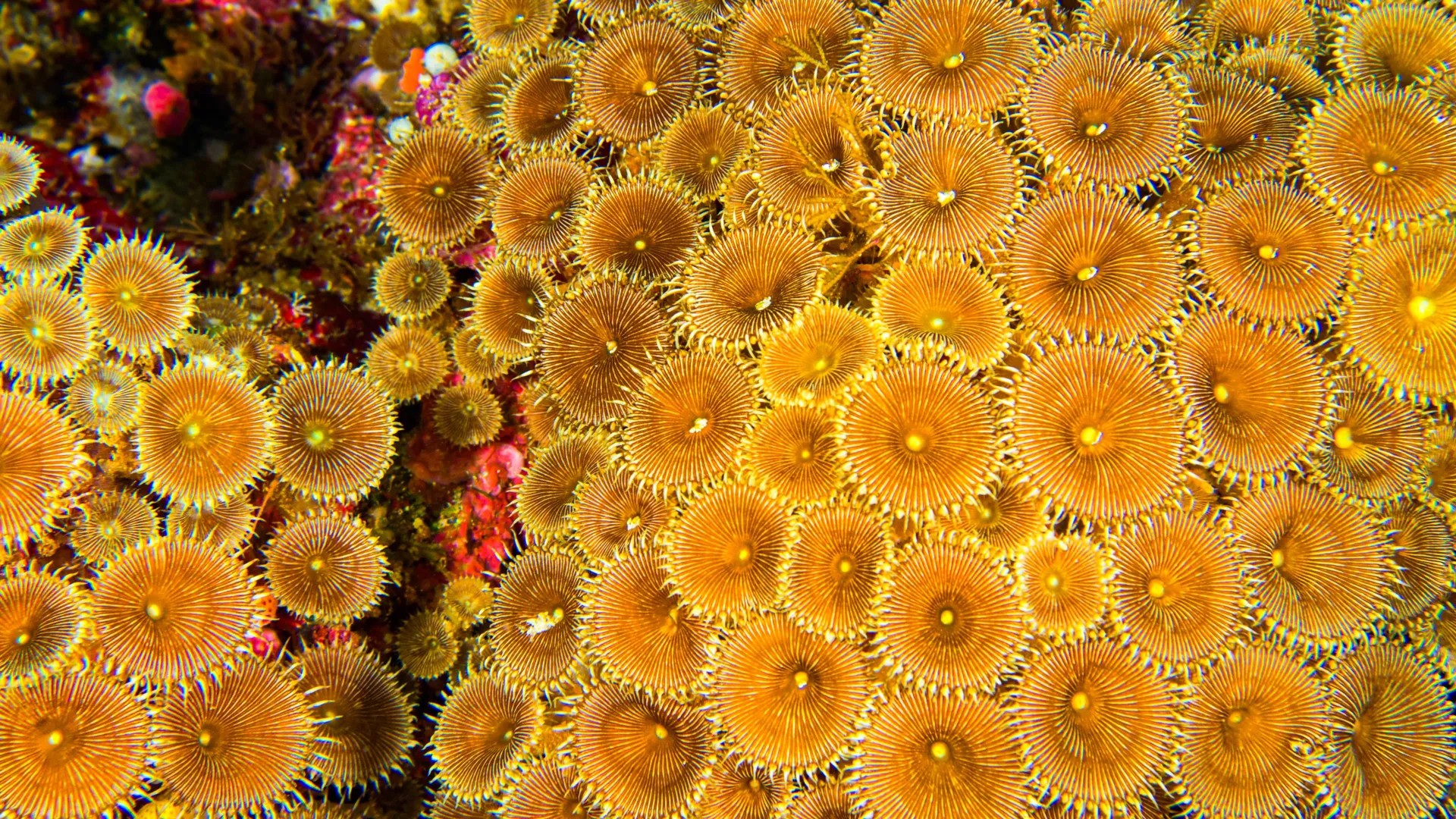
A groundbreaking study published in Nature has revealed that coral reefs harbor a vast, previously unknown world of microscopic life with profound implications for medicine and biotechnology. Researchers, including scientists from the University of Galway, discovered that these marine ecosystems are not just home to visible fish and plants, but also to a dense network of microbes producing unique chemical compounds.
Key Insight: The loss of coral reefs represents more than an ecological tragedy; it is the destruction of a “molecular library” containing genetic blueprints for future medical breakthroughs.
The Invisible Engine of Reef Health
Coral reefs are frequently dubbed the “rainforests of the sea” because they support approximately one-third of all marine life. They are critical biodiversity hotspots that drive tourism and nutrient cycling in ocean ecosystems. However, this visible diversity is only the tip of the iceberg.
The true engine of reef health lies in the microbiome —a complex community of bacteria, archaea, fungi, viruses, and algae living on and within coral tissue. Together, the coral host and its microbial partners form a holobiont, a tightly integrated system essential for survival. While the visible coral structure attracts attention, it is this invisible microbial layer that drives many of the reef’s biological functions, including the production of bioactive compounds.
A Global Survey Reveals Unknown Genetics
To map this hidden world, researchers leveraged the Tara Pacific consortium, a global initiative studying ocean changes under climate pressure. The team analyzed microbiome samples from 99 coral reefs across 32 Pacific islands, a region holding about 40% of the world’s coral reefs.
The scale of discovery was staggering:
* Scientists reconstructed the genomes of 645 microbial species.
* More than 99% of these species had never been genetically described before.
* The study identified a wider range of biosynthetic gene clusters —the genetic instructions for creating natural compounds—than recorded anywhere else in the ocean.
These microbes are highly specialized partners. Many act as chemical factories, producing bioactive compounds that influence biological processes. These substances hold significant potential for new drugs, antibiotics, and industrial enzymes.
Bridging the Knowledge Gap
Despite these findings, a massive gap remains in scientific understanding. Dr. Maggie Reddy of the Ryan Institute at the University of Galway highlighted the extent of our ignorance:
“When we compared our findings with microbes found on other reef species, it became clear how little we still know. Of more than 4,000 microbial species identified, only 10% have any genetic information available, and fewer than 1% of the species found only in the Tara Pacific samples have been studied at all.”
This data underscores a critical trend: biodiversity surveys are severely lacking, particularly in under-studied regions. As climate change accelerates, the window to catalog these organisms before they disappear is closing rapidly.
Reefs as a “Molecular Library”
The research reframes conservation efforts. Traditionally, reef protection focuses on visible species like fish and corals. However, this study argues that reefs are also libraries of chemical diversity.
Professor Olivier Thomas of the Ryan Institute noted that the biosynthetic potential of coral microbiomes rivals or surpasses that of traditional sources like sponges. Among the newly identified bacteria, including unknown microorganisms such as Acidobacteriota, researchers found enzymes with exciting applications in biotechnology.
“The research is a clear call to action to protect our coral reefs — not just because of their value as a unique ecosystem — but to preserve the unique chemical diversity poised to enable future scientific breakthroughs,” said Professor Thomas.
Future Expeditions and Resilience
This collaborative effort brought together researchers from the Marine Biodiversity Lab at the Ryan Institute (led by Dr. Reddy and Professor Thomas) and ETH Zurich. The work builds on samples collected during the Tara Pacific expedition between 2016 and 2018, providing one of the most detailed maps of coral microbiomes to date.
Looking ahead, the team is preparing for the Tara Coral expedition in Papua New Guinea this June. Supported by the Tara Foundation, this mission aims to:
1. Gather new samples from diverse reef environments.
2. Investigate why certain reef-building corals show greater resilience to climate change.
3. Further explore the link between microbial diversity and coral survival.
Conclusion
The discovery that coral reefs house a unique and largely unexplored microbial world transforms our understanding of their value. Protecting these ecosystems is no longer just about saving visible marine life; it is about preserving a vital source of genetic innovation that could revolutionize medicine and biotechnology. As climate pressures mount, the urgent task is to catalog and protect this hidden diversity before it is lost forever.