A Wyoming District Judge has issued a temporary restraining order to block a new state law that prohibits abortions once embryonic cardiac activity is detected. The ruling comes as a significant legal pause in a high-stakes tug-of-war between the state legislature and the judiciary over reproductive rights.
The Legal Standoff
The decision, handed down by Natrona County District Judge Dan Forgey, halts the enforcement of the law while a lawsuit challenging its constitutionality moves through the courts. This is the first major ruling on abortion access in Wyoming since the state Supreme Court struck down broader, more sweeping bans earlier this year.
The current legal battle centers on a specific tension in Wyoming:
– The Legislature’s Position: Following the 2022 U.S. Supreme Court decision to overturn Roe v. Wade, Wyoming’s Republican-led legislature passed laws to restrict abortion, with the latest targeting the detection of embryonic heartbeats.
– The Judicial Position: The Wyoming Supreme Court previously ruled that such bans violate a 2012 state constitutional amendment, which guarantees competent adults the right to make their own healthcare decisions.
Judge Forgey indicated that the new law is likely to be overturned on these same constitutional grounds.
Impact on Healthcare Access
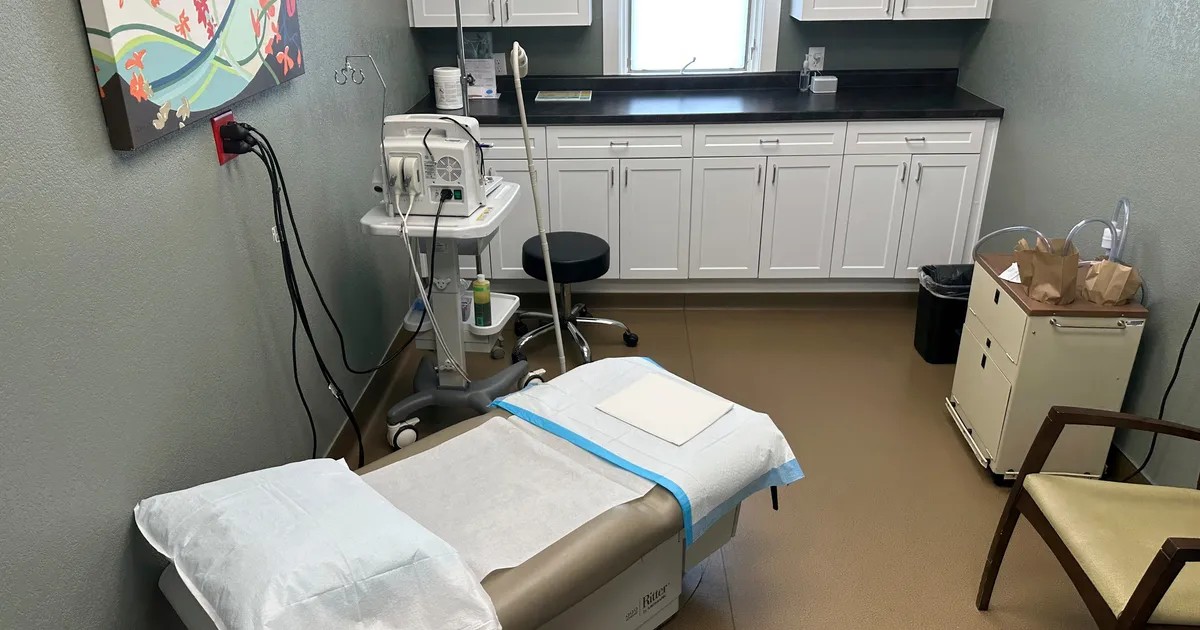
For providers on the ground, the legal uncertainty has created immediate practical hurdles. Wellspring Health Access, Wyoming’s only abortion clinic, has been among the primary challengers to the law.
“For nearly two months, this deeply harmful abortion ban has greatly reduced our ability to provide care to people in Wyoming,” said Julie Burkhart, President of Wellspring Health Access.
The timing of these bans is a critical factor in the debate. Laws that trigger at the detection of cardiac activity often take effect at roughly six weeks of gestation—frequently before many individuals realize they are pregnant. This creates a narrow window for medical intervention and complicates the delivery of reproductive healthcare.
The Broader National Trend
Wyoming’s struggle is a microcosm of the post-Roe landscape in the United States. Since the federal right to abortion was eliminated, the legal battleground has shifted from federal law to state constitutions.
The current landscape includes:
– 13 states currently enforcing near-total abortion bans.
– 4 states (Iowa, Florida, Georgia, and South Carolina) with bans triggered at six weeks or upon detection of cardiac activity.
Looking Ahead: Constitutional Amendments
Despite the judge’s ruling, Wyoming Governor Mark Gordon, a Republican, maintains that the state should be able to uphold the ban by proving a “compelling interest to protect human life.”
Rather than relying solely on legislative battles, the Governor has called for a new approach: a state constitutional amendment specifically targeting abortion, which would ultimately be decided by Wyoming voters at the ballot box.
Conclusion
This ruling temporarily preserves access to abortion in Wyoming, but the underlying conflict remains unresolved. The final outcome will likely depend on whether the state can successfully amend its constitution or if the courts continue to uphold existing healthcare privacy protections.