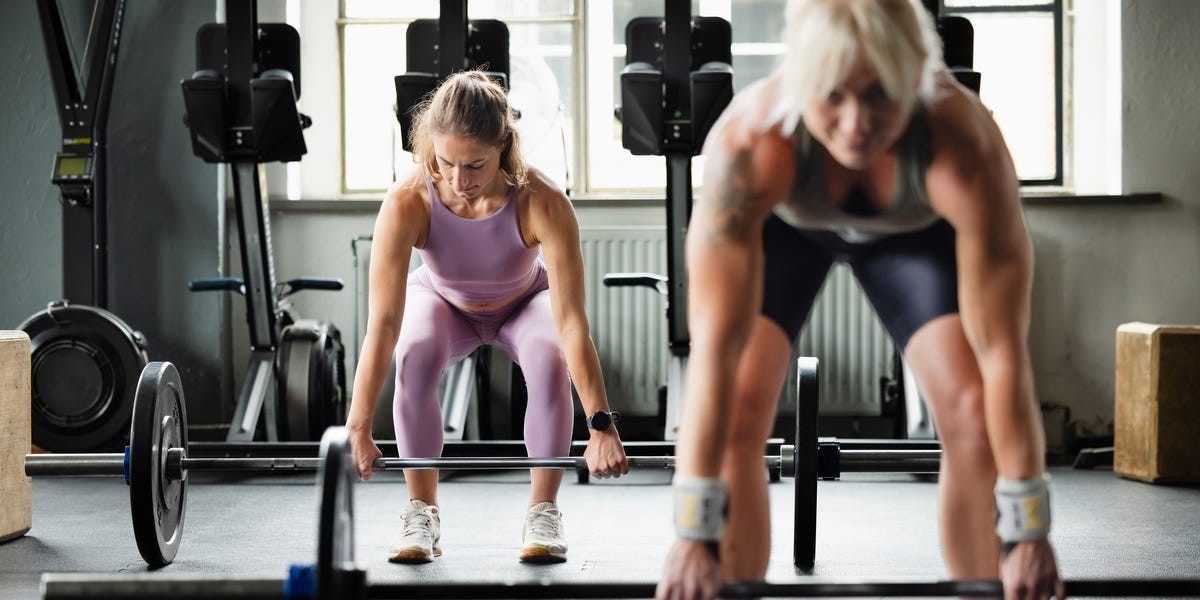
Staying strong and capable after age 50 isn’t just about fitness; it’s about building a body that supports independence and vitality for decades. While age-related muscle loss is a natural process, women experience an accelerated decline around menopause due to hormonal shifts. However, with the right approach, maintaining and even building muscle is entirely achievable – and your future self will thank you for it.
Why Muscle Matters as We Age
Sarcopenia, the involuntary loss of muscle mass, begins around age 30, accelerating as we get older. For women, this process speeds up during perimenopause and menopause due to declining estrogen levels. But muscle isn’t just about aesthetics; it’s fundamental to health. Strength training directly combats sarcopenia, preserving bone density, mobility, and overall well-being.
Beyond that, maintaining a higher muscle-to-fat ratio dramatically reduces the risk of chronic diseases like arthritis, diabetes, osteoporosis, high blood pressure, and obesity. Muscle burns more energy, stabilizes blood sugar, and supports a healthier metabolism.
Effective Strategies for Muscle Growth
To maximize results, consistency is key. A three-day-per-week resistance training routine is a solid starting point. The body needs consistent stimulus to adapt, especially during hormonal changes. Here’s how to approach it:
- Prioritize Key Muscle Groups : Focus on legs, back, and core as you build your routine.
- Rep Range & Sets : Aim for 6-12 reps per set, performing 3-5 sets with 60-90 seconds of rest between sets. Beginners should start with fewer sets and gradually increase.
- Progressive Overload : Choose a weight that makes the last one or two reps challenging but achievable with proper form. Gradually increase weight as you get stronger.
Sample Weekly Plan:
- Day 1 : Full-body workout (legs, back, core)
- Day 2 : Rest or low-impact recovery (walking, biking, stretching)
- Day 3 : Full-body workout (chest, shoulders, arms, core)
- Day 4 : Rest or low-impact recovery
- Day 5 : Full-body workout (legs, back, chest, core)
- Day 6 & 7 : Rest and active recovery
The Importance of Warm-Ups, Cool-Downs & Form
Before lifting, a 15-20 minute warm-up is crucial. Gentle movements like walking, stationary biking, or bodyweight exercises prepare muscles, reducing injury risk. Similarly, a 10-15 minute cool-down with stretching or foam rolling helps your body recover.
Proper form is non-negotiable. If you’re new to weightlifting, seek guidance from a qualified trainer to ensure correct technique and personalize a program for your fitness level. Start with bodyweight exercises to understand movement patterns before adding resistance.
Flexibility and Mindset
Flexibility declines with age, making stretching essential. Incorporate dynamic stretches (leg swings, arm circles) for 5-10 minutes before workouts, followed by static stretches (holding stretches for 20-30 seconds) after.
Mindset matters, too. Frame exercise as self-care, not punishment. Focus on building strength for a long, independent life, rather than chasing arbitrary goals.
Sample Workouts and Nutrition
To keep things engaging, try these workouts:
- 10-minute abs workout
- 15-minute back and biceps workout
- 20-minute upper-body dumbbell workout
- 20-minute full-body kettlebell workout
Nutrition is just as important. Aim for 25-30 grams of protein per meal to support muscle repair and growth. Without adequate protein intake, your workouts will be far less effective.
Building muscle after 50 requires dedication, but the rewards are immeasurable. A strong body translates to a stronger, more independent, and healthier future.
This is not just about looking good; it’s about living well for years to come.