For many, the word “cardio” conjures images of relentless running and heavy pounding on pavement. However, high-intensity aerobic exercise isn’t the only—or even the most efficient—way to improve cardiovascular health and burn calories. For those looking to build a long-term fitness habit, low-impact cardio offers a strategic alternative that prioritizes joint longevity and injury prevention.
Understanding the Low-Impact Approach
The primary goal of low-impact exercise is to elevate the heart rate and stimulate muscle engagement while minimizing the “shock” to your joints. Unlike high-impact activities (such as sprinting or jumping), low-impact movements ensure that at least one foot stays on the ground or that the body is supported by a machine or mat.
Why this matters for long-term success:
* Reduced Injury Risk: By avoiding repetitive, high-force impacts, you lower the likelihood of acute muscle injuries and joint inflammation.
* Muscle Balance: These routines often focus on controlled movements, which help correct muscle imbalances that often arise from repetitive, high-intensity motions.
* Sustainability: Because these workouts are less taxing on the central nervous system and joints, they are easier to integrate into a daily routine without the rapid burnout often seen in high-intensity programs.
Diverse Options for Every Fitness Level
Low-impact training is far from monotonous. A well-rounded routine can draw from various modalities depending on your environment and personal preference:
1. Gym-Based Machine Workouts
Utilizing specialized equipment allows for precise control over intensity.
– The Elliptical: Provides a smooth, gliding motion that mimics running without the impact.
– Stationary Cycling: An excellent way to build endurance while keeping the weight off your joints.
2. At-Home and Mat-Based Routines
You don’t need a gym membership to see significant caloric burn.
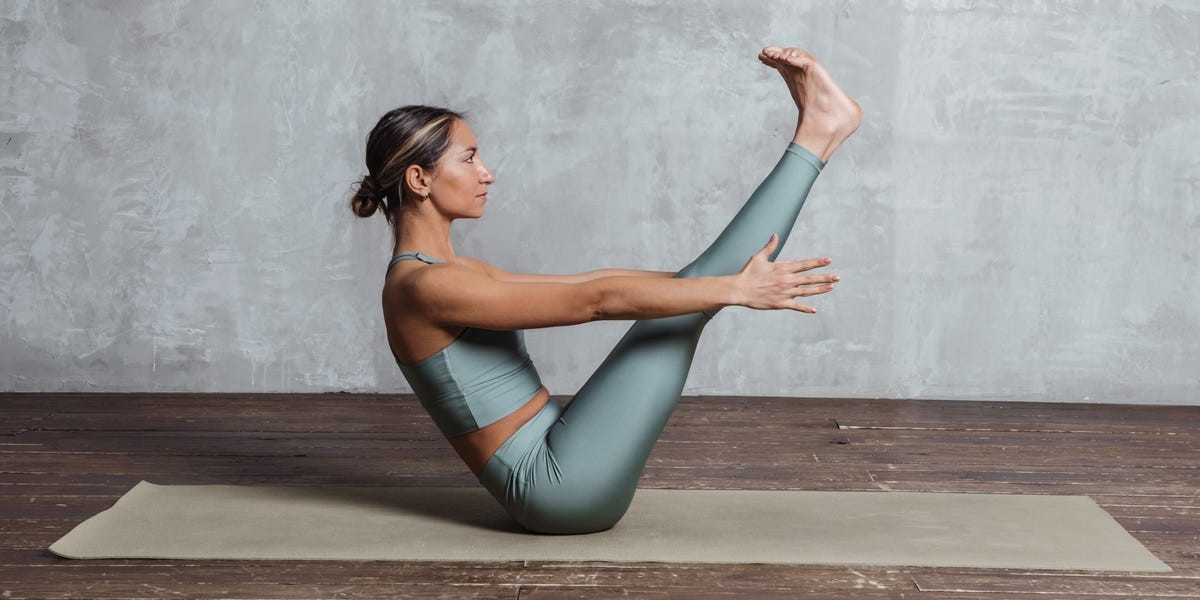
– Mat Workouts: Controlled, rhythmic movements can keep the heart rate in a steady aerobic zone.
– Pilates and Barre: These disciplines blend cardiovascular conditioning with strength training, focusing on core stability and muscle endurance through precise, repetitive motions.
3. Creative Group Classes
If motivation is a challenge, structured classes can provide the engagement needed to stay consistent. Many modern fitness trends are moving toward “functional” movement—exercises that improve how your body moves in everyday life—making