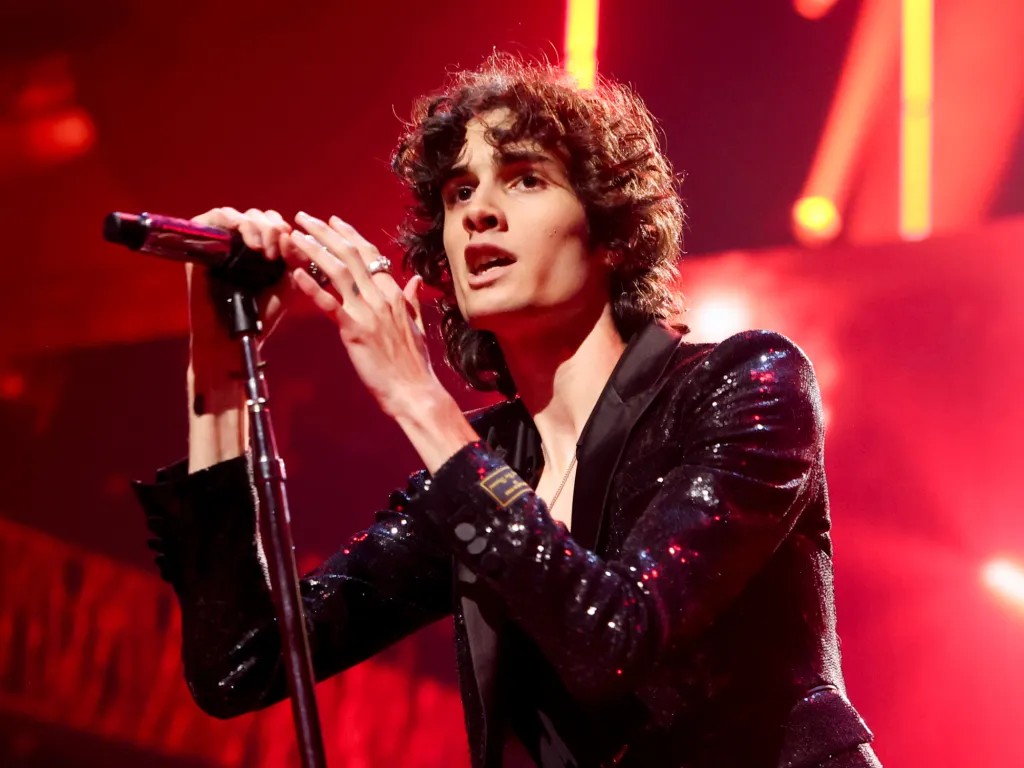
Sombr, the stage name of 20-year-old Shane Boose, has quickly become one of the most talked-about artists of his generation—and not always for the right reasons. Nominated for Best New Artist at the 2026 Grammys, his rise to fame has been meteoric, fueled by viral hits like “Back to Friends” and “Undressed” from his debut album, I Barely Know Her.
The artist’s appeal lies in his ability to tap into a predominantly teenage audience, blending Timothée Chalamet-esque looks with music tailored for TikTok snippets. This formula has drawn comparisons to earlier breakout acts like The Neighborhood and The 1975, who similarly leveraged digital platforms to connect with younger listeners. But Sombr’s ascent has also sparked intense backlash, highlighting a growing divide within Gen Z itself.
Controversy Erupts Over Explicit Content and Audience Dynamics
The controversy ignited in October when Megan Tomasic, a 25-year-old concertgoer, publicly criticized a Sombr performance in Washington D.C. She described the show as “brain rot on stage,” noting the artist’s frequent use of niche meme references and what she perceived as inappropriately explicit content. Tomasic claimed Sombr made vulgar references to sexual acts and even asked fans to “bark for me”—statements later verified in circulating TikTok videos.
These clips quickly went viral, fueling accusations that Sombr intentionally courts controversy and exploits his young fanbase. This debate touches on broader questions about the boundaries of artistic expression, the responsibilities of performers towards their audiences, and the normalization of explicit content in youth culture. Adding to the speculation, rumors circulated accusing Sombr of being an “industry plant” due to his rapid success and his parents’ connections within high-profile charity events.
Sombr’s Defiant Response and Generational Clash
Sombr responded to the backlash with a TikTok video that further polarized opinions. He dismissed Tomasic’s complaints, arguing that anyone attending his concert should expect a younger crowd. His unapologetic tone, laced with Gen Z slang (“skill issue”), underscored a generational clash between those who embrace irreverence and those who find it offensive.
The artist also downplayed the explicit jokes, claiming they were simply part of his “unserious” persona. While older observers remain largely unaware of Sombr’s cultural impact, the controversy has exposed a fault line within Gen Z itself. Younger fans (18-24) seem unfazed by the backlash, framing it as another instance of older generations misunderstanding their culture.
The Future of Gen Z’s Divisive Star
The debate over Sombr’s content and behavior reflects a deeper tension within Gen Z: the struggle between maintaining authenticity and avoiding exploitation. The artist’s future success hinges on whether he can navigate these conflicting expectations. His ability to continue pushing boundaries while retaining his fanbase will determine whether he cements his status as a cultural icon or fades into notoriety.
For Sombr, the controversy may ultimately be a catalyst for further growth. By doubling down on his unfiltered persona, he has tapped into a generation that prizes rebellion and authenticity above all else.