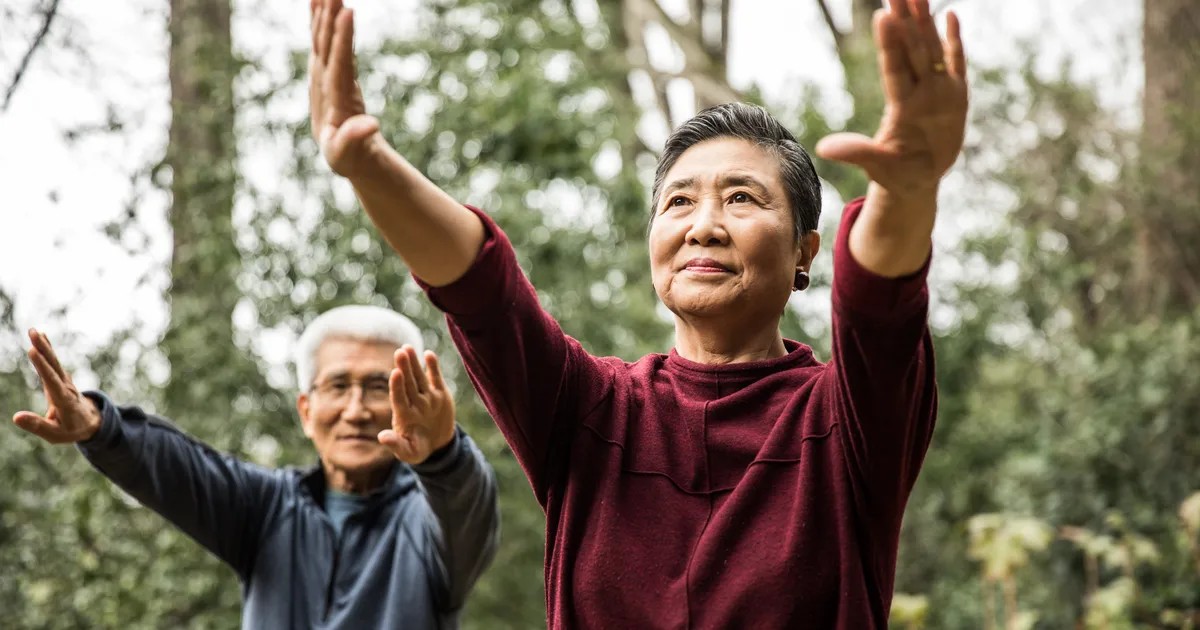
Aging well isn’t about luck; it’s about deliberate action. While diet and exercise are fundamental, geriatricians emphasize that thriving in later life demands a holistic approach. This means nurturing physical health, emotional connections, and mental engagement – all intertwined.
Here are seven key indicators that someone is aging well, backed by insights from leading medical professionals. These aren’t just lifestyle tips; they’re the foundations of a fulfilling, healthy life as we get older.
Lifelong Learning Keeps the Mind Sharp
As we age, formal education often fades, making proactive learning crucial. Cognitive decline isn’t inevitable; it’s often a result of disuse. Dr. Parul Goyal of Vanderbilt Health recommends actively stimulating the brain – whether through a new skill, game, language, or instrument. This builds neural pathways, maintaining cognitive strength.
Honest Self-Advocacy is Non-Negotiable
Many struggle with aging gracefully because they avoid acknowledging their needs. Robyn Golden, of Rush University Medical Center, notes that societal ageism often silences those who need help. Being upfront about loneliness, depression, or physical limitations isn’t weakness; it’s essential. Untreated mental health issues don’t magically disappear with age; they require care just like any other condition.
Community is Your Social Lifeline
Loneliness is a growing epidemic, especially among older adults. The surgeon general has declared it a public health crisis, exacerbated by events like the COVID-19 pandemic. Isolation isn’t just emotionally damaging; it actively harms brain health. Active social connections – whether through family, friends, volunteering, or hobbies – are vital for stimulation and well-being.
Prioritize Physical Health, Always
Nutrition, exercise, and hydration remain cornerstones of healthy aging. Experts recommend a diet blending Mediterranean and DASH principles – rich in fruits, vegetables, whole grains, and lean protein. Avoiding prolonged inactivity is critical. Fear of falling shouldn’t paralyze movement; rather, it should prompt strength training, balance exercises, or physical therapy.
Pursue Joyful Activities
Engaging in hobbies and passions isn’t frivolous; it’s a core component of aging well. Boredom is a warning sign. Chronic illness is a reality for many, but it doesn’t preclude enjoyment. Whether it’s travel, cooking, or family time, finding activities that bring fulfillment keeps life vibrant.
Regularly Review Your Medications
Prescriptions from decades ago may no longer be necessary or even safe. Dr. Lee Lindquist of Northwestern Medicine emphasizes the importance of “de-prescribing” unnecessary drugs. Bodies change; medications should be re-evaluated regularly with a physician to ensure they still serve a purpose.
Plan for the Future, Not Just the End
Proactive future planning isn’t about preparing for death; it’s about retaining control. Discussing healthcare preferences, living arrangements, and financial matters with loved ones ensures your wishes are respected. This isn’t a morbid exercise; it’s a practical step toward maintaining dignity and autonomy as you age. Resources like Plan Your Lifespan (backed by the NIH) offer guidance.
Aging well isn’t about avoiding decline; it’s about maximizing vitality and control throughout the process. Starting these habits in your 30s and 40s, rather than waiting for later life, will make the journey smoother, happier, and healthier. The key takeaway is that chronological age is less relevant than how you feel —and that’s a choice within your power.