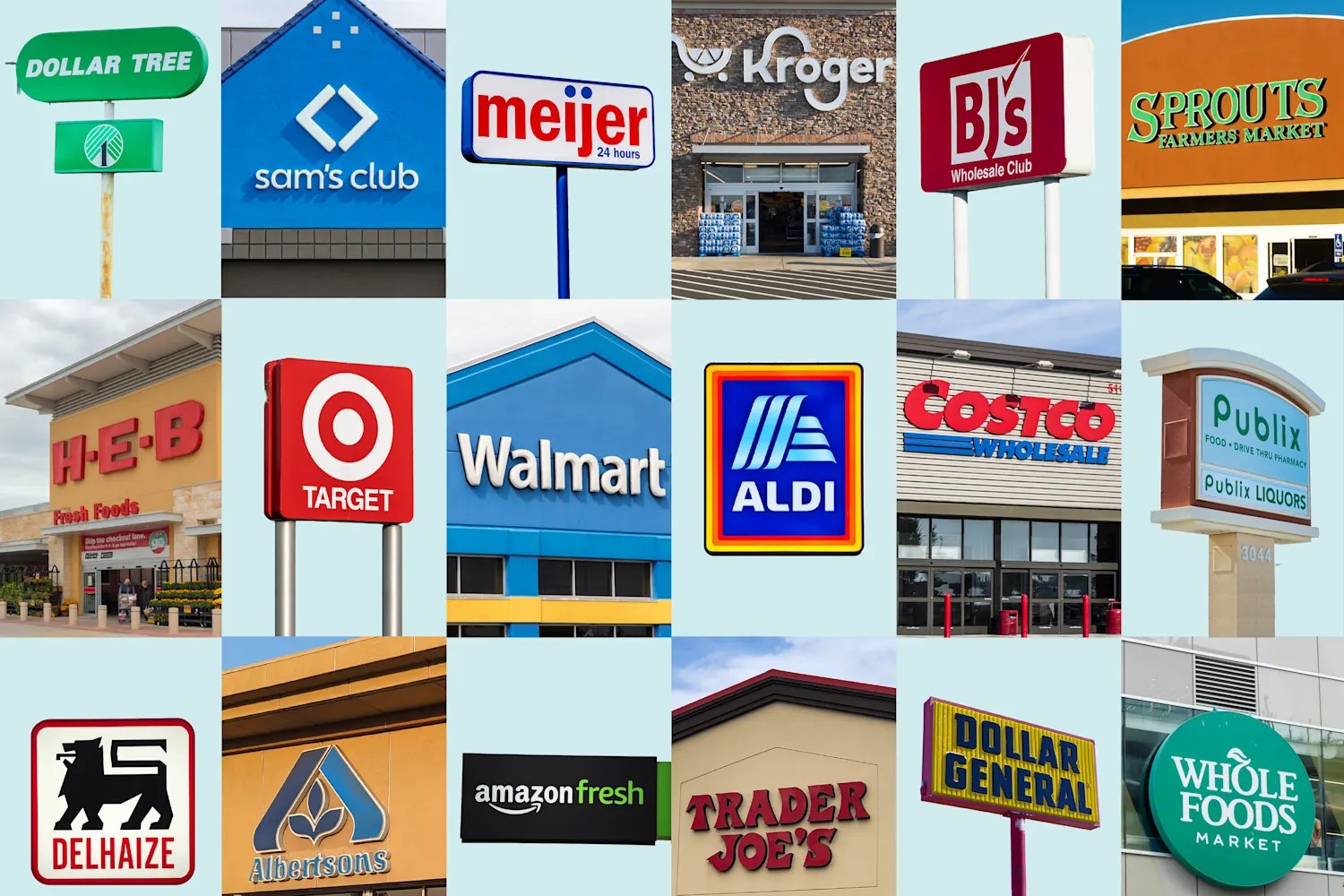
While grocery stores serve as essential pillars of American communities, the compensation for the people who keep them running—stocking shelves, scanning items, and preparing food—varies significantly across the industry. A recent analysis of 18 major grocery and wholesale chains reveals a wide spectrum of hourly wages, influenced by company models, job roles, and geographic locations.
Key Trends in Grocery Industry Compensation
The data highlights three distinct patterns that define how much retail workers earn in the current economic landscape:
- The Minimum Wage Buffer: Despite the federal minimum wage remaining stagnant at $7.25 since 2009, nearly all major national chains have set their starting wages higher. This shift is largely driven by local and state labor laws, which often mandate higher floors than the federal standard.
- Internal Pay Disparities: Wage ranges within a single company are often vast. This is typically due to the distinction between entry-level roles (cashiers and stockers) and specialized or management positions. Furthermore, “shift differentials”—extra pay for less desirable hours, such as overnight shifts—can significantly bump an employee’s hourly rate.
- The Warehouse Advantage: The wholesale model appears to be a more lucrative path for employees. Retailers like Costco, Sam’s Club, and BJ’s Wholesale Club consistently offer higher wages compared to traditional supermarket chains. Some even include perks like free memberships as part of their standard benefits package.
Comparative Hourly Wages by Retailer
The following breakdown shows the estimated hourly pay ranges for full-time employees across various major retailers. These figures are aggregated from official job postings, company career pages, and employee-reported data from platforms like Glassdoor and Indeed.
Wholesale and Large-Scale Retailers
These chains generally lead the industry in compensation:
– Costco: $20 – $30
– BJ’s Wholesale Club: $16 – $30
– Walmart: $14 – $37 (Average: ~$18)
– Sam’s Club: $16 – $22
National Grocery and Supermarket Chains
Wages in this category fluctuate based on the specific retailer’s business model and regional presence:
– Aldi: $18 – $26
– Amazon: $17 – $26
– Whole Foods Market: $16 – $25
– Sprouts Farmers Market: $15 – $24
– Target: $15 – $24
– H-E-B: $15 – $21
– Trader Joe’s: $14 – $22
– Ahold Delhaize: $13 – $27
– Kroger: $13 – $22
– Publix: $13 – $17
– Albertsons: $12 – $19
– Meijer: $12 – $17
Discount and Specialty Retailers
Smaller margins or different operational models often result in different pay scales:
– Dollar General: $12 – $24
– Dollar Tree: $10 – $19
Why This Matters
The disparity in wages suggests that “grocery work” is not a monolithic profession. An employee’s earning potential is heavily dictated by where they work (the retail model) and when they work (shift timing). As the cost of living continues to rise, the gap between entry-level wages and specialized roles remains a critical factor in how these essential workers maintain financial stability.
While most major retailers pay above the federal minimum wage, the significant variation between warehouse clubs and traditional supermarkets highlights a clear divide in how different retail models value and compensate their workforce.