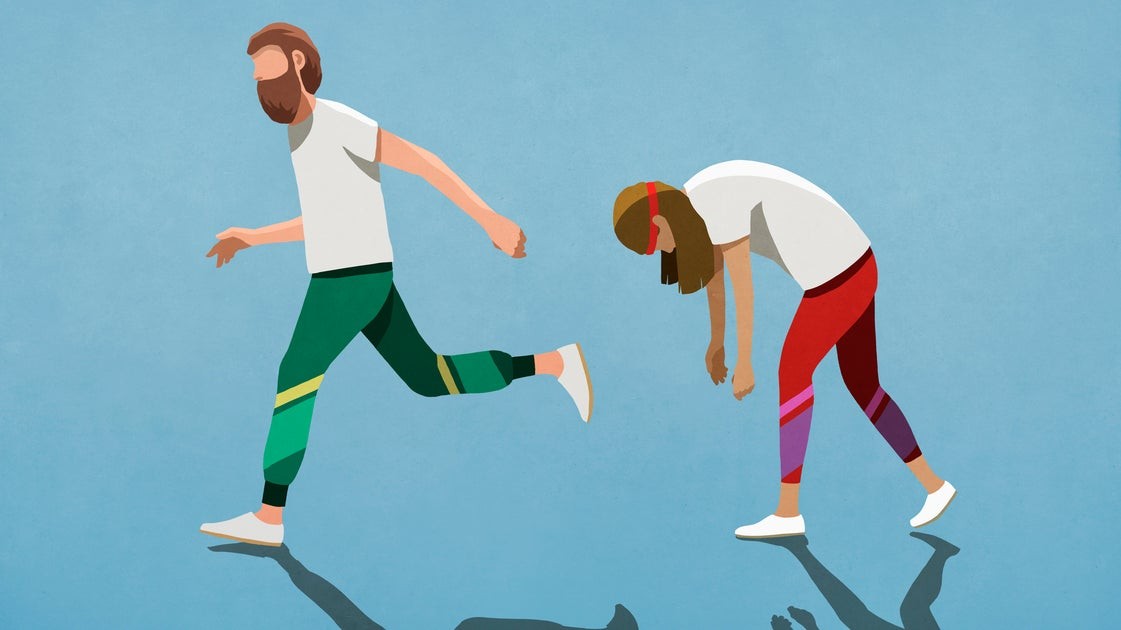
No two people are alike. You know this. Yet we act shocked when the person we love refuses to hit the gym alongside us. We accept age gaps. Style clashes are expected. But the “exercise gap”—one partner sweating through CrossFit, the other preferring the couch? That feels dangerous. Does it doom you?
Maybe. Probably not. Therapists say it depends entirely on how you talk.
It’s Rarely About The Exercise
We assume exercise is about fitness. It’s often not. It’s about anxiety. It’s about fear of aging, fear of broken hips, fear of becoming a burden to others. Anita Chlipala, a family therapist, notes that for many, the obsession stems from witnessing a relative lose mobility. They watch a family member deteriorate. They get scared. Then they lift weights. They want their partner to do it too, mostly to soothe that own terror.
Sammy Peachey, another therapist, puts it bluntly. The real issue is usually fatphobia. We try to control our partner’s body because culture demands thinness. Stop that.
“Your partner’s body is theirs and theirs to decide.”
Peachey lives this. Her partner coaches CrossFit. She doesn’t love working out, especially after injuries changed her body. Does he hate her for it? No. He celebrates her. That is the standard. Not “you need to lose ten pounds.” That is “I see you.”
Ask better questions. Try “How can I support your routine?” or “What makes you feel good?” Skip the “you should run with me” unless you are willing to hear no.
The Compromise Is Ugly (But Necessary)
Happy couples argue over dates. One wants a twenty-thousand-step tour of Paris. The other wants the hotel pool. A book. Silence. This isn’t a breakup material. It’s a logistical puzzle. Chlipala sees this all the time. They split the difference. Maybe half the days you hike, half you nap. Maybe you do separate activities and regroup for dinner. It works.
But only if you don’t resent it.
Judgment Kills It Fast
Here is the red flag. It’s not the difference in sweat equity. It’s the tone. When one person starts their fitness journey, they often feel superior. Or just entitled. They want their partner on the bandwagon. It wasn’t easy for me, why can’t you just do it?
Don’t say that. Ever.
Justin Dodson, a therapist for men and couples, warns against this specific trap. Many partners confuse judgment with encouragement. They think, I’m doing this for your own good, while they’re actually being cruel. It’s not sustainable.
Watch the language.
- “You’ve let yourself go.”
- “You care more about Netflix than our future health.”
- “You’d be hotter if you trained.”
These are boundaries crossed. Once the shame sets in, the connection fractures. Peachey notes that negative comments on a partner’s body are immediate cause for discussion. Not later. Now.
Get curious instead. Why does your partner love the grind? Why do they hate it? Maybe they need accountability, maybe they just want peace. Don’t volunteer yourself as the drill sergeant. Ask if they want one. If not, shut up and respect it.