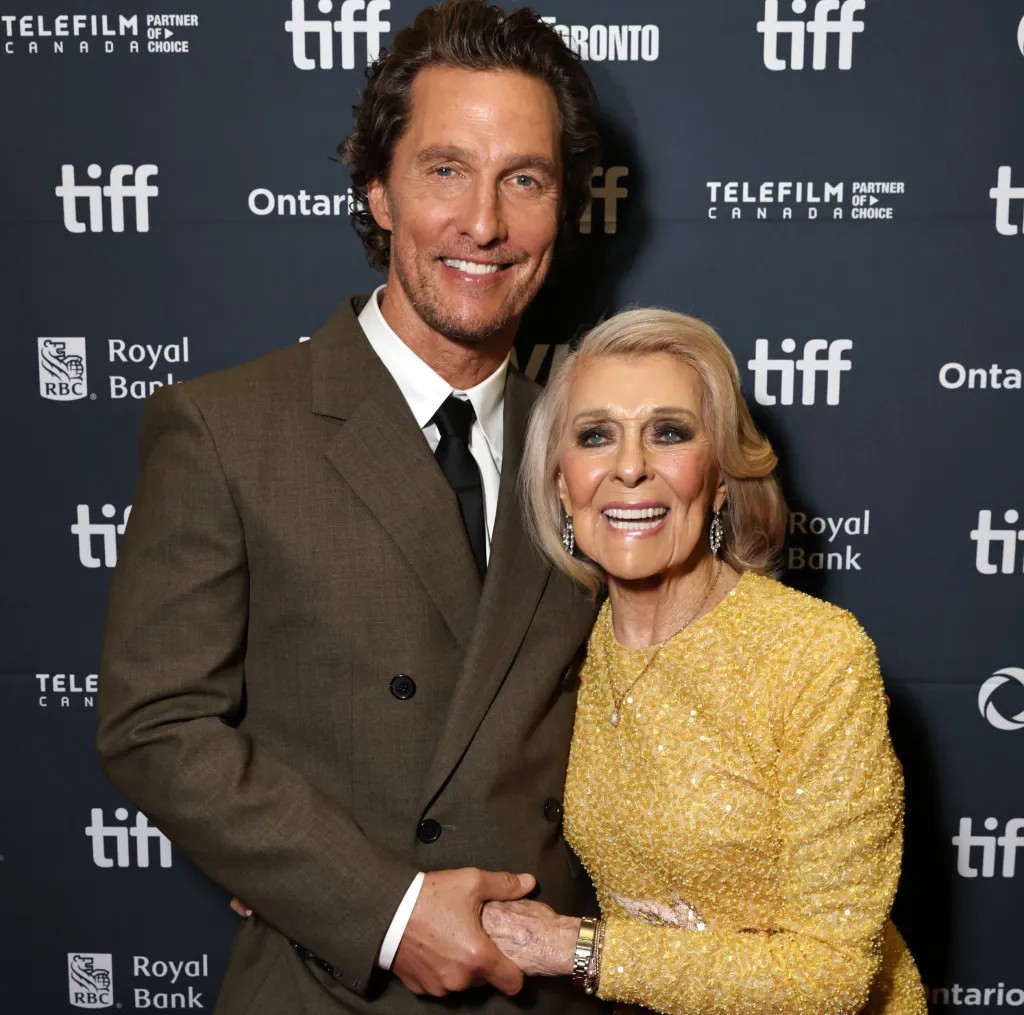
In an era dominated by “gentle parenting” influencers, feelings charts, and endless negotiations over bedtime, Matthew McConaughey’s mother offers a starkly different perspective. Kay McConaughey, affectionately known as “MaMac,” recently revealed to Southern Living that the secret to raising her three sons—including the Hollywood star—wasn’t about emotional attunement or collaborative family summits. It was about unwavering consistency.
“Set up the rules and say, ‘This is it. It’s not up for discussion. Ever.’ You just have to be consistent.”
The Case for Clarity Over Collaboration
Kay’s approach is decidedly old-school. Her philosophy was simple: while her sons lived under her roof, they followed the rules. Once they turned 18, they were free to do as they pleased.
For modern parents, this blunt delivery can sound jarring. Today’s parenting culture often emphasizes autonomy, open-ended conversations, and emotional validation. Social media feeds are filled with advice on how to negotiate with toddlers and validate every feeling. In contrast, MaMac’s method feels like folklore from a time before screen-time trackers and school app notifications.
However, beneath the rigid exterior lies a principle that many child development experts still champion: children benefit from boundaries that are clear, predictable, and consistently enforced.
Authoritative vs. Authoritarian: A Crucial Distinction
It is vital to distinguish between two often-confused parenting styles:
- Authoritarian Parenting: Characterized by high demands and low responsiveness. This “because I said so” approach can cross into fear-based control. Research by the American Psychological Association (APA) links overly harsh, controlling parenting to higher rates of anxiety, lower self-esteem, and strained relationships in adulthood.
- Authoritative Parenting: Combines warmth with firm expectations and structure. Decades of developmental psychology research indicate that this style is consistently linked to better emotional regulation, social skills, and overall well-being in children.
MaMac’s advice aligns more closely with the authoritative model, provided the foundation includes warmth and support. The key is not rigidity for its own sake, but rather clarity. When expectations are steady and parents aren’t constantly moving the goalposts, children tend to feel safer and more secure.
Why Modern Parents Are Exhausted
The reason MaMac’s advice resonates with so many today isn’t just nostalgia; it’s parental burnout.
Modern parents face an impossible set of expectations. They are asked to be:
* Emotionally available therapists
* Financially stable providers
* Screen-time police and nutritionists
* Chauffeurs and homework tutors
* Crisis negotiators for tiny humans
All of this is expected while managing professional responsibilities and digital overload. The pressure to over-explain, over-negotiate, and over-optimize every interaction with a child can be draining. Sometimes, the simple act of saying “No” without a thirty-minute negotiation provides a necessary sense of order and relief.
The Bottom Line
Kay McConaughey’s parenting rule isn’t about suppressing individuality or ignoring emotions. It’s about showing up as the adult in the room.
While modern parenting methods have evolved for valid reasons—acknowledging the importance of emotional intelligence and autonomy—the core principle remains unchanged: Kids thrive when they know where the lines are. Clear boundaries, consistently enforced, create a framework of safety that allows children to explore the world with confidence.
Conclusion: Whether you choose gentle negotiation or firm boundaries, the most critical factor is consistency. Children need to know that rules are reliable, not negotiable, allowing them to feel secure in their environment.