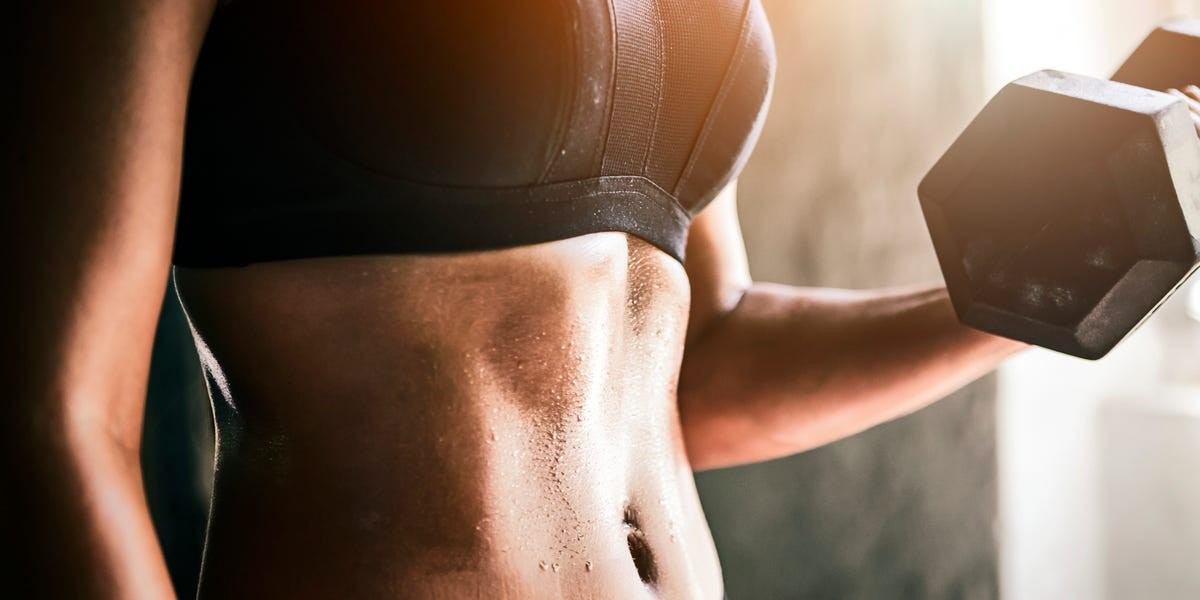
The feeling of being drenched in sweat after a workout can be deceptively satisfying. It feels like proof of hard work, but experts say that sweatiness is rarely a reliable indicator of how effective your exercise actually is.
The Science of Sweat
Sweat is primarily a cooling mechanism. When your muscles work, they generate heat. Your body responds by releasing sweat, which evaporates and lowers your core temperature. As exercise physiologist Mark Kovacs, PhD, explains, “Sweat isn’t inherently a marker of how hard you’re working, but rather a marker of how much heat your body needs to shed to maintain a safe core temperature.”
This means you could be sweating profusely in a hot yoga class, yet burning fewer calories than you would in a cooler strength-training session. The key metric isn’t how much you sweat, but the actual physiological stress you’re putting on your muscles.
Why the Confusion?
The misconception that sweat equals progress is partly fueled by the wellness industry, which often promotes heated workouts as a fast track to results. While heat can improve circulation and temporarily increase flexibility, it doesn’t necessarily translate to better muscle growth or fat burning.
Individual sweat rates also vary significantly due to factors like genetics, fitness level, age, and hydration. A highly trained athlete might start sweating sooner because their body is more efficient at regulating temperature, but that doesn’t mean they’re working harder than someone who sweats less.
Better Ways to Measure Progress
If you want to know whether your workouts are paying off, focus on these reliable metrics:
- Track performance: Are you lifting heavier weights, running faster, or adding more reps? Consistent progression is the clearest sign of improvement.
- Monitor heart health: A lower resting heart rate and faster recovery between intervals indicate better cardiovascular fitness.
- Use Rate of Perceived Exertion (RPE): Assess how hard you’re working on a scale of one to ten. For strength training, aim for a 7–9 RPE, and for endurance, a 5–7 RPE.
- Look at objective markers: Pay attention to changes in body composition, VO2 max (oxygen efficiency), or even how your clothes fit.
Sweat is just a byproduct of exercise—not a measurement of its quality. To truly gauge your progress, ignore the moisture and focus on measurable results.