Italian cuisine is often romanticized for its complexity, but its true strength lies in simplicity and technique. Whether you are craving the comfort of a Sunday sauce or the elegance of a simple pasta, mastering a few foundational dishes can transform your home cooking.
Glenn Rolnick, chef at Carmine’s and director of culinary operations at Alicart Restaurant Group, identifies five staple preparations that every home cook should learn. These aren’t just recipes; they are techniques that elevate everyday ingredients into memorable meals.
1. The Perfect Italian Meatball
Spaghetti and meatballs are a cultural icon, but achieving the right texture and flavor at home requires precision. According to Rolnick, this is a dish you “must lock down.” The difference between a mediocre meatball and a drool-worthy one comes down to ingredient quality and cooking technique. It is not just about mixing meat and spices; it is about understanding how to bind the ingredients so they hold their shape and moisture while delivering a rich, savory punch.
2. Ragù (The “Sunday Sauce”)
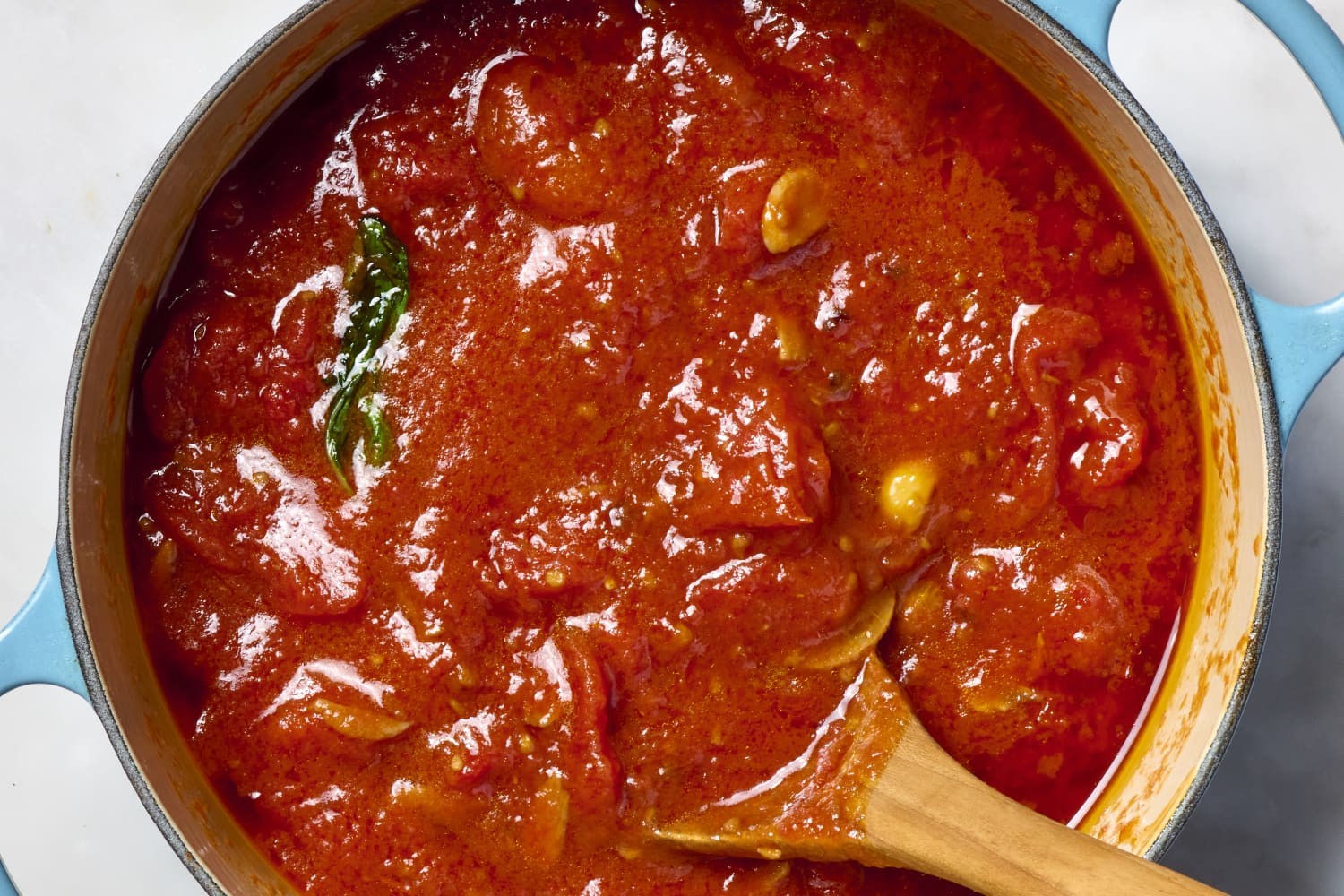
Known variously as ragù, gravy, or Sunday sauce, this slow-cooked tomato meat sauce is the backbone of many Italian-American households. Rolnick emphasizes that this is an essential skill for any home cook.
- Key Ingredients: Use high-quality components like San Marzano tomatoes, fresh garlic, and fresh basil.
- Meat Selection: While Italian sausage and pork braciole are standards, Rolnick recommends adding roasted lamb neck bones for deeper flavor.
- The Finish: A generous amount of grated Pecorino Romano cheese ties the flavors together.
This sauce is versatile enough to pair with pasta, meatballs, or even bread, making it a weekend project well worth the effort.
3. Aglio e Olio (Garlic and Oil)
Not every Italian dish requires red sauce. For those who prefer lighter, oil-based preparations, mastering a simple garlic and oil sauce is crucial. This dish proves that fewer ingredients can yield more flavor when handled correctly.
Rolnick suggests a specific combination to elevate this classic:
* Roasted garlic (for sweetness without bitterness)
* High-quality olive oil
* Fresh basil
* Chicken stock (to create a light emulsion)
* Grated cheese
Reducing these ingredients properly creates a glossy, aromatic sauce that pairs beautifully with almost any pasta shape. It is a reminder that technique often matters more than the number of ingredients.
4. Fresh Potato Gnocchi
For those intimidated by the idea of making fresh pasta from scratch, gnocchi is an accessible entry point. Often mistaken for difficult dumplings, gnocchi are actually quite forgiving and straightforward to prepare.
- The Dough: A simple mixture of egg pasta dough and finely mashed, cooked, and chilled russet or Idaho potatoes.
- The Process: The dough is easy to roll out and cut, requiring minimal equipment.
- The Result: They cook quickly and taste like tender, savory dumplings.
Making gnocchi at home allows you to control the texture, ensuring they are light and fluffy rather than dense or gummy.
5. Crispy Chicken Cutlets
Dry, bland chicken is a common home-cooking pitfall. The solution lies in the breading. Rolnick stresses that the coating should enhance, not mask, the chicken. The goal is a crust that is flavorful on its own—where you can taste garlic and cheese—while remaining crispy and golden-brown.
Pro-Tip for Texture:
* Use a mix of stale Italian bread or seasoned breadcrumbs and panko.
* Adding about half panko to the breadcrumb mix elevates the texture, providing a lighter, crunchier finish.
* Technique: Season flour with salt and pepper, dip in beaten eggs, and press the breadcrumb mixture firmly onto the chicken before pan-frying.
Conclusion
Mastering these five dishes does more than expand your recipe repertoire; it builds a foundation of Italian cooking techniques that can be applied to countless other meals. From the slow patience of ragù to the quick precision of aglio e olio, these skills empower home cooks to create restaurant-quality food with confidence and simplicity.