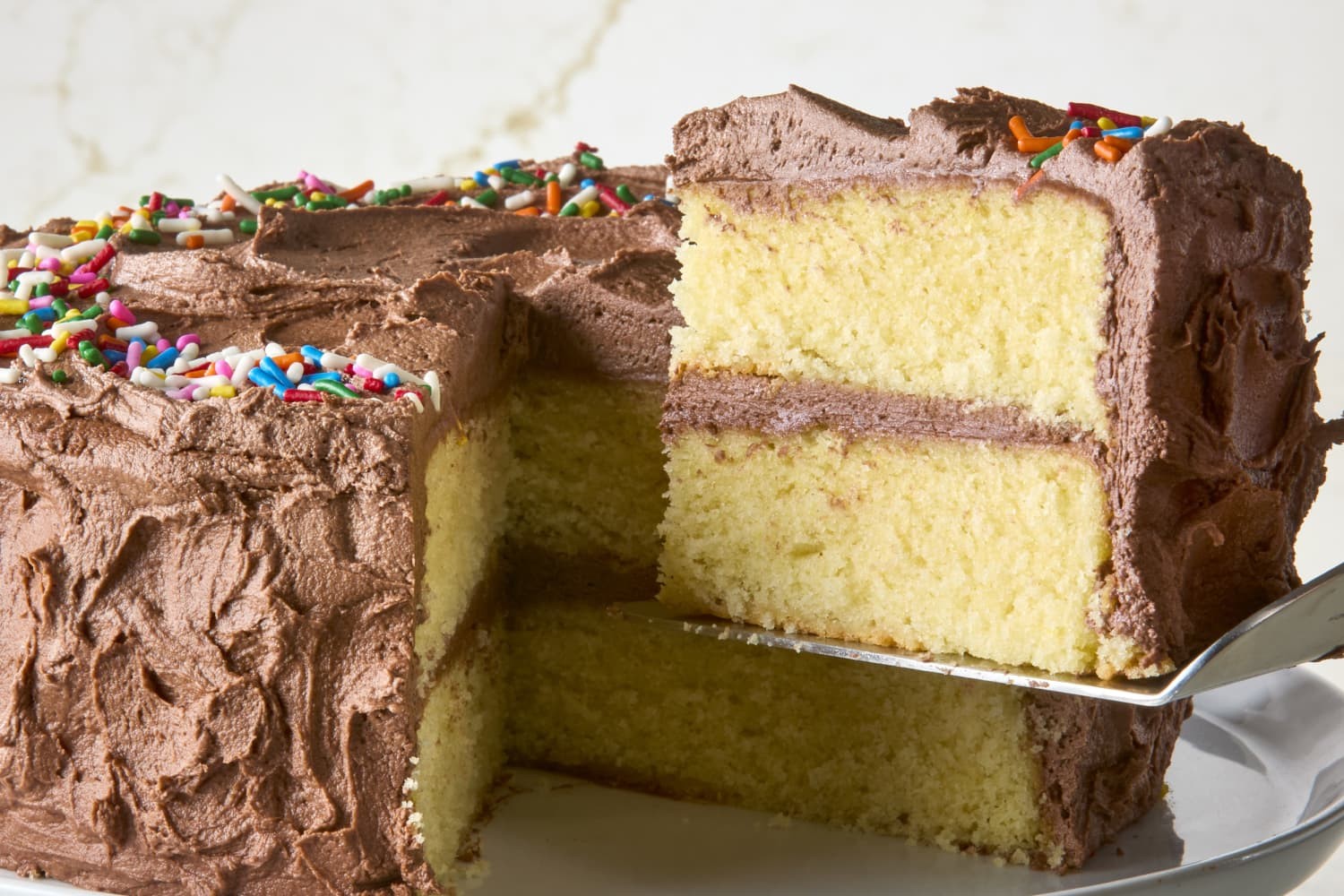
The age-old debate between butter and oil in baking often leaves home cooks confused. Both ingredients are fats, yet they yield vastly different results in the oven. While butter provides a rich, distinct flavor and structural integrity, oil ensures a tender, moist crumb that stays fresh longer.
Professional pastry chefs do not view one ingredient as universally superior; rather, they select based on the specific texture and flavor profile required for the recipe. Understanding the chemical and physical differences between these fats allows bakers to make informed choices—and even improve standard recipes.
The Case for Butter: Flavor and Structure
For many professional bakers, butter is the gold standard. Three out of five chefs consulted for this analysis preferred butter for its superior taste and textural contributions.
Key advantages of butter include:
- Rich Flavor: As James Beard Award-winning pastry chef Michelle Palazzo notes, “Nothing tastes quite like butter.” It adds a depth of flavor that oil cannot replicate.
- Structural Integrity: Butter contains water and milk solids, which help create structure in baked goods. This is crucial for items like croissants, pie crusts, and frostings.
- Aeration: When creamed with sugar, butter traps air, helping cookies and cakes rise and develop a desirable crumb.
Joseph Paire, executive chef at Limewood Restaurant & Bar, emphasizes that butter generally outperforms oil in almost every baking application except deep frying. “In many cases, anything you can do with oil, you can do even better with butter,” he states.
The Case for Oil: Moisture and Tenderness
While butter dominates in flavor, oil has distinct functional benefits, particularly for moisture-heavy baked goods.
Key advantages of oil include:
- Superior Moisture: Oil is 100% fat, whereas butter is roughly 80% fat and 20% water. This means oil retains moisture more effectively, resulting in a softer, more tender crumb.
- Extended Shelf Life: Baked goods made with oil tend to stay fresh longer than those made with butter.
- Lighter Texture: Oil does not solidify at room temperature like butter does. This prevents baked goods from becoming dense or waxy, making it ideal for quick breads, muffins, and certain layer cakes.
Verousce Mckibbin, executive pastry chef at The Ritz-Carlton, Amelia Island, explains that oil adds “more moisture, softer texture, longer shelf life, and tender crumbs.” She recommends oil for recipes where a super-moist result is the primary goal.
Choosing the Right Fat for Your Recipe
The decision ultimately depends on what you are baking. Chefs agree that neither ingredient is inherently “better”; they simply serve different purposes.
- Choose Butter For: Cookies, pound cakes, pie crusts, frostings, and laminated doughs (like croissants). In these applications, the flavor and structural properties of butter are essential. Molly Coen, a pastry chef and baking competition winner, notes that a pound cake would suffer significantly if butter were replaced with oil, as it would lose both richness and necessary leavening structure.
- Choose Oil For: Muffins, quick breads, and moist layer cakes. If your priority is a light, tender texture that stays moist for days, oil is the superior choice.
Pro Tip: Elevating Boxed Cake Mixes
One area where professional chefs unanimously agree is on how to improve boxed cake mixes. Most boxed recipes call for oil to ensure moisture and ease of use. However, chefs recommend swapping this out for butter to enhance flavor and texture.
Michelle Palazzo suggests a specific ratio: replace the oil with double the amount of melted butter. This adjustment transforms the cake, making it taste less processed and more homemade while maintaining the “soft and pillowy” texture associated with box mixes. Joseph Paire agrees, advising bakers to use melted butter instead of oil for better taste and texture in these convenience products.
Conclusion
The choice between butter and oil is not about finding a winner, but about selecting the right tool for the job. Use butter when flavor and structure are paramount, and choose oil when moisture and tenderness are the priority. By understanding these distinctions, bakers can confidently tailor their recipes to achieve the perfect balance of taste and texture.