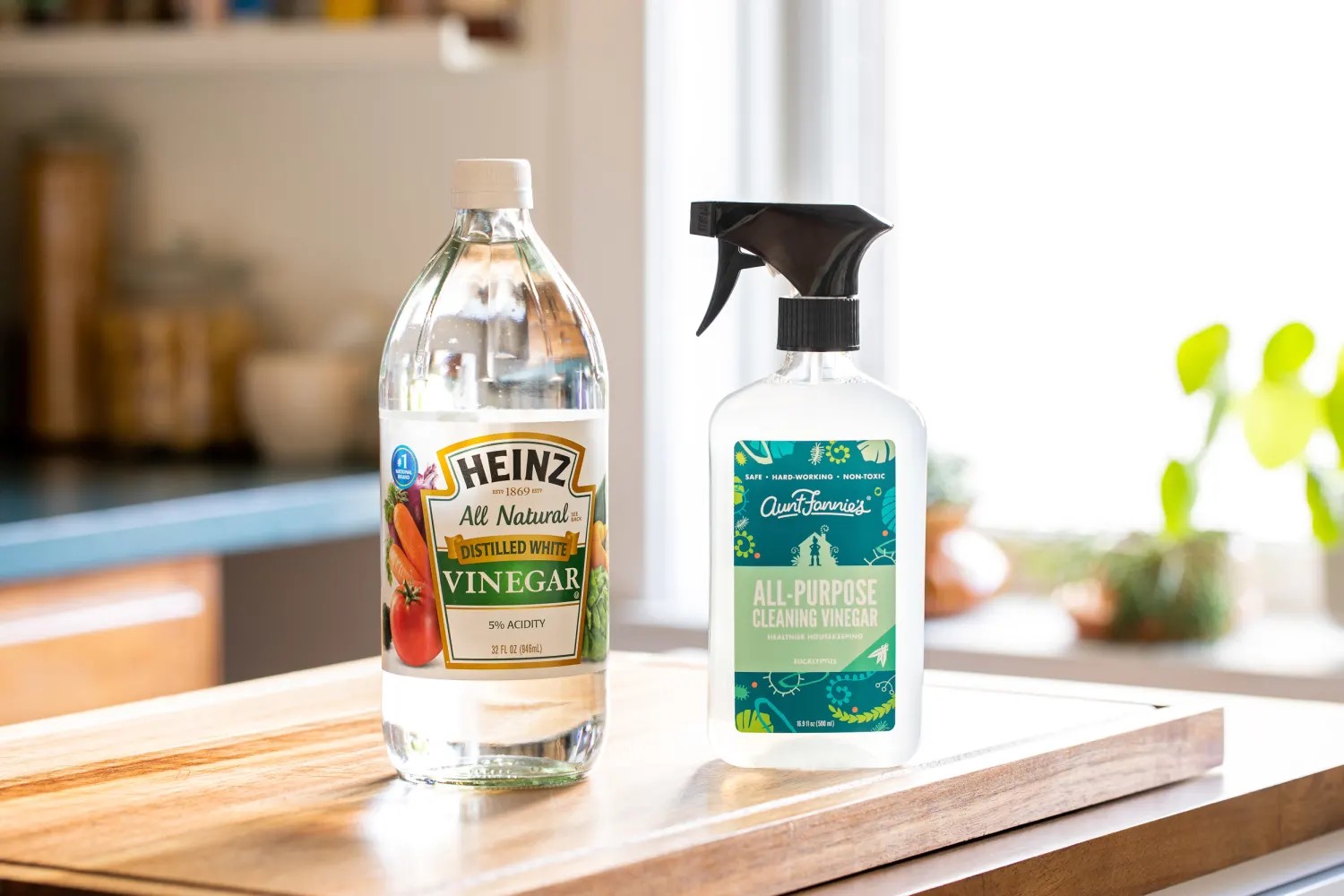
Cleaning vinegar is a powerful, yet often overlooked, household staple. While many people keep distilled white vinegar on hand for cooking or minor cleaning tasks, cleaning vinegar offers a higher concentration of acetic acid, making it more effective for tackling tough grime. Here’s a breakdown of what it is, how it differs from regular vinegar, and how to use it safely and effectively.
What Exactly Is Cleaning Vinegar?
Cleaning vinegar is distilled vinegar formulated with a higher acidity level than standard white vinegar. Typically, distilled white vinegar contains 5% acetic acid, while cleaning vinegar ranges from 6% to 7%. This increased concentration makes it ideal for cutting through dirt, grease, and mineral buildup around the house. It’s manufactured through the same fermentation and distillation process as regular vinegar but is intended solely for cleaning purposes.
Cleaning Vinegar vs. White Vinegar: The Key Differences
The primary distinction between the two lies in their concentration. Regular white vinegar is safe for consumption and commonly used in cooking, dressings, and marinades. Cleaning vinegar, with its stronger acidity, is not meant for ingestion. Though you can clean with regular white vinegar, cleaning vinegar will be more effective for stubborn stains and messes.
Evans, the owner of Memphis Maids, explains that the lower concentration of white vinegar also makes it less abrasive – a benefit when cleaning delicate surfaces. However, its lower acidity means it might struggle with tougher grease or grime.
How Can You Use Cleaning Vinegar?
Cleaning vinegar is incredibly versatile. It can be used on almost any surface in your home, from bathroom tiles and laminate countertops to windows and mirrors. The best way to use it is to dilute it with water in a 1:1 ratio and spray it onto the surface, then wipe clean. For greasy messes, add a few drops of dish soap to the mixture.
The vinegar evaporates quickly without leaving residue, making it ideal for streak-free cleaning. It’s also a natural alternative to harsh chemical cleaners, appealing to those seeking eco-friendly options.
What Surfaces Should You Avoid?
While cleaning vinegar is powerful, it’s not suitable for all materials. Avoid using it on hardwood floors or natural stone countertops. Its acidity can etch or damage these surfaces over time. Even regular white vinegar can cause scratches, so a higher concentration of acidity will do even more damage.
Is Cleaning Vinegar Safe Around Food?
No. Cleaning vinegar is not produced under food-safe conditions and should never be used near food preparation areas. Unlike white vinegar, it may contain additives or cross-contamination from other cleaning products that could be harmful if ingested. Always read the label; if it explicitly states “not a food product,” keep it out of the kitchen.
Cleaning vinegar is a cost-effective and eco-friendly solution for household cleaning. However, its increased acidity demands caution and awareness of which surfaces it should and shouldn’t be used on.