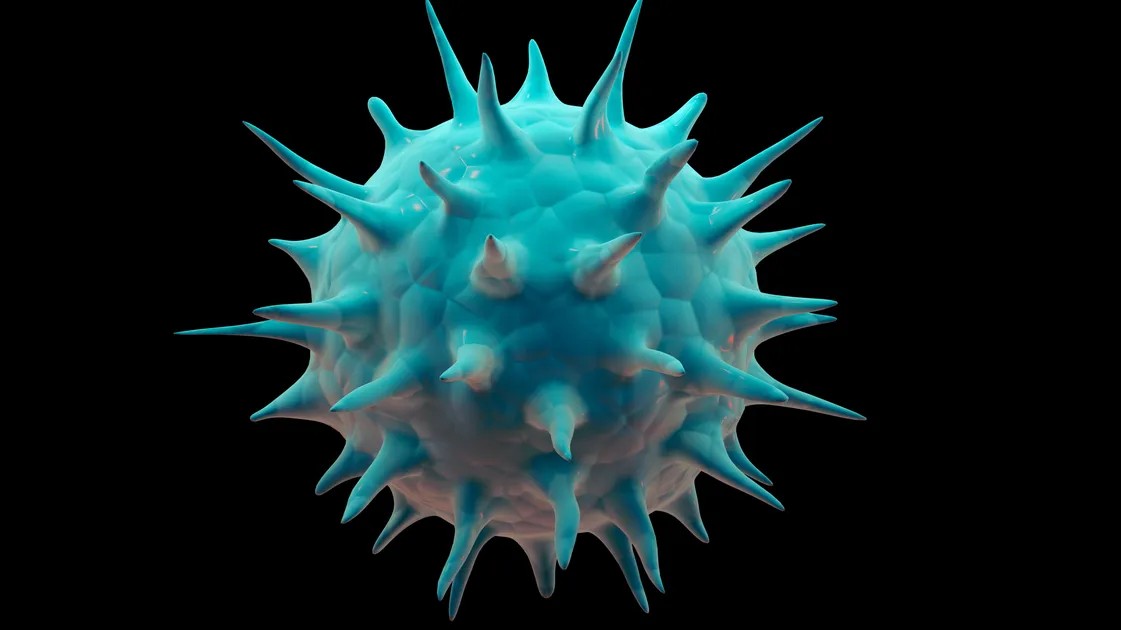
As the traditional winter virus season winds down, health experts are monitoring a new development in the COVID-19 landscape. A highly mutated variant, known as BA.3.2 (nicknamed “Cicada “), is currently spreading across at least half of the United States, with data suggesting it is disproportionately affecting children.
Why Children Are More Susceptible
While the Cicada variant is spreading more rapidly among younger populations, medical professionals emphasize that it does not appear to cause more severe disease than previous versions of the virus.
Several factors contribute to why this variant is finding a foothold in the pediatric population:
- Increased Infectivity: Due to its high level of mutation, BA.3.2 is more efficient at spreading between hosts than many previous variants.
- Social Environments: Children frequently congregate in high-density settings—such as schools, daycares, and summer camps—which act as natural accelerators for viral transmission.
- Immune “Naivety”: Unlike adults, who have built up varying levels of immunity through prior infections or multiple vaccine doses, young children have had less exposure to the virus.
- Developing Immune Systems: Experts note that children’s immune systems are still maturing and lack the long-term “immune memory” that older adults have developed from years of exposure to different pathogens.
“I think it’s possible that this new variant is finding them more susceptible and so able to spread among children,” says Dr. William Schaffner of Vanderbilt University Medical Center.
Data and Observations
The trend of BA.3.2 affecting children—specifically those aged 3 to 15—has been observed by researchers in various regions, including New York, Ireland, and Ontario. However, health officials note that while these patterns are visible in current data, they are still awaiting formal confirmation through peer-reviewed publications.
Currently, vaccination rates for the most recent COVID-19 shots remain low among the youth; CDC data shows that only 9.3% of children have received the 2025-2026 vaccine. While the current vaccine may offer slightly lower protection against this specific variant compared to others, doctors stress that it remains vital for reducing the risk of severe illness and death.
How to Protect Your Family
Although overall COVID-19 rates remain low, experts recommend maintaining standard hygiene and prevention practices to manage the spread of Cicada, the flu, and other seasonal viruses.
Recommended Actions:
1. Monitor Symptoms: Watch for fever, cough, congestion, or body aches. If a child has an underlying medical condition, contact a healthcare provider immediately upon the onset of symptoms.
2. Test for Accuracy: If symptoms appear, testing for both COVID-19 and the flu is recommended to ensure correct treatment.
3. Practice Hygiene: Frequent handwashing remains one of the most effective tools against transmission.
4. Stay Home: If a child is unwell, keep them home from school to prevent further spread.
5. Social Awareness: When attending group events like birthday parties, check in on the health of other attendees to minimize exposure risks.
Summary
While the “Cicada” variant is more prevalent among children due to their social environments and developing immunity, it does not pose a higher risk of severe disease. Maintaining routine vaccinations and hygiene practices remains the best defense as COVID-19 becomes a more permanent, background element of public health.