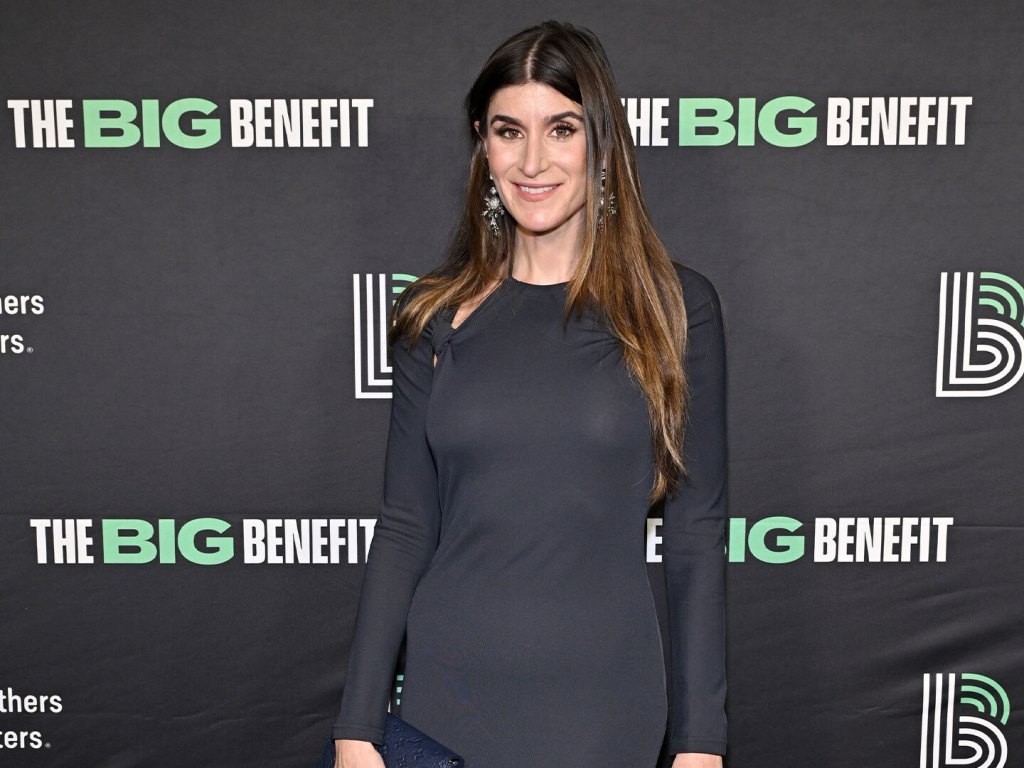
Haley Sacks knows her brand. She calls herself Mrs. Dow Jones. Hosts a podcast called Financial Tea. Writes bestsellers. Her Instagram has 1.3 million followers who probably live in a slightly more colorful reality than ours. She’s polished. She’s bright.
But we sat down with her. Real talk. No filters. The conversation swung wide, touching on everything from Beyonce’s wealth hacks to why you need to look at divorce like a business breakup.
It’s not comforting advice. But it works.
The Celeb Cheat Code: Kid Roth IRAs
Celebrities have a loophole. A nice, shiny one. Rihanna. Khloe Kardashian. Beyonce. They all do the same trick for their kids.
You open a custodial Roth IRA.
Same limit as a grown-up Roth. $7,500 in 2026. The only catch? Your kid needs income. Which is easy if you’re famous and run a brand. You just put your child on payroll.
“They hire the kids for their businesses, put them on the roll, then use that money to fund the account.”
Tax-free withdrawals when the kid hits adulthood. That’s the dream.
But you don’t need fame. Just a kid who mows lawns. Or babysits. Or walks dogs at twelve. Any taxable income qualifies. Sacks says open the account the second they earn a dime. Don’t wait.
Prenups Are Not For The Rich
There’s a guilt around prenups. A shame attached to them.
Belle Burden’s grandmother had it figured out. She required every grandchild to sign one. Burden felt less awkward about it because, hey, it was Grandma’s rule. Not hers.
Sacks loves this frame.
If you’re nervous, blame the ancestor. Blame Granny. Then get to business. Marriage is a contract. You wouldn’t sign a business deal without terms. Why sign a life deal blindfolded?
It’s not about expecting failure. It’s about clarity.
“You don’t get health insurance expecting to sick. You get it for safety. That’s the prenup.”
Who you marry isn’t who you divorce. That’s a terrifying truth. But knowing where the money starts, for both of you, prevents war later.
The Brutal Truth About Allowances
Most parents get the tone wrong. At the store, when your kid wants the $80 toy, don’t say “we can’t afford it.”
That plants a seed of anxiety. Scarcity.
Say this instead: “We aren’t buying that right now. We’re focusing on our vacation fund.”
Money becomes a tool. A lever to move goals forward. Not a source of pain.
Now comes the part Sacks admits will make people hate her.
Tax the allowance.
Keep thirty percent. Donate it. Save it. Hide it. It doesn’t matter where it goes.
The lesson is the extraction.
Kids need to know that gross income isn’t net income. In America, the government always takes its cut. Taxes happen. Always. Teaching this early spares them the shock later. It’s a brutal truth wrapped in pocket change.
The “Elle Woods” Effect
We spend to feel better.
It’s baked in. Think about Elle Woods in Legally Blonde. Sad? Get nails done. Angry? Buy a designer handbag. We treat shopping like emotional regulation. A salve.
Sacks doesn’t care if you’re sad. But she cares if you’re broke and sad.
You don’t need extreme frugality. Just pause.
She prescribes the three-day rule.
See something you want impulsively? Wait 72 hours.
Ninety percent of the time, the urge vanishes. The dopamine hit fades. You realize you just wanted the idea of the thing. Not the thing.
If you still want it after three days? Plan for it. Work for it. Delay the gratification.
“Model the art of working toward it, not the art of buying your feelings away.”
It’s healthier. It’s harder.
Is it better?
Probably.