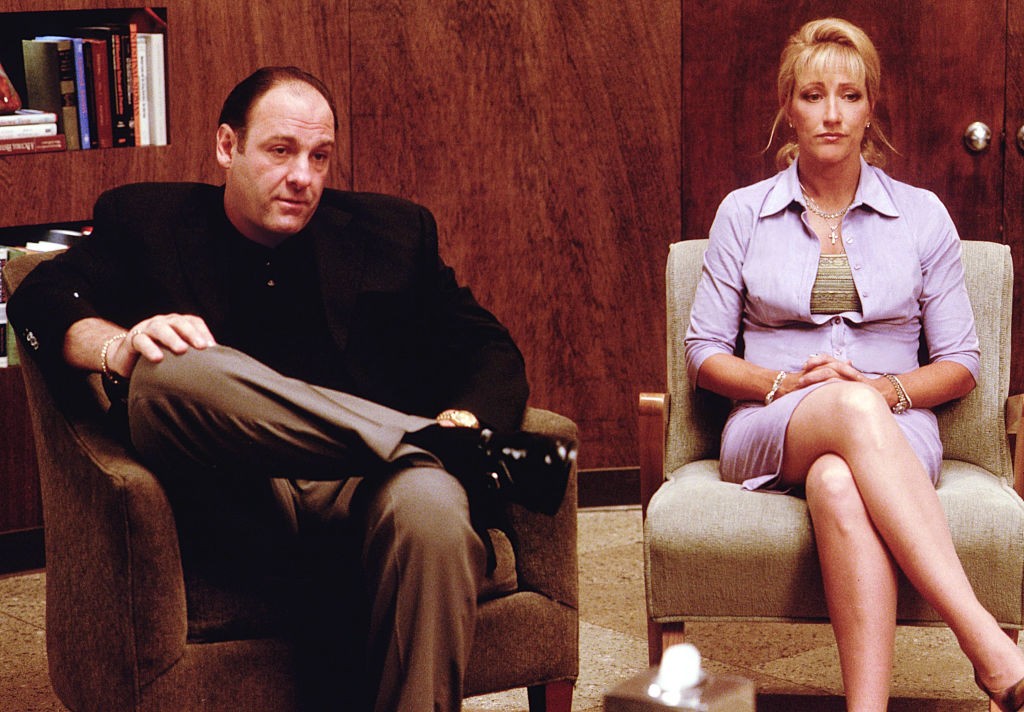
Rewatching The Sopranos two decades after its finale reveals new depth in its characters, particularly Carmela Soprano. Recent episodes, notably Season 3’s “Amour Fou” and Season 4’s “Eloise”, highlight her emotional turmoil as her daughter Meadow gains independence. This is a dynamic many parents face: the shift from active caregiving to observing their children forge their own paths.
The show doesn’t shy away from portraying Carmela’s vulnerability. In “Amour Fou”, her tears in front of Ribera’s painting, The Holy Family, aren’t just sentimentality; they reflect a deeper grief over the inevitable letting go that motherhood demands. Her subsequent crying over a dog food commercial adds another layer: the hormonal and existential crisis of midlife, compounded by a cheating husband.
“Eloise” escalates this tension. Carmela projects resentment onto Meadow, who is thriving at Columbia while she feels trapped in a failing marriage. The dinner scene at Meadow’s apartment underscores this power imbalance: Carmela feels overshadowed by her daughter’s newfound confidence and the financial security of her peers. Her outburst over Billy Budd isn’t just bigotry; it’s a desperate attempt to assert control in a situation where she has none.
This dynamic resonates because it’s brutally honest. Carmela isn’t just sad; she’s jealous. In a society that undervalues mothers, where childcare costs skyrocket while wages stagnate, her sense of purposelessness is understandable. The show captures the early stages of what experts call “Empty Nest Syndrome”—a period of adjustment where parents grieve the loss of daily involvement in their children’s lives.
The series doesn’t offer easy answers. Carmela’s struggles aren’t resolved, and the upcoming challenges with AJ and Meadow’s choices suggest further turmoil. This realism is what makes The Sopranos timeless: it doesn’t sanitize the messy, often painful realities of family life.
Ultimately, the show’s brilliance lies in its refusal to judge Carmela. She’s flawed, resentful, and occasionally cruel, but her pain is authentic. And as more viewers become parents themselves, her story feels less like fiction and more like a harsh reflection of life.