Generation Z is redefining the conversation around age differences in relationships, moving beyond legal boundaries to scrutinize power dynamics and ethical considerations. Unlike previous generations, who often dismissed age-gap romances as personal choices, young adults today are openly questioning the fairness of such pairings, especially when significant imbalances exist.
The Rise of Scrutiny
This heightened awareness is rooted in Gen Z’s upbringing alongside the #MeToo movement. Having grown up with discussions about consent, coercion, and unequal power structures, they apply the same critical lens to relationships. Celebrity pairings – like the brief pairing between Aoki Lee Simmons (21) and Vittorio Assaf (65) – trigger immediate debate, even if both parties are consenting adults. The argument isn’t about legality, but whether one person holds undue influence over another.
As one user on Threads put it, framing age-gap relationships solely on consent ignores the reality of brain development. “Adulthood was meant to signify voting/draft age…but everyone knows your prefrontal cortex is not fully formed at this age.” This highlights a core concern: that younger individuals may not fully grasp the implications of an age-disparate dynamic.
Beyond Celebrity Gossip
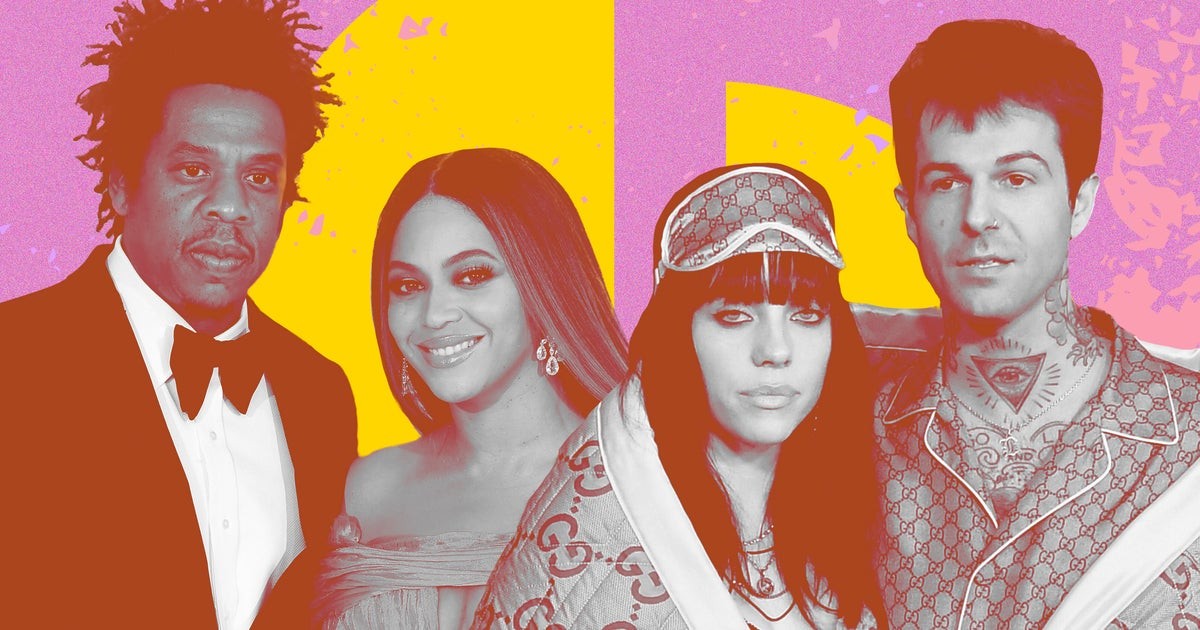
The scrutiny isn’t limited to high-profile cases. Everyday couples are facing judgment, with some questioning even moderate age differences. A tweet with 80,000 likes states bluntly, “At 25, I wouldn’t even date a 21 year old.” The Billie Eilish-Jesse Rutherford relationship (a 10-year gap) drew intense criticism, with some fans sarcastically pointing out Rutherford was alive during George H.W. Bush’s presidency.
Even established couples aren’t immune. Beyoncé and Jay-Z’s early relationship, when Beyoncé was 19 and Jay-Z in his early 30s, is now revisited with suspicion. Some claim she was “groomed,” fueling broader debates about predatory behavior. The term itself is becoming weaponized, as some worry it’s losing its meaning through overuse.
Why This Matters
This shift isn’t new, but Gen Z’s willingness to discuss these issues openly is. Studies from the early 2000s show age-discrepant couples already faced social disapproval, often exceeding the stigma attached to same-sex or interracial relationships. What’s changed is how vocal and public this disapproval has become.
According to Justin Lehmiller, a research fellow at the Kinsey Institute, Gen Z views age gaps as inherently exploitative, assuming older partners will always have an advantage. The narrative has also flipped: historically, younger partners (especially women) were accused of exploiting older, wealthier individuals. Now, Gen Z frames younger individuals as victims.
The Nuances of the Debate
Some argue this overcorrection is toxic, applying the “grooming” label too broadly. Others believe the focus on age obscures other power imbalances. A queer individual pointed out that in their community, age gaps are common, but the real dynamic lies in factors like financial stability or education levels.
The COVID-19 pandemic further complicates the issue. Many Gen Zers feel mentally younger than their chronological age, making older partners seem even more out of touch. One person noted, “You hear about how we’re mentally the same age that we were when the pandemic first started…that might play a role in why some people are not settling on older people pursuing them.”
A Generational Reckoning
Gen Z’s aversion to age gaps isn’t about prudishness, but a calculated response to systemic power imbalances. They’ve seen firsthand how manipulation can occur, and they’re less willing to accept relationships that appear exploitative. While some may overreact, the core message is clear: consent alone isn’t enough. Ethical relationships require genuine equality, and Gen Z is holding everyone accountable.
This generation is not only questioning traditional norms but also reshaping the language around relationships, ensuring that power dynamics are openly discussed and scrutinized. They are not simply judging couples; they are redefining what constitutes a fair and respectful connection.