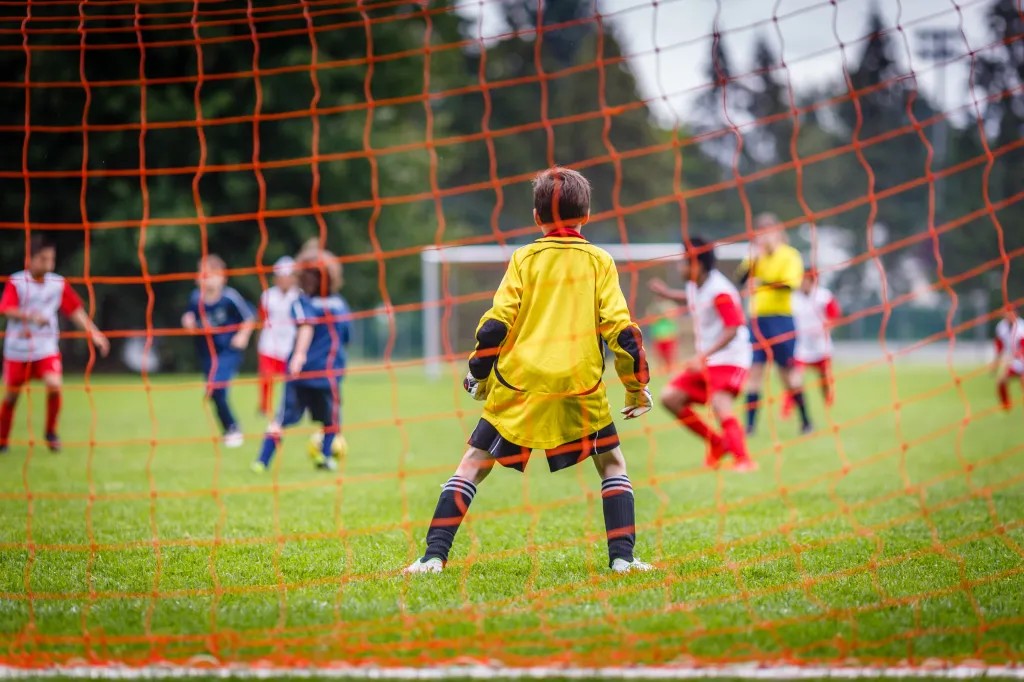
For many children, youth sports serve as a vital arena for building resilience, teamwork, and social connections. However, a growing disconnect between what children want from sports and how their parents behave is creating a “retention crisis.”
A recent large-scale survey of nearly 4,000 young athletes (ages 10–17) reveals that the behavior of parents on the sidelines—ranging from excessive pressure to a lack of basic logistical support—is a primary reason why children abandon athletics altogether.
The Motivation Gap: Fun vs. Scholarships
The study, conducted by the Aspen Institute’s Project Play in partnership with Utah State and Louisiana Tech Universities, highlights a fundamental misalignment in goals.
While parents often view youth sports as a stepping stone to college scholarships or elite roster spots, children have much simpler motivations:
– 48% play primarily to have fun.
– 47% play to be with friends.
– Only 12% cite college scholarships as a primary driver.
This gap suggests that when parents prioritize competitive outcomes over the recreational experience, they may be inadvertently working against the very things that keep their children engaged.
The Two Pillars of Attrition: Pressure and Neglect
The research identifies a “toxic combination” that leads to kids quitting sports. It isn’t just about one type of bad behavior; it is the intersection of high negative pressure and low foundational support.
1. High Negative Pressure
Former players reported significantly higher rates of psychological stressors, including:
– Forced Participation: 21% were pressured to play even when they didn’t want to.
– Comparison: 18% were frequently compared to other players.
– Win-at-all-costs Mentality: A focus on performance over enjoyment.
2. Lack of Support
Conversely, kids who quit often suffer from a lack of “logistical and emotional” scaffolding. While 86% of current players have parents who attend their games, that number drops to just 58% for those who have left the sport. Essential support includes:
– Providing necessary equipment.
– Helping balance sports with schoolwork.
– Offering encouragement regardless of the final score.
Gender Disparities and “Sideline Culture”
The data reveals a concerning trend regarding female athletes. Girls who have stopped playing are significantly more likely than boys to report negative parental influence.
| Behavior | Girls (who quit) | Boys (who quit) |
|---|---|---|
| Parental Comparisons | 25% | 9% |
| Pressure to Play | 24% | 16% |
| Arguing with Officials/Coaches | 13% | 6% |
| Focus on Winning over Fun | 18% | 11% |
Experts note that because girls often place a higher value on social evaluation and relational approval, a “combative” sideline environment is particularly damaging to their motivation. As professional opportunities for women in sports expand, this toxic culture acts as a major deterrent to entry and retention.
The Ripple Effect on Coaching
The issue extends beyond the players to the educators of the game. The 2025 National Coaches Survey by the U.S. Center for SafeSport found that 46% of youth coaches have experienced verbal harassment, with more than half of those incidents originating from parents. This hostility doesn’t just affect the atmosphere of the game; it drives coaches away, further depleting the quality of youth sports programs.
The Benefits of Staying in the Game
Despite these challenges, the data underscores why protecting the “fun” aspect of sports is so critical. For the 81% of current players who continue to participate, sports provide significant mental health benefits:
– Improved mental state through physical activity.
– Increased social connectedness (reported by 84% of players).
Conclusion: To keep children engaged in athletics, parents must pivot from a “performance-first” mindset to a “support-first” approach. By prioritizing fun and social connection over winning and comparisons, parents can help ensure that sports remain a positive force for child development rather than a source of burnout.