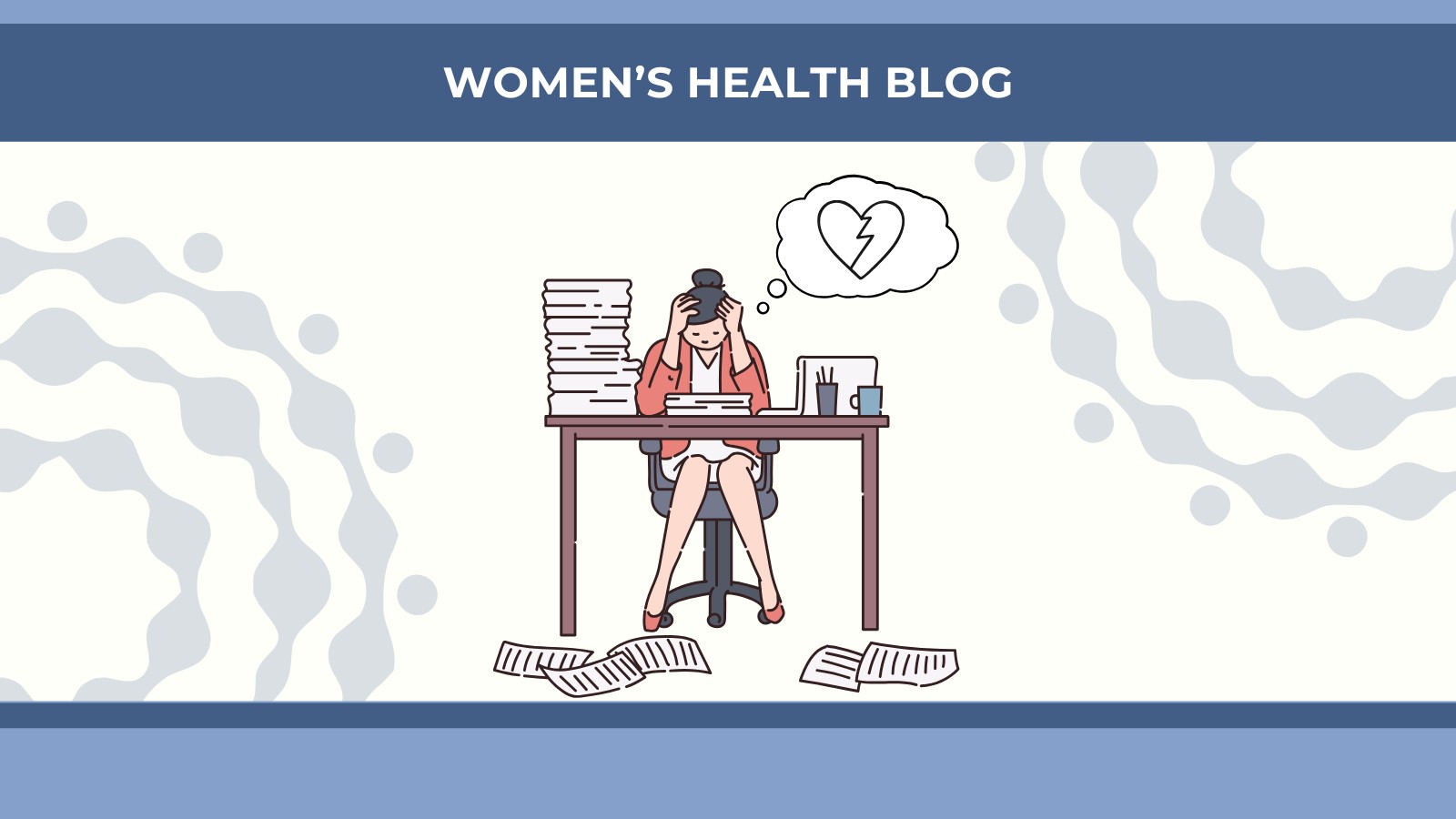
The death of a child, or the inability to conceive, is a uniquely devastating loss that often collides directly with professional life. New research from the University of British Columbia highlights how deeply this collision impacts working mothers, revealing a systemic failure to acknowledge and support grief within workplace structures. While family and work are often treated as separate spheres, loss shatters this division, forcing women to navigate profound emotional pain alongside demanding organizational expectations.
The Invisible Grief: Minimization and Silence in the Workplace
The study, based on interviews with women who experienced loss before, during, or after pregnancy, found a pervasive pattern of silencing and minimization. Many workplaces communicate—explicitly or implicitly—that grief must be private, contained, and “resolved” quickly. This expectation ignores the natural human response to loss and forces women to suppress their pain rather than process it.
As one participant, Sarah, 36, described, loss fundamentally alters a woman’s identity: “It just chips away at parts of you and so when you look back, it changes who you are.” This shift, coupled with inadequate workplace support, creates a disconnect between a woman’s pre-loss and post-loss self, leaving her feeling alienated from her job and colleagues.
Bureaucratic Barriers to Basic Support
The issue isn’t just emotional neglect; it’s also procedural. Women often face insurmountable barriers when seeking support. Access to medical leave is frequently conditional on a formal depression or anxiety diagnosis—meaning women grieving a loss must be pathologized in order to receive basic accommodation. Mary, 32, who lost her twin babies, recounted the absurdity: “Your doctor didn’t put in a diagnosis, but we need a diagnosis… Like this is normal. Feeling deeply sad is a normal response to what I went through.”
This bureaucratic cruelty highlights a larger issue: grief is treated as an inconvenience rather than a legitimate human experience. The hoops women must jump through—medical forms, legislative loopholes—reinforce the idea that their loss is either unreal or unworthy of recognition.
Long-Term Consequences for Women’s Careers
Returning to work after loss is often fraught with difficult choices. Women must decide whether to disclose their pain (risking judgment or isolation) or remain silent (further deepening their emotional burden). Some reported being forced to relive their trauma in order to secure accommodations, while others had their work hours reduced or were removed from projects for seeking support.
The study found lasting impacts on career trajectories, including missed opportunities, reduced productivity, and diminished connection to employment. This translates into real economic instability for women, undermining their financial security and overall well-being. The consequences extend beyond individual suffering; they represent a systemic failure to protect the workforce’s most vulnerable members.
Policy Changes Are Critical
The findings are clear: supporting grieving women requires more than empathy. It demands fundamental changes in labor and workplace policies. Accessible, effective support structures must be implemented, including extended parental leave, benefits that recognize loss regardless of gestational age, and workplace cultures that prioritize mental health.
Ignoring grief doesn’t make it disappear; it simply prolongs the suffering and undermines women’s ability to thrive. Creating safe spaces for mourning is not optional—it’s essential for protecting the well-being of employees, preserving their employment, and building more humane workplaces.