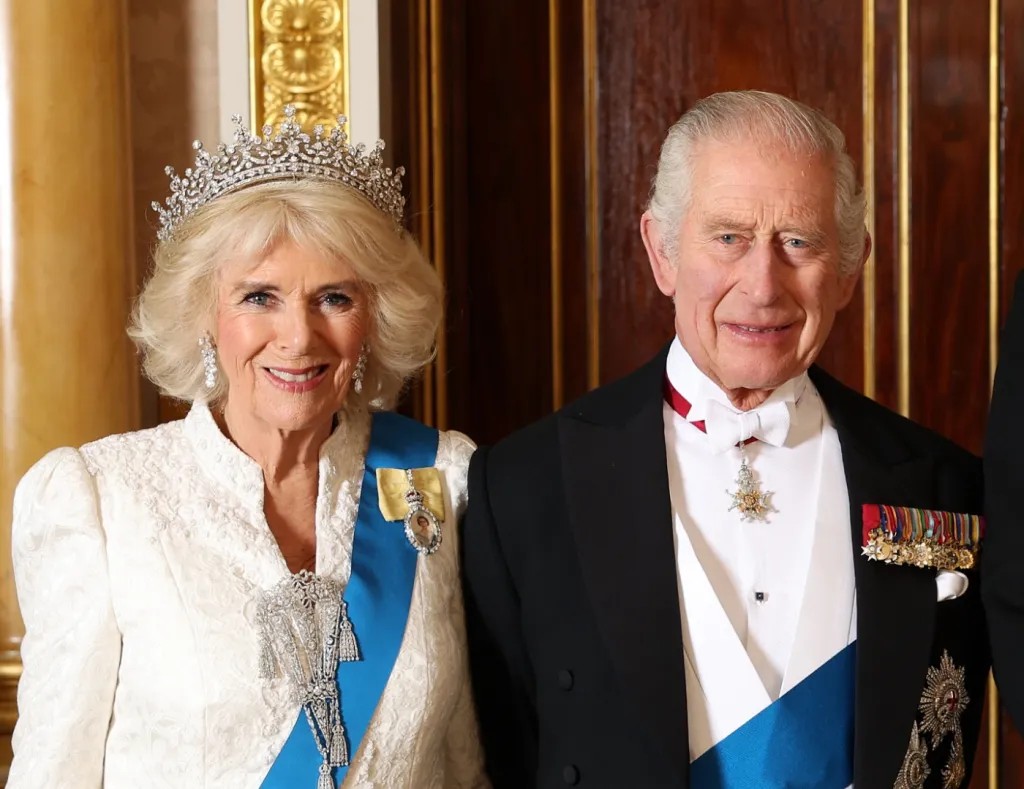
King Charles III and Queen Camilla are scheduled to depart for the United States on Monday, April 27, for a high-profile state visit with President Donald Trump. While the official purpose of the tour is to commemorate the 250th anniversary of the United States, the trip is unfolding against a backdrop of geopolitical tension and internal royal scrutiny.
A Diplomatic Tightrope
The visit is being characterized by observers as a “high-stakes” mission. The UK government is reportedly banking on the King’s ability to navigate complex diplomatic waters—a quality some have described as his reputation as a “Trump whisperer”—to help ease current political tensions.
However, the timing has raised significant concerns among royalists and former insiders:
– Geopolitical Instability: Ongoing tensions in Iran have led some to question whether a celebratory state visit is appropriate given the global climate.
– Internal Royal Pressures: The King is managing this mission while simultaneously dealing with the lingering fallout from Prince Andrew’s controversies, which continue to shadow the monarchy.
– Security Concerns: Following a recent shooting incident at the White House Correspondents’ Dinner on April 25, security is a primary focus. President Trump has issued assurances that the King and Queen will be “very safe” during their four-day stay.
The Legacy of Diplomacy: Past vs. Present
The relationship between the British Monarchy and the U.S. Presidency has historically been a cornerstone of the “Special Relationship.” President Trump has frequently praised the late Queen Elizabeth II, noting her “tremendous legacy of peace and prosperity” and her role in securing global alliances.
Yet, historical accounts suggest the relationship between the late Queen and Donald Trump may have been more complicated than public statements imply.
* The Contradiction: While Trump has claimed the late Queen viewed him as a “favorite president,” biographical accounts, such as those in Craig Brown’s Q: A Voyage Around the Queen, suggest she found his demeanor “rude” and lacking in traditional diplomatic decorum.
Why This Visit Matters
This trip is more than a mere ceremonial tour; it is a test of soft power. For King Charles, it represents his most significant diplomatic mission to date. For the U.K. and U.S. governments, the success of this visit could signal the strength of the transatlantic alliance during a period of global volatility. Conversely, any diplomatic misstep could exacerbate existing political risks for both the monarchy and international relations.
The mission serves as a critical litmus test for King Charles’ ability to maintain the prestige of the Crown while navigating the unpredictable landscape of modern global politics.
Conclusion
King Charles III’s visit to the United States is a pivotal moment for the monarchy, balancing celebratory diplomacy with significant geopolitical and internal risks. The outcome will likely reflect the evolving strength of the U.K.-U.S. relationship in an increasingly unstable world.