Your gut controls more than just digestion.
It affects your mood.
It influences your immune system.
It might even change your risk for chronic disease.
So obviously you pay attention to what you eat.
But what about when you eat it? Specifically, in what order?
You might think it’s pointless. Everything mixes together in the stomach anyway, right?
Four gastroenterologists disagree. They gave us the same exact blueprint.
It’s less about magic and more about mechanics.
And honestly, it’s not hard.
First: The Rough Stuff
Eat the fiber.
Do it first.
Dr. Asma Khapra from Gastro Health points out that while specific research on “food order” is limited, the importance of fiber isn’t. Most Americans don’t get nearly enough. If you save it for last, you often don’t finish it because you’re too full.
“Fiber is the cornerstone of gut microbiome nutrition.”
— Dr. Zarema Singsoson, gastroenterologist
Why? Fiber feeds good bacteria. These microbes ferment fiber into short-chain fatty acids. Those acids strengthen the intestinal barrier. It’s basic biology.
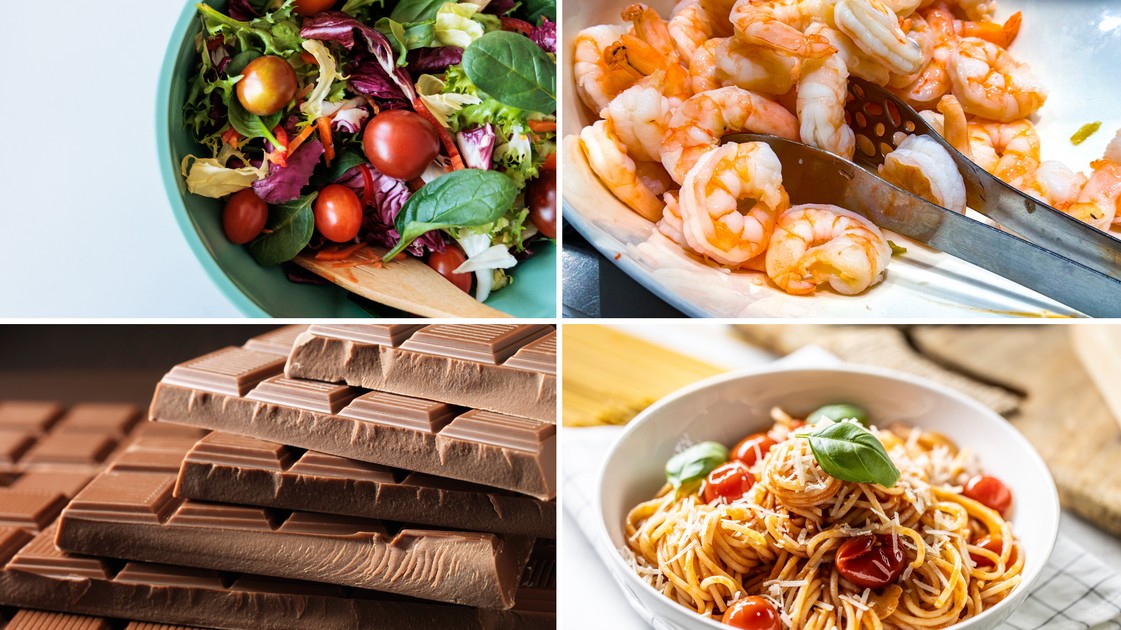
Think about it. Salad is always served first in a nice meal. Why? To get the roughage in before the heavy stuff.
Dr. Scott Lippe explains that this order prevents sugar spikes. You don’t get the post-meal crash. Unstable blood sugar causes inflammation. It kills off good bacteria. You don’t want that.
Plus, fiber-rich foods are loaded with polyphenols. Powerful antioxidants. They protect against chronic inflammation.
Dr. Neelima Reddy adds an Ayurvedic perspective here. Traditional Indian medicine says to eat the hardest-to-digest items first. Raw veggies. High-fiber foods. It optimizes digestion. It keeps you full longer.
Makes sense.
Second: Protein and Healthy Fats
Next on the list is protein and good fats.
We’re talking plant proteins. Seafood. Meat. Eggs. Dairy. Olive oil. Nuts.
Dr. Singsoson notes that unsaturated fats actually strengthen the gut lining. Protein helps repair the small intestine. Both of them slow down how fast food leaves your stomach.
That’s a good thing. It keeps blood sugar steady. Less inflammation.
Dr. Reddy agrees. After raw veggies, protein and fats are the hardest to break down. So they should logically follow.
It’s efficient.
Third: The Simple Carbs
Complex carbs like whole grains already got counted in the fiber bucket.
But simple carbs? White bread. Pasta. Pastries.
Eat these third.
Dr. Khapra explains that eating bread first causes blood sugar spikes. Bad for the gut. Worse for the mood. These carbs aren’t nearly as beneficial as the earlier foods. Don’t fill up on them.
Dr. Reddy adds that simple carbs are easier to digest than fiber or protein. So according to Ayurveda, they naturally come after the heavier stuff.
Last: Fried Food and Sweets
Save the ultra-processed stuff for last.
Fried chicken? Later.
Cake? Later.
These foods decrease good bacteria. They cause inflammation.
“Ultra-processed foods are associated with gut imbalance, increased intestinal permeability, and chronic low-grade inflammation.”
— Dr. Singsoson
Dr. Lippe notes that dessert is traditionally the last course. It’s the least nutritious. If you’ve already eaten the veggies and protein, your gut doesn’t suffer as much from the sugar.
There’s a twist though.
Dr. Reddy admits this step breaks Ayurvedic rules. Traditionally, sweets are eaten first because they can be hard to digest.
But if you wait?
It might cause bloating.
So listen to your body. If having dessert first feels better, do it. Just don’t let it crowd out the nutrients.
This isn’t about strict dogma.
You still enjoy your fries.
You still take that roll from the basket.
But if you want a better gut? Try this sequence most of the time.
See if it helps.
What feels best to you?