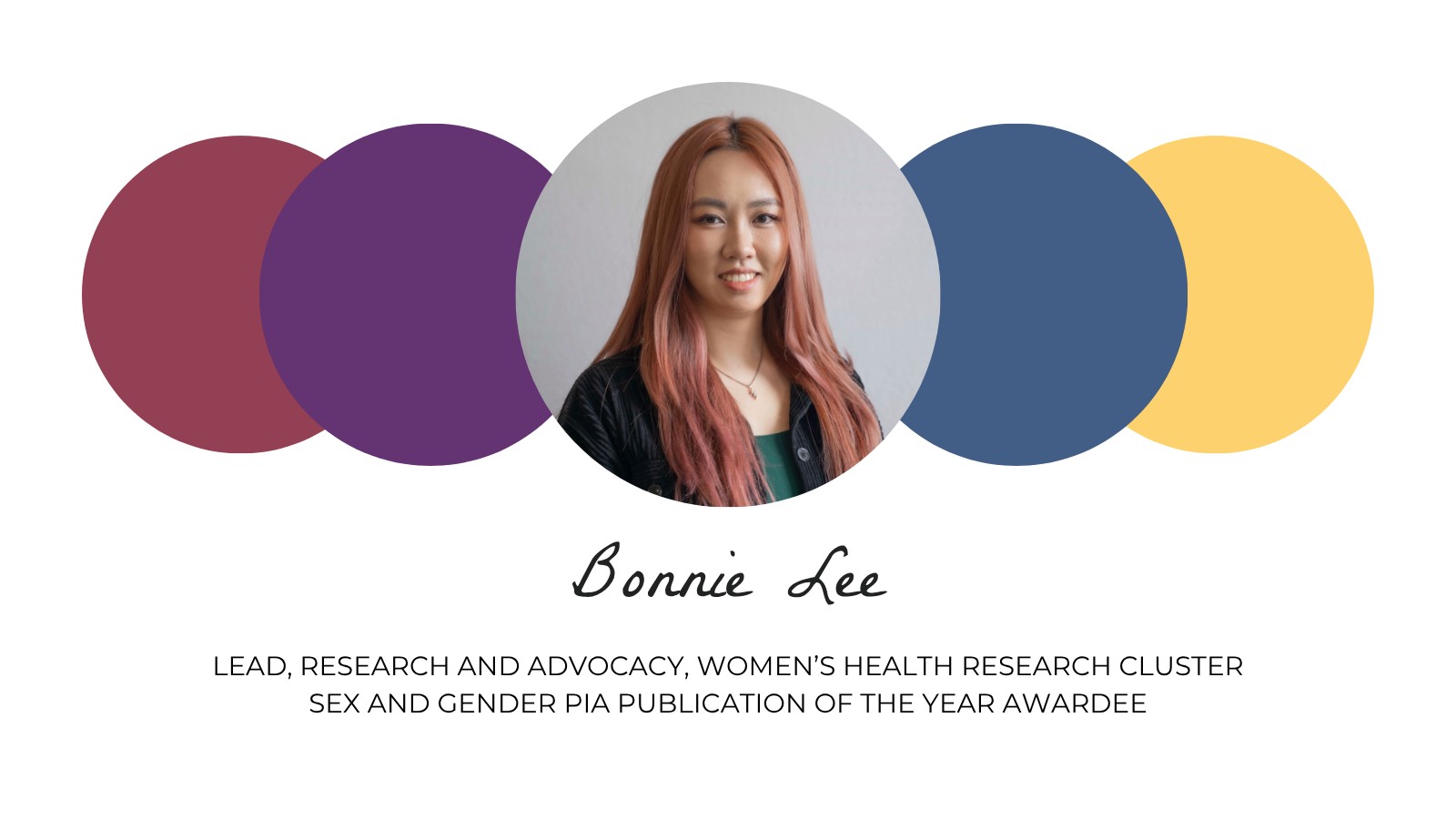
The field of neurodegenerative research is undergoing a critical shift, moving away from a “one-size-fits-all” approach toward a more nuanced understanding of how biological sex and gender influence brain health. At the forefront of this movement is Dr. Bonnie Lee, a researcher whose work is uncovering why women often face a disproportionate burden of Alzheimer’s disease.
Decoding the Biological Divide
A central focus of Dr. Lee’s research is the intersection of genetics and female biology. While Alzheimer’s affects all genders, women are statistically more vulnerable to the disease. Dr. Lee investigates how high-risk genetic markers—specifically the APOE4 allele —interact with female-specific physiological milestones, such as pregnancy and menopause.
Her research seeks to answer how these life stages impact:
– Neuroplasticity: The brain’s ability to adapt and change.
– Neuroinflammation: The immune response within the brain that can accelerate decay.
– Cognitive Function: The overall mental processes that may decline differently in women due to hormonal shifts.
By utilizing animal models, Dr. Lee is working to map these complex interactions, providing a clearer picture of how disease risk evolves during midlife.
The “Parity Paradox” and Scientific Recognition
Dr. Lee’s expertise has already earned significant academic distinction. She was notably awarded the Sex and Gender PIA Publication of the Year Award for her groundbreaking research into the “parity paradox.”
This concept explores a critical nuance in medical science: how certain genetic factors, like the APOE4 genotype, manifest differently in terms of inflammation and brain plasticity during middle age. Understanding these distinctions is vital because medical treatments that work for men may not be equally effective—or even safe—for women if they do not account for these sex-specific biological responses.
Advocacy and Systemic Change
Beyond the laboratory, Dr. Lee is a driving force in changing how health research is conducted on a systemic level. As the Lead of Research and Advocacy at the Women’s Health Research Cluster and a Postdoctoral Fellow at the Centre for Addiction and Mental Health (CAMH), she works to ensure that sex and gender are not mere afterthoughts in clinical studies.
Through her leadership roles with the Canadian Institutes of Health Research (CIHR), she champions Sex- and Gender-Based Analysis Plus (SGBA+). This framework ensures that researchers:
1. Include diverse biological and social variables in their study designs.
2. Utilize educational programming to train the next generation of scientists.
3. Foster mentorship to support emerging researchers in the field of women’s health.
Dr. Lee’s work represents a crucial move toward precision medicine, where treatments are tailored to the specific biological realities of the individual.
Conclusion
By combining rigorous genetic research with high-level policy advocacy, Dr. Bonnie Lee is helping to dismantle the gender bias in medical science. Her efforts are paving the way for more effective, sex-specific interventions for Alzheimer’s and other neurodegenerative diseases.