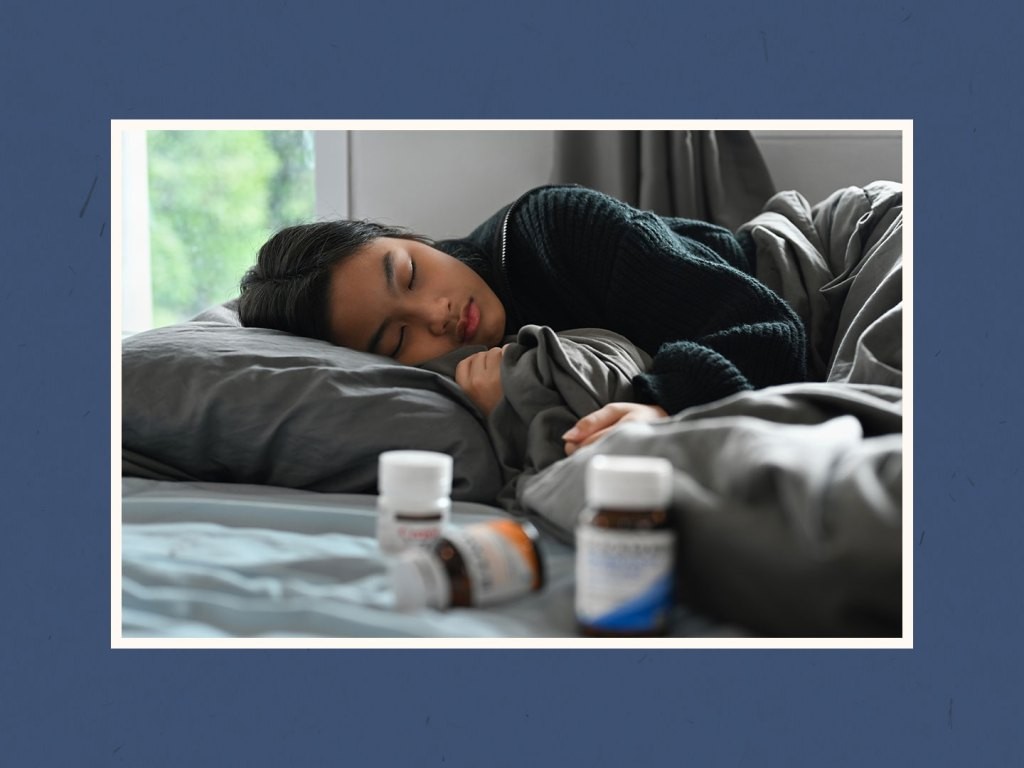
When most people hear the word “meningitis,” they think of infants. It is a common misconception that the disease primarily affects newborns. While babies under one year old are indeed the most vulnerable group, teenagers and young adults represent a critical second peak in risk, accounting for 21% of all cases according to the National Meningitis Association.
This demographic vulnerability is often overlooked by both parents and healthcare providers. The stakes are incredibly high: bacterial meningitis is a rare but rapidly progressing, life-threatening condition. For many families, the realization comes too late. Patti Wukovits, a registered nurse and co-executive director of the American Society for Meningitis Prevention, lost her 17-year-old daughter, Kimberly, to bacterial meningitis despite her medical background.
“I knew the symptoms, the progression, and the urgency. And it still happened to me and my daughter. This is a deadly, unpredictable disease.” — Patti Wukovits
Understanding why teenagers are uniquely susceptible—and how to effectively protect them—is essential for public health and family safety.
What Is Meningitis?
Meningitis is an inflammation of the protective membranes (meninges) covering the brain and spinal cord. It occurs when pathogenic microorganisms enter these spaces, typically via the bloodstream or through adjacent infections like sinusitis or otitis media.
While the term covers a range of conditions, the severity depends entirely on the cause:
- Viral Meningitis: The most common form. It is generally milder, often resolves without hospitalization, and rarely leads to severe complications.
- Bacterial Meningitis: Far less common but significantly more dangerous. It can be fatal or cause permanent disabilities (such as hearing loss, brain damage, or limb amputation) within hours of symptom onset.
Why Are Teens So Vulnerable?
The risk profile for bacterial meningitis follows a distinct U-shaped curve across the lifespan. Risk is highest in infants, drops significantly during childhood, spikes again during the teenage and young adult years (ages 16–23), and rises once more in older adults (70s and 80s).
Experts point to a combination of behavioral and biological factors driving this teenage surge:
1. Social Behavior and Close Contact
The bacteria responsible for meningococcal disease spread through respiratory droplets and close personal contact. Teenage social dynamics create ideal conditions for transmission.
* Congregation: Teens spend significant time in crowded, enclosed spaces such as classrooms, dormitories, locker rooms, and concert venues.
* Shared Items: Common habits like sharing water bottles, food, lip balm, vaping devices, and utensils facilitate the spread of bacteria from the nasopharynx (upper throat) to others.
2. Biological Susceptibility
Recent research suggests a biological component beyond just behavior. A study in Molecular Microbiology indicates that the teenage microbiome may produce higher levels of propionic acid, a short-chain fatty acid that encourages the growth of meningococcal bacteria.
3. The “Carrier” State
Not everyone exposed to the bacteria becomes ill. The bacteria often reside harmlessly in the back of the throat (nasopharynx). However, in some individuals, the bacteria escape this sanctuary, invade the tissue, and enter the central nervous system. Why this invasion occurs in some people and not others remains unclear, making prevention even more critical.
Disparities in Risk
While age is a primary factor, race and ethnicity also play a role. A 2025 study in The Lancet Regional Health found that American Indian/Alaska Native and Black populations are at higher risk for developing meningitis. This disparity may be linked to underlying health conditions or socioeconomic factors that increase vulnerability, highlighting the need for targeted public health strategies.
Four Strategies to Protect Teens
Because bacterial meningitis progresses rapidly, prevention is the only reliable defense. Experts recommend a four-pronged approach: vaccination, hygiene, symptom recognition, and post-exposure action.
1. Ensure Complete Vaccination
Vaccination is the single most effective tool against bacterial meningitis. Between 1998 and 2007, vaccine introduction reduced bacterial meningitis cases by approximately 31%. However, cases have risen since 2021, disproportionately affecting adults who were not adequately vaccinated in their youth.
- MenACWY Vaccine: The CDC recommends this for all preteens at 11 or 12 years old, with a booster dose at 16 years old. It protects against four serogroups (A, C, W, and Y) commonly associated with teen outbreaks.
- MenB Vaccine: This protects against serogroup B, which was not covered by the original vaccines. While currently recommended only for high-risk groups, many experts advise discussing it with pediatricians for all teens.
- Note: Patti Wukovits emphasizes that her daughter was vaccinated against A, C, W, and Y, but died from serogroup B. “I was under the false impression that she was fully protected,” she says. Parents should verify coverage for both MenACWY and MenB.
2. Recognize the Red Flags
Time is critical. Bacterial meningitis can deteriorate in hours. Seek immediate medical attention if a teen exhibits:
* Severe headache accompanied by a fever over 101°F (38.3°C).
* Stiff neck (inability to touch chin to chest).
* Confusion or difficulty waking up.
* Light sensitivity (photophobia).
* A rash that does not fade under pressure: Press a clear glass against the rash. If it remains visible, it is a medical emergency requiring an immediate trip to the ER. Note: Not all patients develop this rash, so do not wait for it to appear.
3. Practice Hygiene Discipline
Reduce transmission risks by educating teens on basic hygiene in social settings:
* Do not share drinks, utensils, lip products, or vaping devices.
* Wash hands frequently, especially after being in crowded public spaces.
4. Act Quickly After Exposure
If a teen has been in close contact with someone diagnosed with bacterial meningitis, they should see a doctor immediately. Healthcare providers may prescribe prophylactic antibiotics (preventive treatment), which can effectively eliminate the bacteria from the throat before it causes disease.
Conclusion
Meningitis remains a silent threat to teenagers, often underestimated due to its rarity and the misconception that it is solely an infant disease. While lifestyle factors and biological changes make teens uniquely vulnerable, the risk is largely manageable through up-to-date vaccination against both MenACWY and MenB serogroups. By recognizing symptoms early and maintaining strict hygiene, parents and healthcare providers can prevent tragedy and ensure that this deadly disease remains an exception rather than a norm.