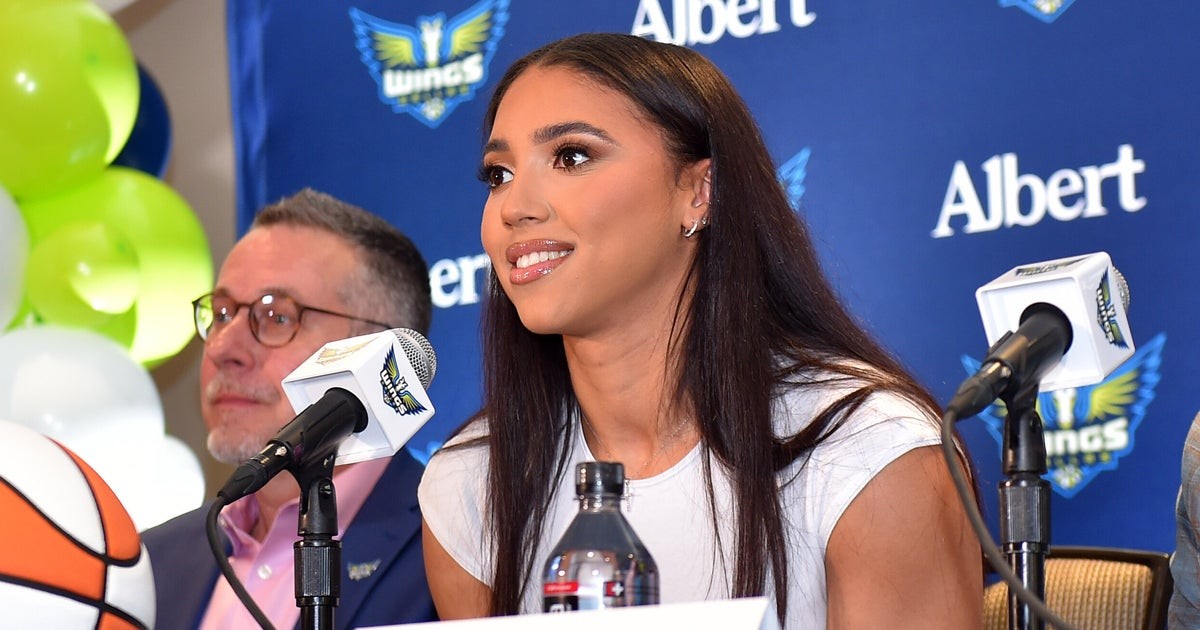
A recent press conference involving the Dallas Wings has ignited a debate regarding the boundaries between professional sports reporting and the personal privacy of female athletes. The tension arose when a reporter attempted to ask Azzi Fudd, the No. 1 overall pick in the WNBA draft, about her relationship with teammate Paige Bueckers.
The Incident at the Press Conference
During a media gathering on Thursday, a reporter posed a question regarding the romantic relationship between Fudd and Bueckers—a connection the two established while playing together at the University of Connecticut. The reporter specifically asked if the couple had discussed how they would navigate being professional teammates.
The question was immediately intercepted by Dallas Wings communications officer Pam Flenke, who declined to answer.
“I understand why you have to ask that question,” Flenke stated. “But we are going to respectfully decline from commenting on a player’s personal life.”
The Core of the Debate: Why This Matters
While teams often seek to protect players from intrusive personal questions, this incident has raised significant questions about journalistic standards and gender double standards in sports media.
The controversy centers on three main points:
- The “Story” vs. The “Person”: Some analysts argue that the relationship is not merely “gossip” but a central component of the team’s new dynamic. Since Fudd and Bueckers will form the team’s starting backcourt, their personal connection could influence team chemistry, communication, and professional dynamics.
- Media Silence: Observers have noted a curious trend where major draft coverage has largely omitted the relationship entirely. This has led to accusations that the WNBA or individual teams may be actively discouraging reporters from covering the storyline.
- The Double Standard: Critics, including Dallas Morning News reporter Kevin Sherrington, argue that the media frequently reports on the romantic lives of male athletes (such as Dak Prescott or Dirk Nowitzki) when those lives intersect with their professional status. The argument is that if male athletes’ personal lives are deemed “newsworthy,” female athletes should be afforded the same journalistic scrutiny.
Context: A New Era for the WNBA
This friction occurs at a pivotal moment for the WNBA, as the league experiences unprecedented growth in popularity and media attention. As the spotlight intensifies, the league faces a delicate balancing act: protecting the privacy of its players while managing the expectations of a media landscape that is increasingly interested in the “human” side of the game.
The question remains whether a player’s relationship status is a private matter or a relevant factor in how a professional sports franchise is built and managed.
Conclusion: The clash between the Dallas Wings’ communications team and the media highlights a growing tension over whether the personal lives of WNBA players should be treated with the same journalistic transparency as their male counterparts.