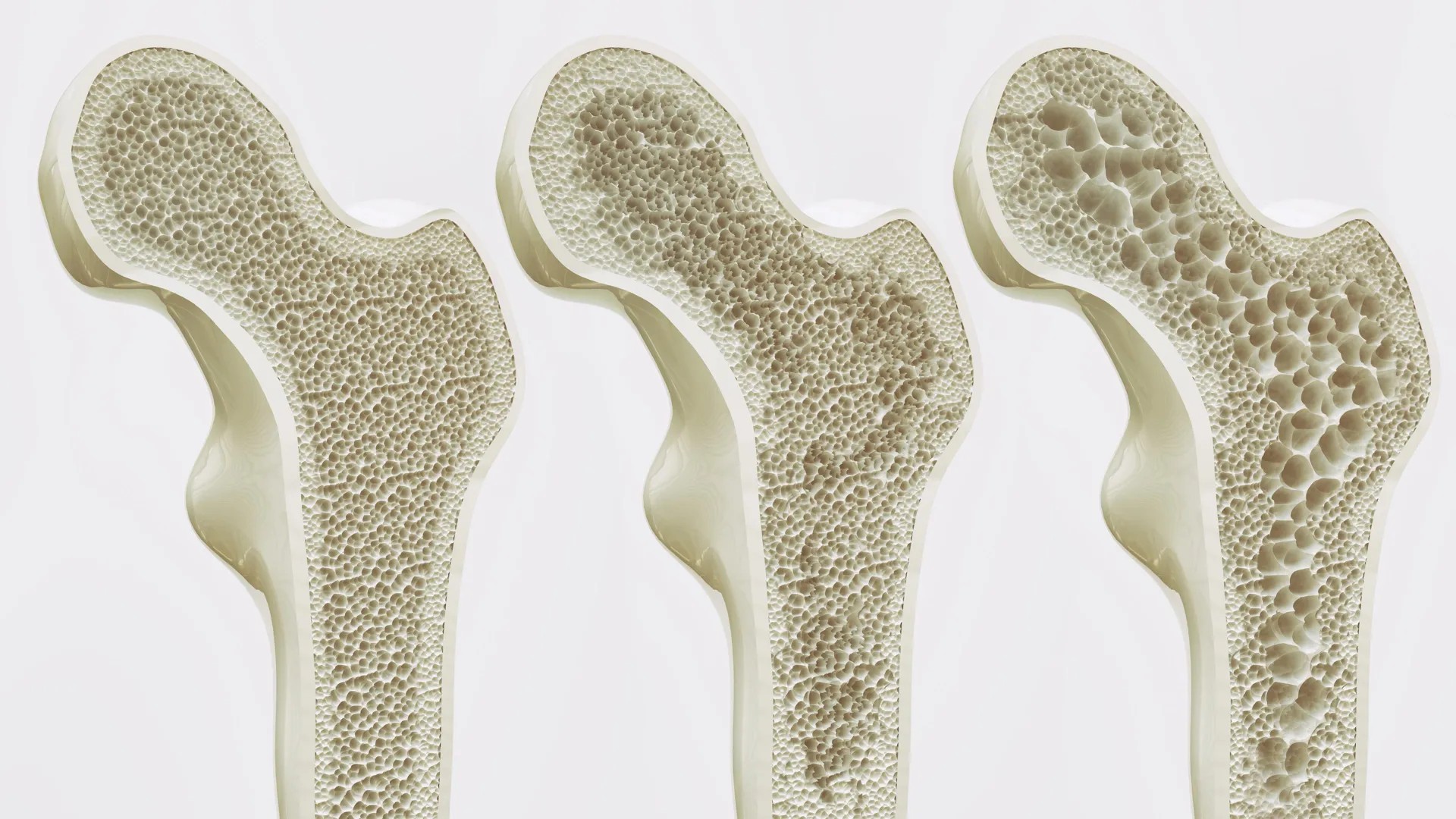
Scientists have identified a promising new biological pathway that could fundamentally change how we treat bone loss and osteoporosis. By targeting a specific receptor in the body, researchers may soon be able to not only slow down bone degradation but actively promote the rebuilding of bone density.
The Discovery of GPR133
A recent study from Leipzig University has pinpointed a specific receptor called GPR133 as a master regulator of bone strength. This receptor belongs to a complex family known as adhesion G protein-coupled receptors (GPCRs), which act as cellular “antennas” that receive and transmit vital biological signals.
While GPCRs are a major focus in modern pharmacology, the specific role of GPR133 in skeletal health has remained largely unexplored until now. The research suggests that this receptor is a critical switch in the body’s ability to maintain structural integrity.
Restoring the Biological Balance
To understand why this matters, it is essential to look at how bone functions. Bone is not a static material; it is a living tissue in a constant state of renewal governed by two competing processes:
– Osteoblasts: Cells that build new bone tissue.
– Osteoclasts: Cells that break down and remove old bone.
In a healthy body, these two processes exist in a delicate equilibrium. However, in conditions like osteoporosis, the balance shifts: bone breakdown outpaces bone formation, leading to porous, fragile skeletons.
The study found that GPR133 helps maintain this equilibrium. When activated—either by physical movement or by signals from neighboring cells—the receptor triggers a signal that boosts osteoblast activity while simultaneously inhibiting osteoclasts.
From Computer Modeling to Medical Potential
Using advanced computer-assisted screening, researchers identified a compound called AP503, which acts as a stimulator for the GPR133 receptor. In animal models, the results were significant:
– Mice with genetic deficiencies in GPR133 developed early-onset bone loss similar to human osteoporosis.
– When treated with AP503, both healthy and osteoporotic mice showed a marked increase in bone strength.
“Using the substance AP503… we were able to significantly increase bone strength in both healthy and osteoporotic mice,” explains Professor Ines Liebscher, lead investigator at the Rudolf Schönheimer Institute of Biochemistry.
A Dual Benefit for Aging Populations
The implications of this discovery extend beyond just bone density. The research team previously discovered that activating GPR133 also improves skeletal muscle strength.
For an aging population, this “dual-action” potential is a potential game-changer. The combination of stronger bones and stronger muscles is the most effective way to prevent falls and fractures, which are primary drivers of loss of independence and mortality in older adults.
Why This Matters for the Future of Medicine
Osteoporosis is frequently referred to as a “silent disease” because bone loss often occurs without any physical symptoms until a fracture actually happens. Current treatments often focus on slowing the rate of loss, but they rarely focus on active regeneration.
The identification of the GPR133 pathway shifts the medical paradigm from damage control to active reconstruction. While further research is required to ensure the safety and efficacy of AP503 in humans, this discovery provides a clear roadmap for a new generation of therapies designed to keep the human frame strong throughout a lifetime.
Conclusion: By targeting the GPR133 receptor, scientists have found a way to potentially stimulate bone regrowth and muscle strength simultaneously, offering a powerful new tool to combat osteoporosis and age-related frailty.