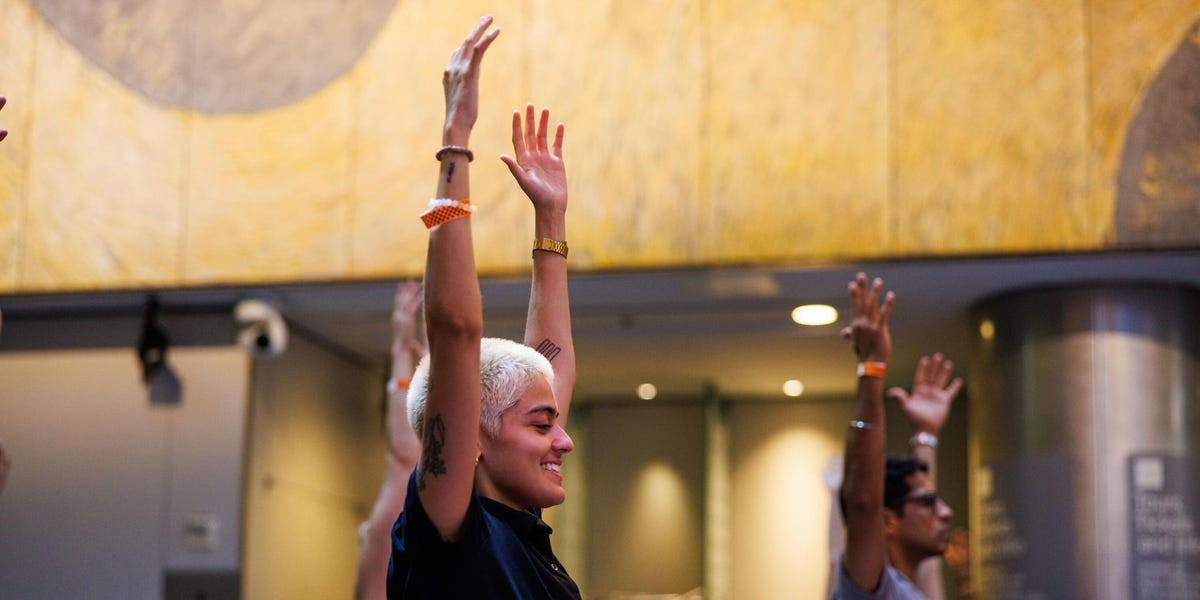
Engaging with art—whether through music, painting, dance, or other creative outlets—isn’t just enjoyable; it demonstrably boosts mental and physical health. The connection between artistic expression and wellbeing is increasingly supported by neuroscientific evidence, challenging the conventional focus on diet and exercise alone. This is why Women’s Health and Men’s Health are partnering with Lincoln Center for the Performing Arts to host the inaugural Heartbeat Summit on February 21, 2026.
How Art Rewires Your Brain and Body
Artistic activity activates complex neural networks responsible for attention, emotional control, memory, motor skills, and self-awareness. Dr. AZA Allsop, a neuroscientist and psychiatrist, explains that creative engagement shifts the autonomic nervous system, reducing stress responses and increasing relaxation. The exact mechanisms are still being studied, but preliminary findings suggest that consistent creative practice can lower stress hormones and improve emotional stability.
Music is particularly potent, stimulating multiple brain regions simultaneously. It engages the auditory cortex, emotional centers, memory formation areas, motor control regions, and dopamine pathways. Melodies and harmonies impact mood, while rhythm synchronizes with physiological processes like heart rate and breathing. This explains why music can swiftly alter emotions, focus, and alertness.
The Heartbeat Summit: Bridging Art and Wellbeing
The Heartbeat Summit in New York City (February 21, 1–5 p.m.) will showcase this intersection of art and science. The event features interactive sessions led by experts, including a chair Pilates class with Kerry Shea (School of American Ballet), a discussion on music’s role in community building with DJ Gia Fu and Dr. Elizabeth Margulis, and a drumming workshop led by Omny Taiko.
Dr. Allsop will connect the artistic activities to their neurological effects, emphasizing that the responses to music and creative environments are measurable biological processes, not simply subjective feelings. The aim is to empower attendees with the knowledge to use art as a conscious tool for wellbeing.
Why This Matters
In an increasingly isolating world, recognizing the arts as essential for health is critical. Shanta Thake, Chief Artistic Officer for Lincoln Center, argues that events like the Heartbeat Summit provide tools for people to advocate for the arts as a vital component of a healthy life. Art isn’t a luxury; it’s a fundamental human need with clear, biological benefits.
The summit is a step towards integrating creative practices into mainstream health conversations, acknowledging that a holistic approach to wellbeing must include the transformative power of art.